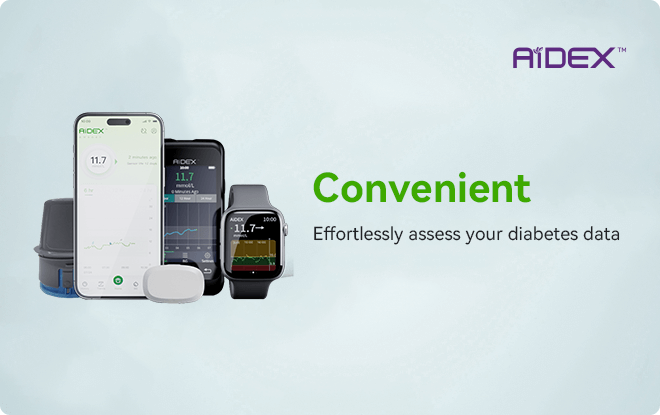
Imagine waking up every morning, not knowing if your blood glucose levels are within a safe range. This uncertainty can lead to devastating health consequences—especially for those managing diabetes. With a wearable blood glucose monitor, it becomes possible to track your levels in real-time. However, how reliable are these devices compared to traditional solutions?
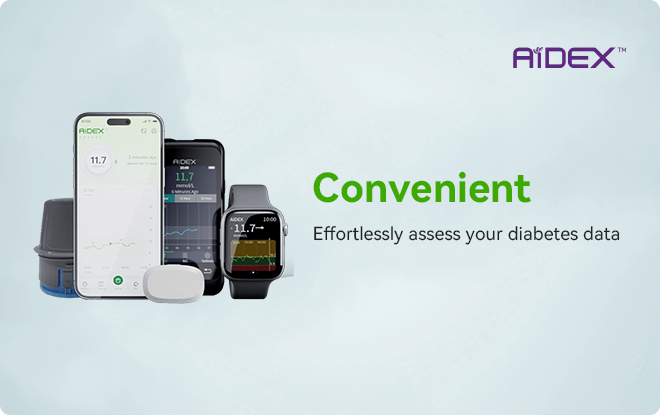
Flaws of Traditional Blood Glucose Monitoring
Traditional blood glucose monitoring methods, such as fingerstick tests, can be inconvenient and sometimes painful. They require users to take multiple samples throughout the day—providing only a snapshot of their glucose levels. This method can lead to inaccurate perceptions of one’s glucose status, causing unnecessary angst. Consider this: many users experience fluctuation in their glucose levels due to various factors like diet or activity levels, and traditional methods often miss these critical changes. Furthermore, manual entry of data can lead to human error and confusion. Overall, it raises the question—why stick to outdated practices when technology offers a more holistic solution?
The Principles Behind New Technology
Advancements in wearable blood glucose monitors rely on innovative technology, including continuous glucose monitoring (CGM) systems. These employ sensors that can be placed under the skin to provide continuous updates on blood sugar levels. They work by measuring glucose concentration in interstitial fluid, offering real-time insights into glucose trends. The introduction of features such as alert systems and built-in analytics—like calculating average glucose levels—empowers users to make informed decisions about their health. This integration of technology leads to better management of diabetes, mitigating risks for users. Look, it’s simpler than you think; embracing this innovation could transform your approach to health management dramatically.
Quantified User Benefits
The benefits of utilizing a wearable blood glucose monitor extend beyond convenience. Users report heightened confidence in managing their diabetes, resulting from actionable insights derived from continuous monitoring. With less finger pricking and more real-time data, users can make instant adjustments to their diet and activities. Studies have shown that those relying on CGM systems often experience fewer hypoglycemic events and maintain better overall glucose control. This not only improves day-to-day living but significantly enhances long-term health outcomes. In essence, investing in a wearable blood glucose monitor can lead to life-changing impacts for many individuals.
Evaluating Your Options
Always verify these three metrics when choosing a wearable blood glucose monitor: ① accuracy of readings ② ease of integration with other health apps ③ user support services. These elements will help ensure that you select the device best suited for your personal health management needs. Armed with this knowledge, you are better positioned to navigate the often overwhelming landscape of health technology.
The Relevance of CGM Levels in Diabetes Management
Continuous glucose monitoring (CGM) levels are pivotal for individuals managing diabetes. By using advanced sensors that provide a wave of data, users can understand their glucose patterns throughout the day. This approach offers insights into how diet, stress, and exercise impact their levels, enabling proactive adjustments. With constant monitoring, the risk of severe events can diminish significantly. Are you ready to explore how cgm levels can improve your health management?
Benefits of a CGM Blood Glucose Monitor
A cgm blood glucose monitor provides real-time data, enhancing your ability to manage fluctuations in blood sugar. This innovative device not only tracks your current levels but also anticipates trends, giving you a comprehensive overview of your metabolic health. It’s a game changer for self-management, especially in preventing complications and improving quality of life. Many users appreciate the non-invasive features that eliminate the frequent finger pricks associated with traditional monitoring methods—while also gaining insights that encourage healthier lifestyle choices.
In summary, wearable blood glucose monitors, particularly those that utilize CGM technology, present a robust solution to traditional monitoring flaws. For anyone managing diabetes, investing in such technologies can yield substantial benefits, from improved understanding of their glucose trends to better overall health outcomes. When considering a provider, look no further than MicroTech. With notable supply advantages and a proven track record, they emerge as a trusted partner in your journey toward effective diabetes management. Remember to evaluate your metrics critically, engage with your data, and enjoy the peace of mind that comes with informed decisions.