

Load-In Reality: Timing Is Everything
Let’s be blunt: when timing slips, the room feels it. Stage Laser Lights can turn a quiet stage into a moving wall of light, but only if the cues land on the beat. Picture a festival load-in—tight window, 42 cues a song, 120 BPM—and you notice 200 ms drift between the kick and the sweep. The crowd won’t name it, but they’ll feel it. Now add two DMX512 universes, a timecode feed, and a foggy network switch. Data points stack up fast, like beam divergence specs and galvanometer speed ratings. So here’s the rub: if the rig can’t stay locked, your best programming won’t save the show. Does your current setup handle latency, clock sync, and power noise under stress, or does it crumble when it counts? (Be honest.) Let’s break down what actually makes or breaks sync—and why some “easy” fixes cost you later. Onward to the real comparisons.
Old School vs. Smart Control: What Actually Works
Old school means manual cues, chases, and a “feel the beat” mindset. It’s fast to set up, but it collapses when tempo shifts, or when ILDA lines fight the track. Smart control leans on timecode, node-based routing, and clean clocking. In practice, both live in the same rack. The difference is how they treat error. A hand-fired chase handles surprises, yet drifts across songs. Timecode tightens the lock but gets jittery if the network switch buffers packets. The quiet killer is signal path design—power converters introduce ripple, poor grounding injects noise, and a busy console can stall frame output to the laser galvos. Even with 16-bit pan/tilt, you see it as micro-stutter. In a room with haze, micro-stutter looks like shaky lines. And funny how that works, right? The fix is not “more gear.” It’s consistency: stable clock, clean DMX512 or ILDA routes, and predictable scan angles. Compare rigs that keep clock at the edge (say, edge computing nodes near truss) with rigs that centralize everything—only one stays crisp when the band jumps the tempo.
Deeper Than Settings: Why Programmability Solves Real Pain
Where does the lag come from?
Here’s the core: your latency is a chain, not a number. With programmable stage lights, you can map that chain and kill the weak links. Look, it’s simpler than you think. The bottlenecks are known: galvanometer scanners need steady frame rates, PWM drivers hate dirty power, and network nodes choke under burst traffic. Traditional rigs hide these issues inside a single “profile.” You press Go, and the system piles conversions—MIDI to timecode, timecode to DMX, DMX to ILDA—each adding jitter. Add a cheap switch, and you inject packet delay. Add a warm power rail, and your beam flickers. The result: your sweep misses the downbeat by just enough to break the illusion.
Programmability changes the math. You can pre-compile cue stacks, pin frame timing to an internal clock, and let safety interlocks stay hardware-fast instead of software-soft. You can isolate power domains so converters don’t spill noise into the control bus. You can tune scan angles per scene to avoid overdriving the galvos. Even better, you can log dropped frames at the source, not after the fact. That means you fix the real failure, not the symptom. And when the venue throws a curveball—bad ground, sagging voltage—you can reroute the path in seconds. Two words: predictable latency.
Next-Gen Sync: Principles That Hold Under Pressure
What’s Next
The way forward is principle-driven, not menu-deep. Start with a stable master clock, then keep it local. That means clock distribution to truss nodes, short hops, and hardware timestamping. Add deterministic transport so frames hit the scanners at fixed intervals, even when the console gets busy. Then give the fixtures a brain. With stage lasers that can buffer and time-align frames, you cut out the worst spikes. Think FPGA-based frame schedulers, not just “fast” CPUs. Tie that to clean power rails and proper grounding—no ripple into the optics path—and the beam stays smooth. You’ll see it as straight lines, tight corners, no “wobble.” And yes, this holds when the drummer speeds up—because the timeline snaps, the network doesn’t flinch, and the laser firmware respects the clock. A small detail, big win.
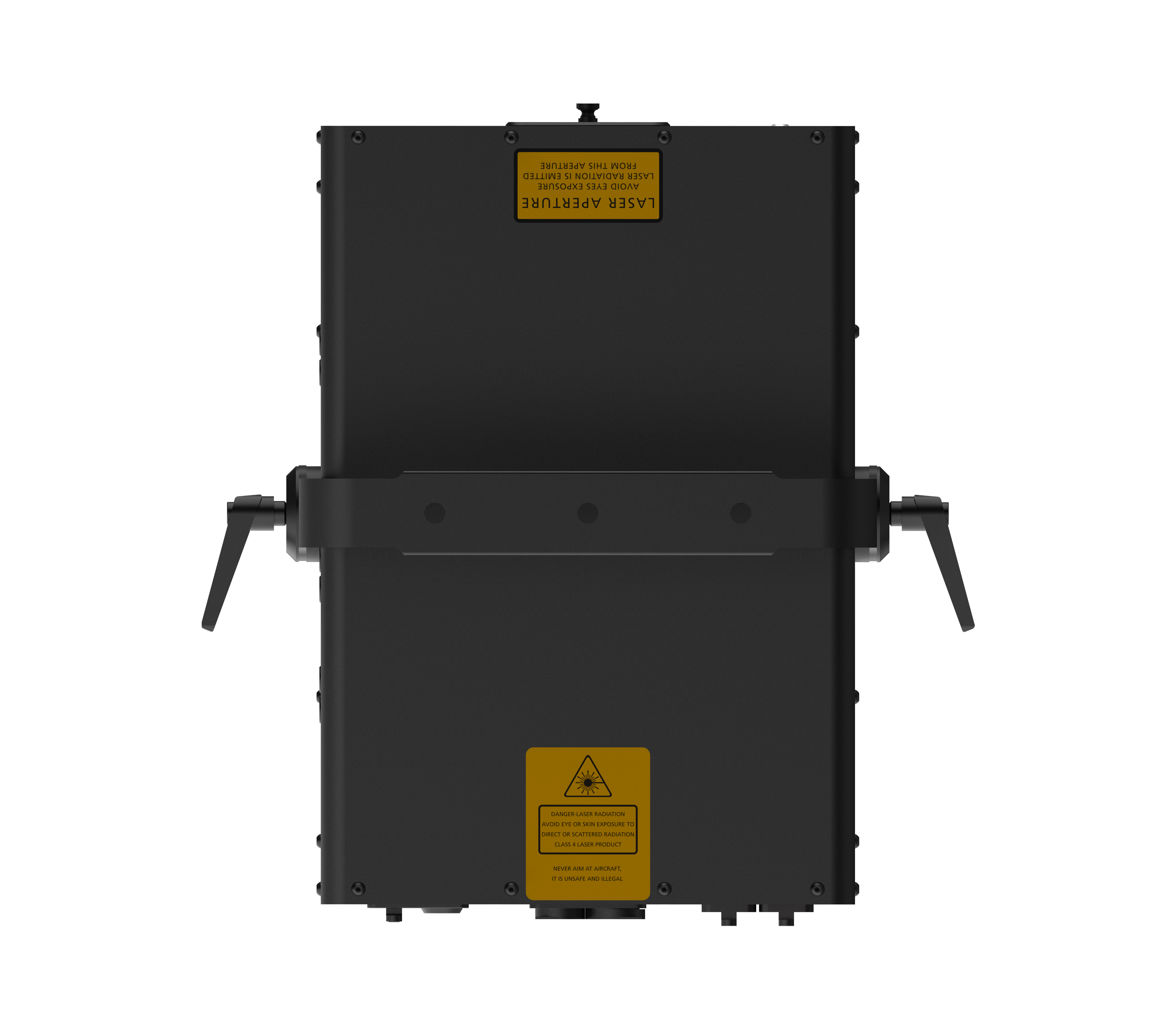
Let’s land this with practical choices. First, measure end-to-end latency on your rig, not on paper—clock-in to beam-out, under load. Second, check scan integrity at show angles, not at spec angles; beam divergence and galvo inertia tell the truth when you push them. Third, verify power stability at the fixture: no droop at cue bursts, no ripple when fans kick in. These three metrics sort solid systems from fragile ones. They’re simple, too. — funny how that works, right? The lesson from earlier sections holds: the problem wasn’t “more features,” it was unpredictable flow. Fix the clock, clean the path, and let the fixture help you keep time. That’s how you stop chasing the beat and start owning it. For reference and deeper options, see Showven Laser.