Start with what matters to you
You need clarity first — what outcome do you want from your fleet system? Many managers want lower fuel cost, fewer late deliveries, or simpler compliance reporting, lah. Begin by shortlisting reputable fleet telematics technology providers and then compare feature sets from specialist telematics solution providers so you know who matches your daily pain points. From working with operators across Southeast Asia I’ve seen the difference between a system that reports data and one that actually changes driver behaviour.
Focus on user needs (this is user-centric thinking)
Think about the people who will use the system: dispatchers, drivers, maintenance teams, and finance. Ask each group one simple question: what would make your job easier today? You’ll get honest answers — route visibility, easy in-cab alerts, or automated invoices. Prioritise features that remove repetitive work. Choose solutions that require minimal training for drivers; if drivers reject the tech, the project stalls.
Concrete selection criteria to test vendors
Use this checklist during demos. Make vendors show, don’t tell.
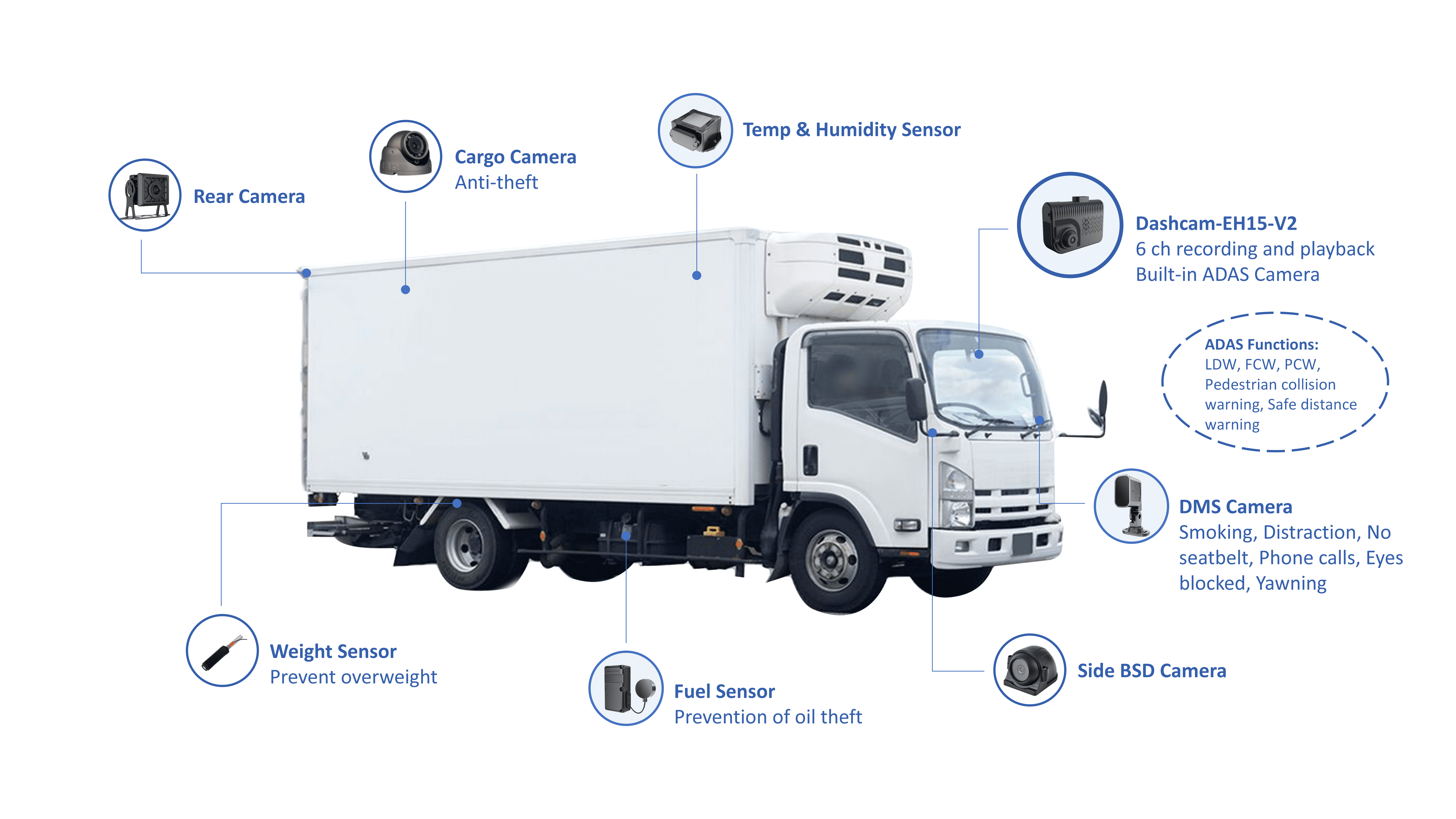
– Real-time location accuracy and update frequency — how often do they ping? – Data ownership and access — can you export raw logs? – API availability — will your TMS or ERP talk to the telematics? – Hardware flexibility — support for CAN-bus, OBD-II, or aftermarket trackers? – Driver interface — is the app simple and fast to use? – Maintenance features — automated service scheduling and fault codes. – Security and compliance — encryption, role-based access, regulatory reporting.
Integration, data flow, and implementation realities
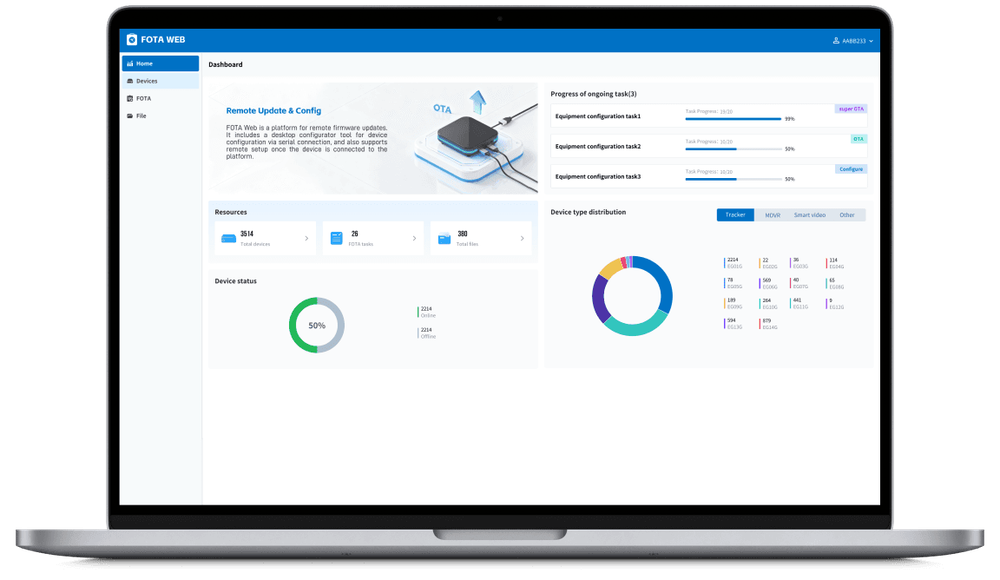
Don’t treat telematics as a standalone box. Plan data flow from device to dashboard to business process. Map who needs which data and at what cadence. Expect one integration sprint: telemetry → middleware → your systems. Insist on an API sandbox during procurement so your developers can test without waiting for full rollout. Decide early who will host data and who owns backups.
Common mistakes operators make
Several common traps repeat: buying the cheapest hardware, overloading the system with unused modules, or skipping driver training. Avoid these moves:
– Don’t sign long contracts before a pilot. – Don’t accept vendor-only data access. – Don’t skip a phased rollout; start with a critical route or a small depot. – Don’t presume one-size-fits-all dashboards — customise for each role.
How to measure success quickly
Pick three KPIs and measure baseline before deployment. Examples that give quick wins: average idle minutes per vehicle, percentage on-time deliveries, and unexpected maintenance incidents per month. Use weekly snapshots for the first three months, then switch to monthly trends. If KPIs don’t move within 90 days, revisit configuration and driver adoption — usually the problem lies with process, not the device.
Final synthesis: match solution to daily value
Keep it simple: define the problem, pick measurable KPIs, pilot with real users, and integrate cleanly. When those steps followed, the right partner makes your operation predictable and less stressful. For teams that need a proven combination of hardware, cloud services, and support across regional routes, the practical options include providers who offer full-stack telematics and adaptable integrations — and that practical value is what BSJ is built around, quietly helping fleets run on reliable data rather than guesswork.