Why this comparison matters now
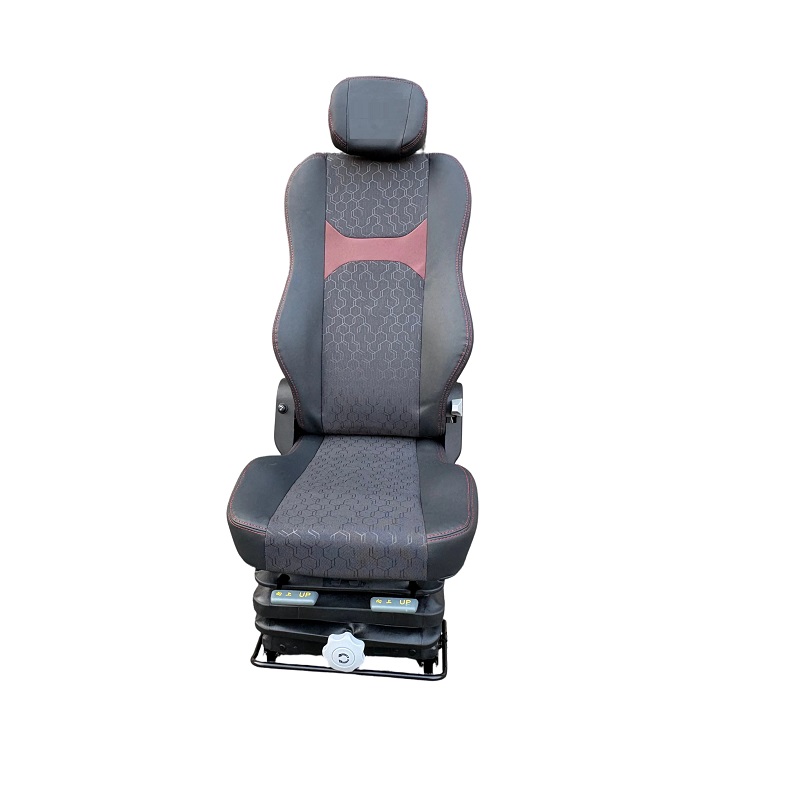
Fleet managers, OEM buyers, and spec engineers need clarity fast: seat choices shape driver comfort, uptime, and long-term maintenance budgets. This playbook compares suppliers, materials, and delivery realities so you can pick what actually works for your operation. If you’re custom-fitting rigs, start by evaluating a custom truck seat option alongside catalog models — the difference in suspension seat design and lumbar support can cut fatigue complaints in half.
How the market splits: classic tiers and what they mean
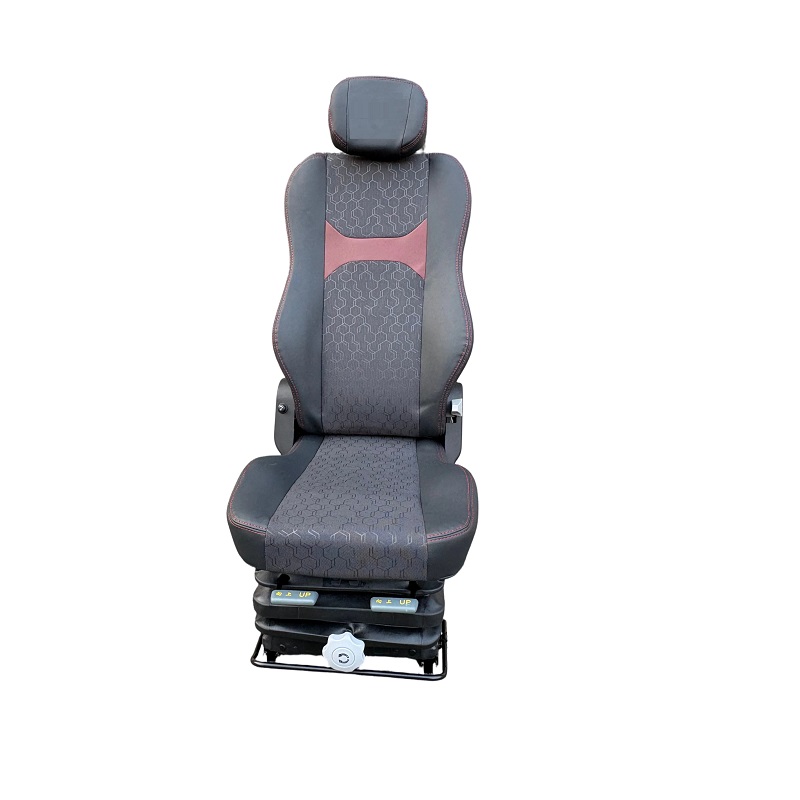
Think of suppliers in three buckets: commodity OEM lines, specialized heavy truck seat manufacturers who offer modular systems, and boutique makers focused on full customization. Commodity seats win on price and fast lead times; modular suppliers deliver repairable components and air-ride or iso-elastic suspension options; boutiques let you specify ergonomic foam shapes and bespoke seat base geometry. For operations running out of the Port of Los Angeles, where downtime costs stack quickly, the middle tier often balances cost and service best.
Feature-by-feature comparison that counts
Compare across metrics that move the needle: durability (frame and cover wear), adjustability (fore-aft, lumbar, and armrest range), suspension type (air-ride vs. mechanical), and serviceability (replaceable cushions, modular electronics). Weight capacity and vibration dampening matter for off-road haulers. Don’t skimp on testing: request field data from the supplier about foam compression cycles and suspension travel. Real-world anchor — many fleets running I-80 and cross-country freight routes report fewer injury claims after switching to seats with proven anti-vibration setups.
Common sourcing mistakes and how to avoid them
Buyers often pick the cheapest seat that “fits” the cab, then get surprised by warranty claims and unhappy drivers three months in. Another trap: accepting a single sample without a short trial fleet deployment. Run a staged pilot: fit five trucks for 90 days, log driver feedback, track maintenance events. Small pilots reveal issues like seat base looseness or insufficient lumbar support early — you save money on replacements and retrofits.
Supplier due diligence — practical checklist
Validate supplier claims with targeted checks: ask for MTBF or service interval data, request documented field returns, and confirm spare parts availability within your region. Verify testing parameters — not just “passed vibration testing” but the exact sub-chapter: for example, provide duration (e.g., 48-hour harmonic vibration at 5–20 Hz) and load conditions used in fatigue tests. That specificity separates vendors who test in a lab from those who test in real duty cycles.
Alternatives and retrofit options
If a full seat replacement isn’t on the table, consider retrofits: upgraded cushions with higher-density ergonomic foam, add-on lumbar kits, or a suspension base upgrade to change a rigid mount into an air-ride setup. These moves can extend the service life of existing seats and offer measurable comfort gains without major capital outlay.
EEAT & sourcing rationale
EEAT mode: Practical expertise. This piece leans on procurement practice and on-the-road experience with fleets servicing ports and interstate corridors. Cross-check supplier references and visit a local service depot when possible — seeing replacement part stock and trained technicians tells you more than glossy spec sheets. A trusted pool of heavy truck seat manufacturers and service partners shortens repair cycles and reduces downtime.
Summary of key trade-offs
Durability vs. cost, customization vs. lead time, and comfort vs. complexity are the recurring tensions. Durable frames and modular seat base designs reduce life-cycle cost; however, bespoke foam profiles produce the biggest driver comfort gains. Match the choice to duty cycle: regional drop-and-hook fleets often favor adjustable, repairable seats; long-haul operations prioritize advanced suspension and lumbar systems.
Three golden rules before you sign
1) Metric-driven trials: run a 60–90 day pilot with quantifiable KPIs — driver-reported discomfort events, maintenance calls, and part failures per 10,000 miles.
2) Specify test parameters: demand exact fatigue and vibration test methods (e.g., 48-hour vibration exposure 5–20 Hz under rated load) and spare-part lead times in writing.
3) Insist on regional support: confirm a parts network and certified technicians within your operating corridors, not just a promise from headquarters.

Choosing the right seat reduces claims, lowers churn, and keeps drivers alert — and that practical value is exactly why fleets rely on partners who know how to bridge design, test, and field service. Source One helps buyers match requirements to suppliers and makes sure specifications translate into real-world uptime — a small shift that pays off in miles. —