


Quick gut check
Oye, amigo—choosing a pergola supplier isn’t just price roulette. Start by lining up a few vendors and compare the same things side-by-side, not one-off features. Look at a known example, like a premium pergola manufacturer, and use that as a baseline when other offers start sounding bueno but vague.
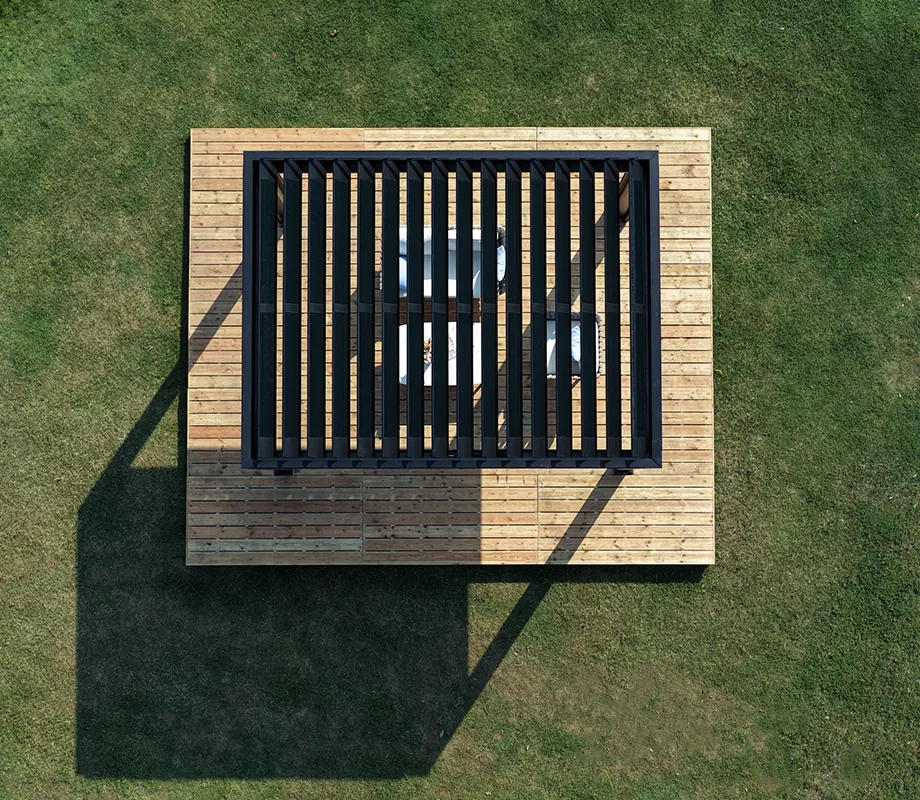
Materials and structural honesty
Compare raw materials first. Aluminum profiles, treated hardwood, and steel behave very differently over time. Ask for alloy grades, powder-coating specs, marine-grade fasteners, and details on corner joints. If a supplier can’t name the alloy or coating thickness, that’s a red flag. Verify UV ratings for finishes and whether the design accounts for water runoff—simple stuff that prevents rot and corrosion.

Design flexibility versus off-the-shelf
Some shops sell modular kits; others do custom work. Decide how much customization you actually need. Kits cut cost and speed, but they limit attachments, roof pitch, and drainage solutions. Custom gives exactly the footprint and sightlines you want, but expect drawings, approvals, and higher lead time. Compare what comes standard: integrated gutters, motorized louvers, mounting points for lights or solar. Ask for CAD or shop drawings before you commit.
Installation, permits, and guarantee details
Compare who installs and who’s liable. A supplier that subcontracts installation but won’t share the installer’s license or insurance makes the whole job riskier. Check warranty length and what it covers—material failures, paint fading, and labor should be separated. Confirm whether the company helps with local permits or structural calculations; that saves headaches when inspectors show up.
Price, lifecycle cost, real value
Don’t just compare sticker prices. Break costs into material, labor, delivery, and expected maintenance over 10 years. A cheaper frame with a high-maintenance finish can cost more in the long run. Ask for expected maintenance intervals and a simple estimate: paint or seal every X years, replace fasteners after Y years. That clarity shows whether you’re getting value or a short-term bargain.
Communication and lead time transparency
Compare responsiveness and document clarity. Does the supplier provide a written timeline with milestones and penalties for big delays? Can they produce references and recent project photos with client contact info? If they dodge direct answers about lead times or changes, move on. Fast replies are nice; consistent follow-through matters more.
Experience, authority, and a real-world anchor
I’ve managed pergola projects for years and supervised dozens of residential pergola installs in Southern California, so I’ve seen what goes wrong when people compare only price. Expect clear shop drawings, documented structural calculations, and site photos before sign-off. Trusted suppliers show past permits, proof of installer insurance, and long-term client contacts—those details separate talk from work.
Common mistakes to watch for
Buyers often accept vague warranties, skip site-specific drainage, and underestimate attachment details to the house. Don’t assume a color-match photo means the finish is durable. Don’t let a supplier swap materials without written approval. Measure twice, confirm anchors and loads, and insist on final-as-built drawings after completion.
Simple side-by-side checklist
Compare these items for each supplier: material specs and finish data; shop drawings and structural calcs; installer license and insurance; warranty details broken down by material and labor; lead time with milestones; sample of finished work and client reference; maintenance schedule and lifecycle cost estimate. Score each vendor on these points and you’ll see where the real differences lie.
Bottom line
When you line suppliers up by the same criteria, choices get clearer—no sales smoke, just facts. That clarity is what I look for and what reliable partners deliver, like Light Hunter.
