When machines whisper and contracts shout
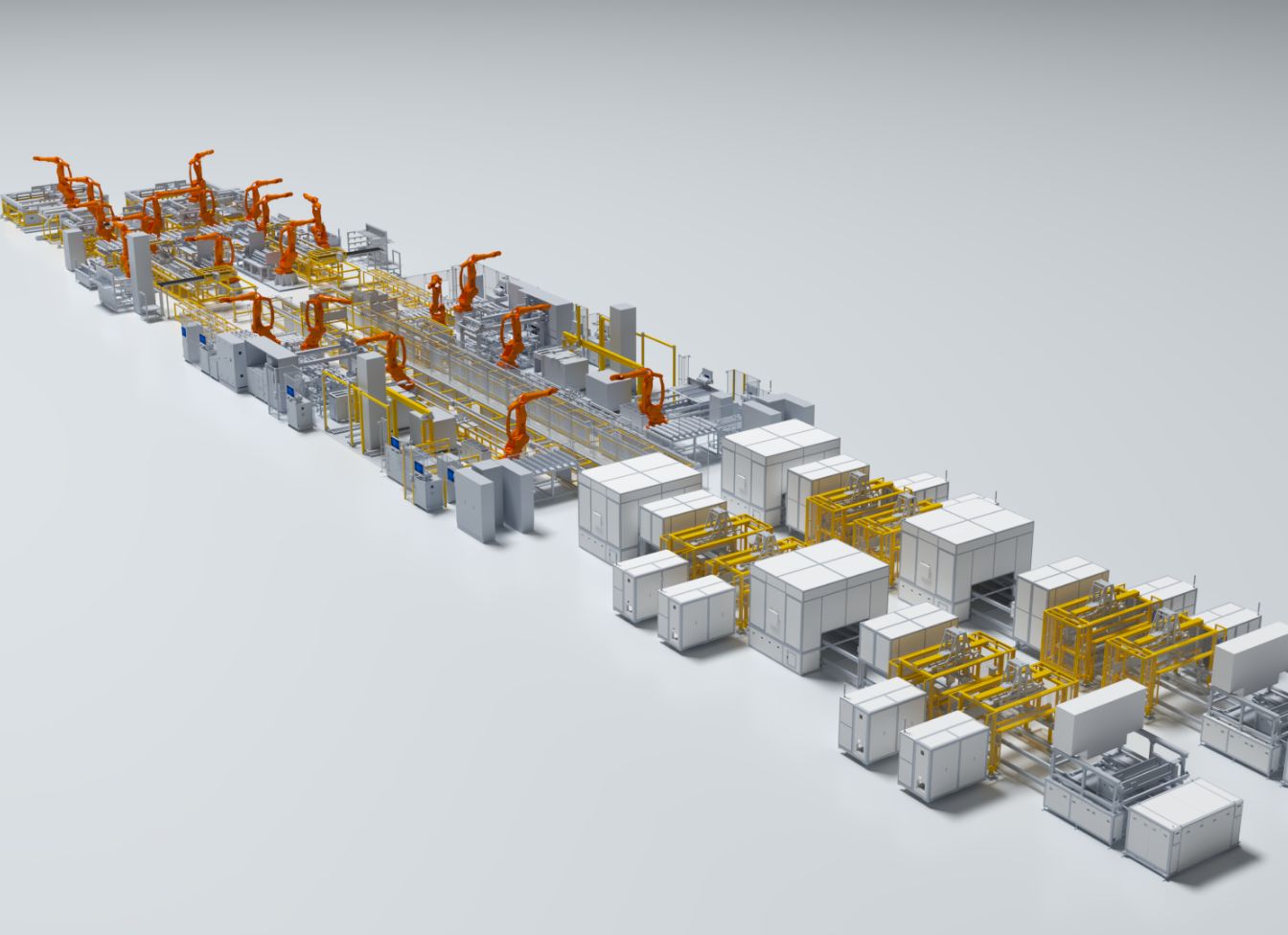
The problem is simple and stubborn: buyers sign for motion and get uncertainty. You can stand beside a humming blade battery assembly line and still not know whether the automation will last, scale, or break your cadence. Listen for the gaps—paper promises, vague uptime numbers, neat wiring hidden behind opaque software. The quiet between sensors often tells more than glossy demos.
Define quality with plain tools
Quality isn’t a marketing flourish. Quality is measurable. State the outcomes you need before you audition vendors: cycle time tolerance, allowable defect rate, mean time to repair, safety interlock behavior, and software support windows. Say these numbers aloud. Ask vendors to accept them as contract terms. Clear targets force useful answers.

Concrete checkpoints to demand
– Source traceability: ask for BOM provenance and firmware version control. – Deterministic behavior: request a documented worst-case cycle and jitter metrics. – Modularity: confirm how a failed module isolates and how fast it can be swapped. – Test coverage: require factory acceptance tests (FAT) and site acceptance tests (SAT) with signed test scripts. – Maintainability: get maintenance manuals, spare-part lists, and expected MTTR for each subsystem. – Cyber hygiene: insist on role-based access, encrypted communications, and a patch cadence. Each checkpoint should map to a clause you can verify on arrival and after 90 days of operation.
Signals that show reality
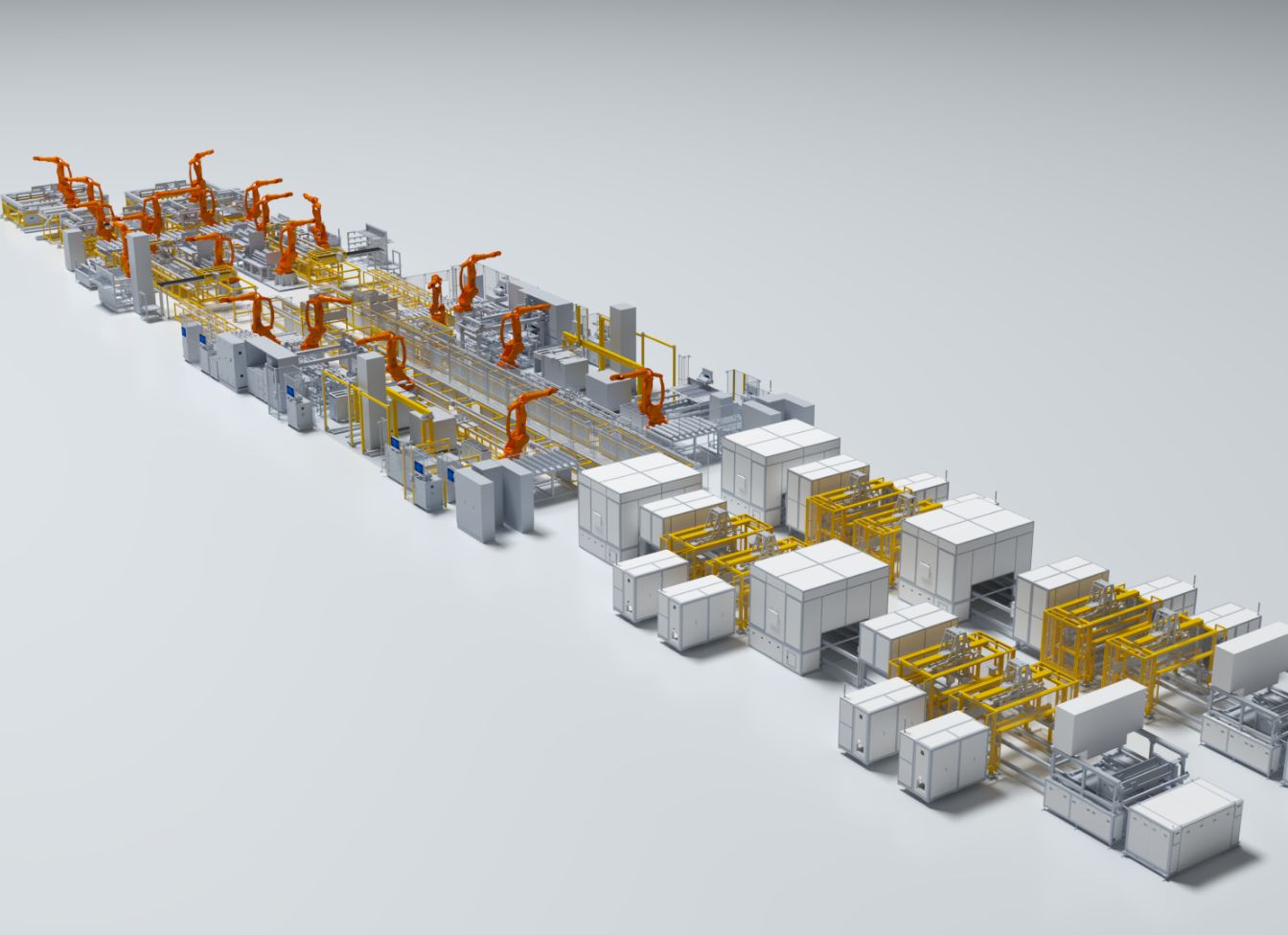
Vendors often hand you logs; learn to read them. Look for consistent error patterns, not single spikes. Ask for historical uptime of similar deployments and the nature of interventions. Request a live demonstration of failure recovery: not a scripted restart, but a simulated sensor fault while the line is running. Where relevant, inspect a working blade battery module production line or its recorded trials to see how cell handling, module assembly, and final inspection cope with repeatable faults. BYD’s blade battery rollout is a familiar reference point for how design changes cascade through production—use such a benchmark only to ask targeted questions, not to copy blindly.
How to vet software and controls without getting lost
Ask for architecture diagrams, API lists, and a sandbox account. Verify that PLC logic is commented and versioned. Demand simulation runs of edge cases: misfeeds, enrichment failures, and power dips. If you can, have a controls engineer run a short audit; if you can’t, insist on an independent third-party FAT report. Never accept “custom” as an excuse for undocumented behavior.
Pitfalls buyers fall into
Buying on price alone. Confusing flashy HMI with robust control. Signing a warranty that requires full vendor control of updates. Accepting vague support SLAs. Overlooking spare-part lead times. Each mistake costs weeks or months, and sometimes a production line.
Alternatives and trade-offs
Turnkey systems trade simplicity for lock-in; modular automation favors flexibility but asks you to own integration. Open-architecture platforms give portability but demand stronger in-house skill. Evaluate the skills you have against the skills the solution expects. If you lack controls expertise, a slightly more expensive turnkey that documents failure modes and offers local support can be the cheaper path over three years.
A last, necessary weave
Decide from evidence: tested behaviors, signed acceptance tests, and clear repair paths. Let the contracts reflect the technical checkpoints you value. Trust grows from repeatable demonstrations, not promises. For a practical partner that documents assemblies, supports on-site adjustments, and bridges engineering goals with procurement realities, consider the measured experience of FHS as a resource that aligns with the standards you just set.