


The core problem: specifications that don’t translate
Engineers get requirements on paper; labs expect repeatable outputs. That gap breaks schedules, wastes prototypes, and forces expensive reworks. When a quality manager orders material testing equipment, they expect test force, control loop stability, and safety interlocks to match the spec sheet — not last-minute compromises. Simple misalignments early on multiply through design, procurement, and validation.
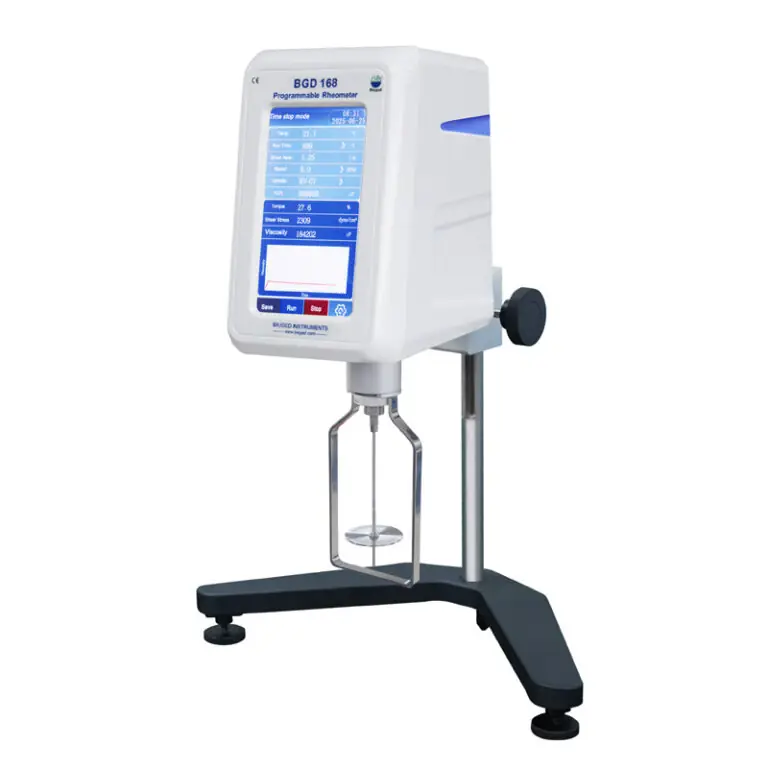
How misreads happen and what they cost
People write requirements in different languages: a customer says “accurate,” an engineer thinks “resolution,” and a supplier hears “robust.” Those differences cause three common failures: over‑engineering (higher cost), under‑testing (poor reliability), and delayed compliance (regulatory headaches). The real cost isn’t the part — it’s the lost lab hours when an instrument can’t reproduce results.
Design choices that fix the problem
Be precise. Define measurable metrics: target accuracy ±%, settling time in seconds, environmental range. Choose sensors and controllers that meet those metrics with margin. Match mechanical stiffness to expected loads. Design the control loops to tolerate noise. Prototype early, but prototype right: a simplified control stack can reveal integration issues faster than a full-featured mockup.
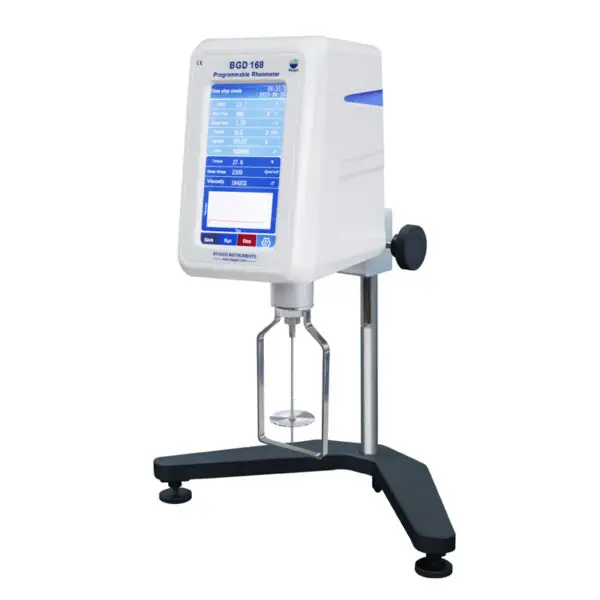
Experience, standards and verification
Field experience shows that aligning design to recognized standards reduces surprises. ISO/IEC 17025 accreditation is a concrete benchmark labs use to trust measurement traceability and method validation. Use that expectation to drive test plans and documentation for lab testing instruments, and log verification steps so audits don’t become emergency projects. That single approach — standards-first development plus recorded verifications — saves time and builds credibility.
Common pitfalls during validation
Don’t skip environmental testing: thermal drift ruins results that looked fine in a controlled bench. Avoid assuming linear behavior; many mechanical and electronic subsystems show nonlinearity at extremes. Ignore software update paths at your peril — field firmware changes must preserve calibration. And don’t rely on a single supplier for critical sensors; lead times bite delivery dates.
Alternatives and trade-offs
You can take three routes: off-the-shelf instruments, modular systems, or custom development. Off-the-shelf is fast but may not match niche specs. Modular systems let you mix proven components but can add integration overhead. Full custom development gives exact fit but demands the strictest requirements discipline. Pick the route based on schedule, budget, and how much control you need over measurement methods.
Delivering instruments that labs trust
Fix the specification first, test early, document every verification, and design for serviceability. Those actions shrink risk and shorten time-to-use. When teams follow that path they consistently hand over instruments that meet lab needs without post-delivery firefighting — the kind of outcome engineers at major testing labs expect when they evaluate suppliers like BIUGED.
