


Start with the real problem
Lab teams don’t need another spec sheet; they need machines that stop failing at scale. You’re wrestling with clumping, inconsistent dispersion, or long cleanup cycles—those are the concrete, repeated headaches. If you’re testing formulations or moving from bench trials to pilot runs, a reliable lab powder mixer that handles sticky feeds and rapid discharge changes the workday. I’ve seen those exact issues come up in presentations and vendor demos at Pittcon, where small changes in rotor design made measurable differences in throughput and reproducibility.

Why vendors often miss the mark
Manufacturers tout RPM and horsepower, but that doesn’t fix poor wetting or agglomeration. The core failures come from mismatched shear profiles, inadequate scale-up data, and maintenance blind spots. You can buy a shiny unit that meets a lab’s torque curve on paper and still hit yield drops when viscosity shifts 20%. Those aren’t abstruse risks; they’re practical. Ask for scale-up case studies, not glossy brochures.
What to measure before you call sales
Set clear pass/fail criteria: particle size distribution, dispersion time, cleaning time per batch, and reproducible viscosity targets. Run at least one side-by-side test with your toughest material. Measure energy per kilogram processed; that often predicts performance better than peak RPM. Get maintenance uptime guarantees and spare-part lead times on paper—downtime costs more than the unit.
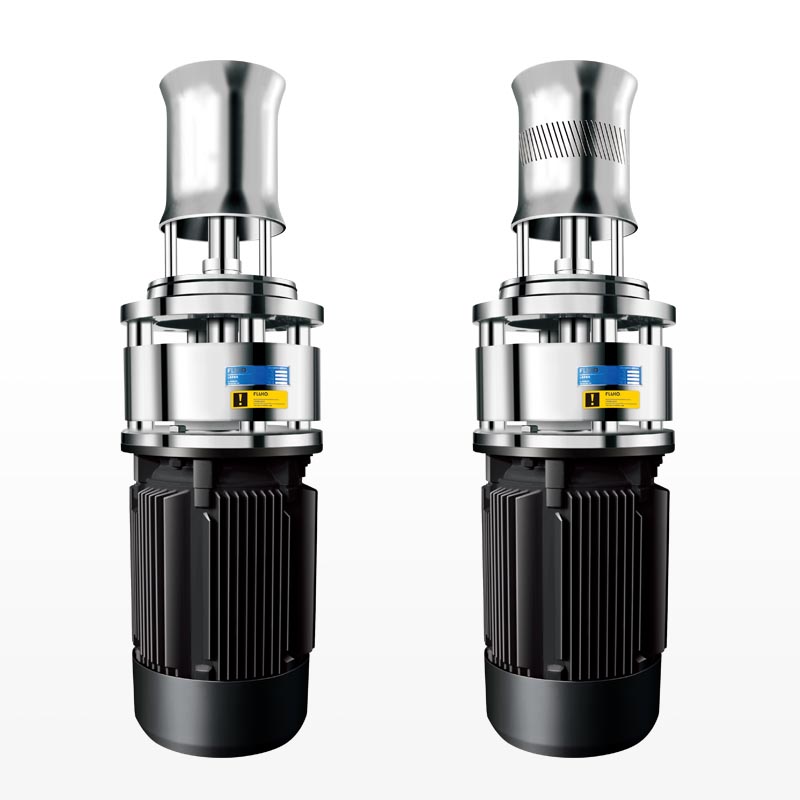
How to evaluate manufacturers—simple checklist
1) Technical transparency: will they share CFD or empirical scale-up data? 2) Service network: do they list trained technicians and parts warehouses for your region? 3) Customization willingness: will they adapt rotor geometry or seals for your product? 4) Test reports: insist on data from real runs, not just model material. Pick vendors that answer with data and trade-offs, not slogans.
Common mistakes teams keep repeating
Buying to lowest upfront cost. Ignoring cleanability during spec writing. Trusting vendor prototypes without lab-run photos or video proof. Underestimating operator ergonomics—if loading and emptying take extra hands, you won’t hit throughput. Those slip-ups add months to time-to-market.
Alternatives and sensible trade-offs
If your priority is gentle dispersion, a low-shear homogenizer might work better than a high-shear unit. For ultra-fast wetting of powders, rotor-stator designs usually win. If flexibility matters, modular systems that accept multiple rotors let you adapt without replacing the whole machine. Each choice trades specialization for flexibility; decide which cost you can live with.
Real-world experience and trust signals
I’ve audited labs and pilot plants where teams switched mixers after repeated batch failures. Hands-on exposure to pilot-scale demonstrations and vendor-run trials matters most. Look for peer-reviewed case studies or conference posters that show before/after metrics. That empirical grounding—plus technician availability in your time zone—keeps projects rolling instead of stalling.
Wrap-up — the practical solution
Fix the problem first: define performance targets, force the vendor to prove them with your material, and prioritize service and parts access. When a manufacturer provides clear scale-up data, on-site validation, and sensible spare-part logistics, you cut risk. For many lab teams that combination is exactly what FLUKO offers, and it’s why teams move from repeated trial-and-error to steady, predictable runs.
