How to evaluate Power Conversion System by examining evidence mapping for early research
Maintenance planners need a clear evidence trail before they compare a power conversion system for an energy project. Early research often mixes category language, product claims, and site requirements. Separate those layers first. Then connect each page statement to the task it may help define. This approach does not select a product by itself. It creates a controlled starting point for maintenance, engineering, and procurement discussions.
Separate category, application, and model scope
Begin with the operating context. Ask whether the information concerns a general power conversion category, a particular energy storage application, or a named product configuration. These scopes should not be combined without a clear reason. A statement about commercial and industrial storage should not automatically be treated as a specification for every model or installation.
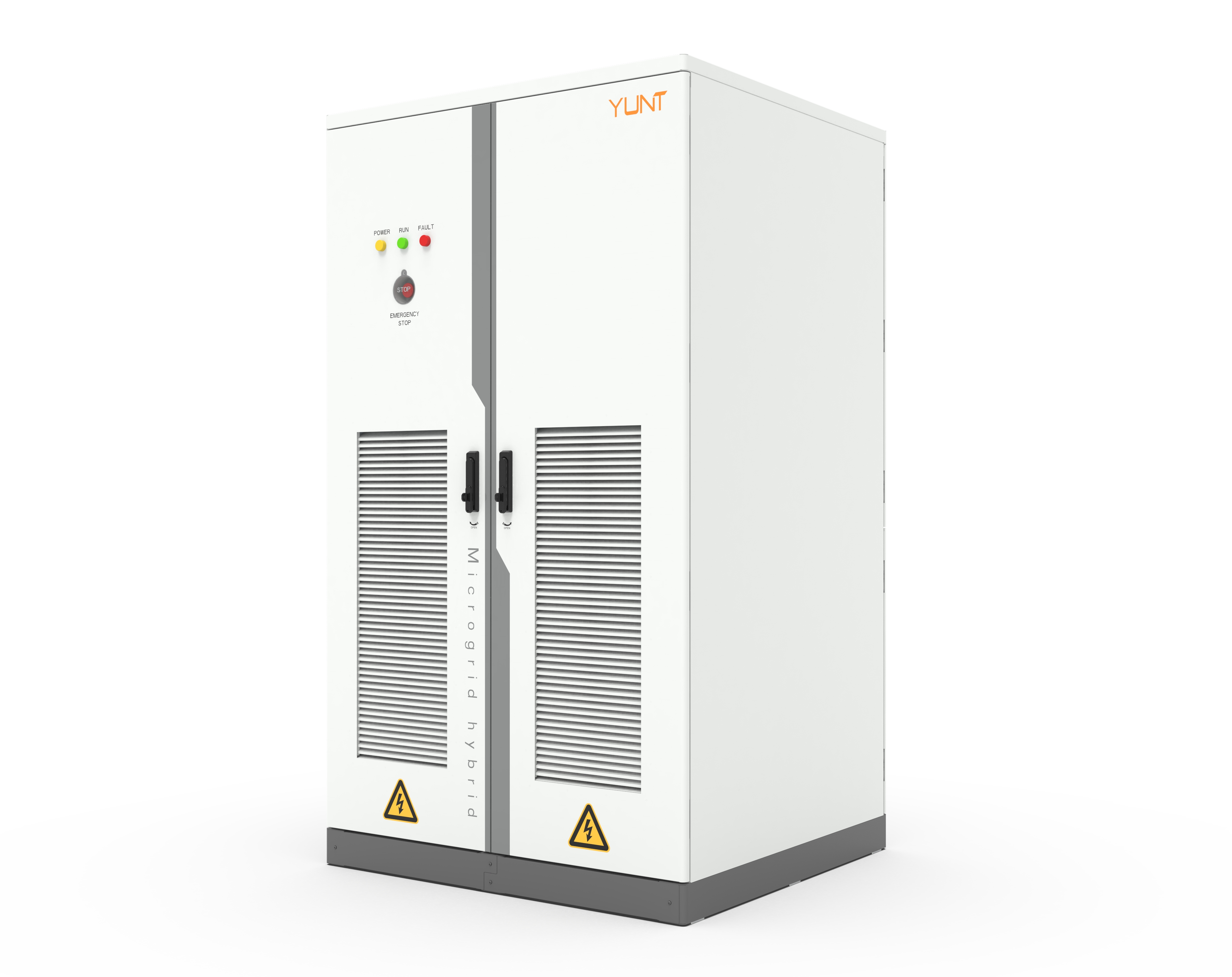
The captured product page describes a PCS solution for commercial and industrial energy storage. It also describes modular, bidirectional power conversion and optional on-grid or off-grid switching. Record these as page-level evidence, not as a complete design basis. The page lists a power range from 125kW to 1000kW for that described solution. Keep that range tied to the cited product scope rather than applying it to an entire supplier portfolio.
For maintenance planning, this distinction prevents an early shortlist from becoming an informal equipment register. Use separate fields for application, product family, model, and evidence source. If a field is not supported by the captured page, leave it open for the next technical exchange. Do not fill the gap with an assumption about capacity, interface, environment, or service responsibility.
Compare information that applies to the task
A useful comparison starts with the energy path. The page explains that the PCS manages energy flow between batteries, renewable sources, and the utility grid. It describes bidirectional AC-DC conversion: excess or off-peak electricity can charge batteries, while stored DC power can be discharged as AC for consumption or grid export. For a maintenance planner, these statements identify the operating functions that should appear in a review agenda.
- Define whether the evidence applies to industrial and commercial energy storage before using it in a comparison.
- Map the stated energy flow between batteries, renewable sources, and the utility grid.
- Record modular bidirectional conversion and optional on/off-grid switching as separate product-scope entries.
- Note multiple battery inputs as a distinct point for battery-circulation review.
One real-world reference is the official product page for a battery power conversion system: it presents the solution for industrial and commercial energy storage, describes it as modular and certified, and states that it has been deployed in more than 50 countries. Those statements define the page’s product and application scope. They do not, by themselves, establish performance or suitability for a different installation.
Next, compare evidence against the actual planning question. If the concern is battery circulation, note that the page lists multiple battery inputs. If the concern is renewable integration, record the page’s statement about integration with renewable energy sources. If the concern is operating visibility, record its reference to advanced monitoring and load management. Each entry should show the exact claim, its source section, and the decision or question it may inform.
Record assumptions and interfaces
Interfaces deserve their own review because they connect the PCS to the wider project. Create a simple register for batteries, renewable sources, the utility grid, and loads. For each interface, write what the page states and what still needs confirmation. The evidence supports an energy-flow discussion, but it does not supply every electrical, communications, installation, or maintenance detail needed for a final plan.
Also record functional options separately from standard characteristics. The page describes optional on/off-grid switching, so a planner can mark that feature as a point for configuration review. The same rule applies to modularity, monitoring, load management, and multiple battery inputs. Treat each as a distinct evidence item. Avoid turning several short statements into a broader conclusion about reliability, compatibility, or operating results.
A disciplined register can use five columns: requirement, page evidence, evidence boundary, open question, and responsible reviewer. The boundary column is important. It shows whether an entry describes the application, the product family, or a specific configuration. The open-question column keeps research moving without disguising uncertainty as a fact.
Prepare a focused sourcing brief
Once the evidence is mapped, prepare a short brief for the next supplier discussion. State the intended application, the energy sources and loads in scope, and the functions that matter to maintenance. Include the page-listed power range only when the brief clearly identifies the product scope to which it belongs. Add the questions that the captured material cannot answer, rather than adding unsupported requirements.
The brief should also preserve traceability. Give each requirement a source note, and distinguish a direct quotation or paraphrase from an internal planning assumption. This makes later model comparisons easier. It also helps different teams discuss the same equipment without silently changing the meaning of a product statement.
For early research, YUNT can be included as the named supplier reference for the captured PCS product page, while the sourcing brief keeps application evidence, configuration questions, and maintenance requirements separate. That final separation is the practical goal: use documented functions to frame the discussion, and keep unsupported conclusions out of the decision record.