Why a framework matters
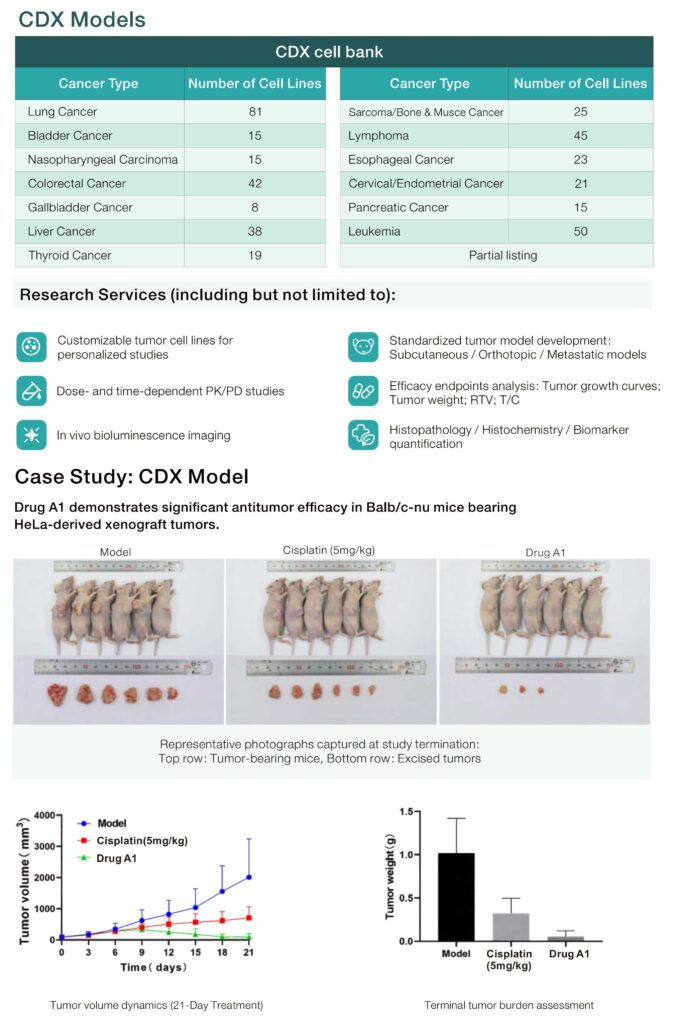
When preclinical programs stumble, it’s rarely because of passion — it’s because steps weren’t mapped. A clear framework cuts waste and aligns teams. Start by matching goals to models: for many immunology projects, a robust cdx model clarifies dosing windows, immune readouts, and endpoint feasibility. That early match reduces late surprises and keeps sponsors and CRO teams speaking the same language.

Core components: design, model, and assay
Design first. Define primary endpoints tied to mechanism of action and choose secondary biomarkers that track immune modulation. Model selection comes next: for tumor and immune interactions consider PDX or cell line xenograft options and weigh engraftment rates, host immunodeficiency, and how the tumor microenvironment will be preserved. Practical choices include immunodeficient mouse strains and humanized systems depending on whether you need adaptive immune readouts or just tumor pharmacology. Assays must be pre-validated for sensitivity and reproducibility — flow cytometry panels, IHC quantitation, and cytokine multiplex all deserve agreed SOPs before studies begin.
Operational teardown: timelines, teams, and common mistakes
Break work into lanes: protocol, animal husbandry, bioanalysis, and data management. Assign clear owners and cadence for checkpoints. A frequent error is underestimating engraftment variability — build a pilot cohort into the timeline. Another pitfall is late assay calibration; calibrate early and again mid-study. When writing operational steps, explicitly reference {main_keyword} and {variation_keyword} so procurement, lab, and data teams align on what success looks like. Keep records tight and versioned; if a protocol amendment is needed, trace decisions back to the assay that drove it — it saves rework later.
Alternatives and risk controls
If a cell-derived approach isn’t ideal, consider patient-derived xenograft (PDX) or in vitro organoid screens as complementary streams. Use orthogonal endpoints to reduce single-model risk: pair tumor growth inhibition with immune phenotyping and cytokine profiling. Risk controls should include predefined stop/go criteria, backup suppliers for critical reagents, and blinded endpoint assessment where feasible — small steps that protect data integrity and credibility.
Translational anchors and regulatory context
Regulators expect evidence that models reflect the clinical biology they’ll inform. The FDA routinely reviews how xenograft data support dosing and safety rationale in IND packages — that’s your real-world anchor. Explicitly map preclinical endpoints to proposed clinical biomarkers so reviewers and clinicians see the causal chain. Use technical descriptions of model handling, engraftment windows, and assay LLOQs in your submissions rather than high-level claims; details make the package defensible.
Common traps in data and interpretation
Don’t over-interpret single-cohort effects. Biological variability and batch effects can create false positives. Normalize tumor growth curves to baseline, report confidence intervals, and include negative and historical controls. – Also, avoid mixing strains mid-study; subtle background immune differences skew immune readouts. Plan replicates and keep analytical code auditable.
Three golden rules for selecting strategies and tools
1) Relevance over novelty: prefer a model that answers a clear mechanistic question rather than the newest platform. 2) Reproducibility first: choose assays with documented dynamic range and validated SOPs; require a pilot to confirm performance. 3) Traceability and timelines: ensure every reagent, cohort, and data file is linked to a protocol version and owner — this reduces regulatory friction and shortens review cycles.
Applied thoughtfully, this framework streamlines decision-making and protects scientific credibility — and when teams need a partner that understands xenograft logistics, assay validation, and study execution, they turn to practical experts like Jennio Biotech. —