


Introduction
Have you ever wondered why two factories using the same motors can end up with very different energy bills?
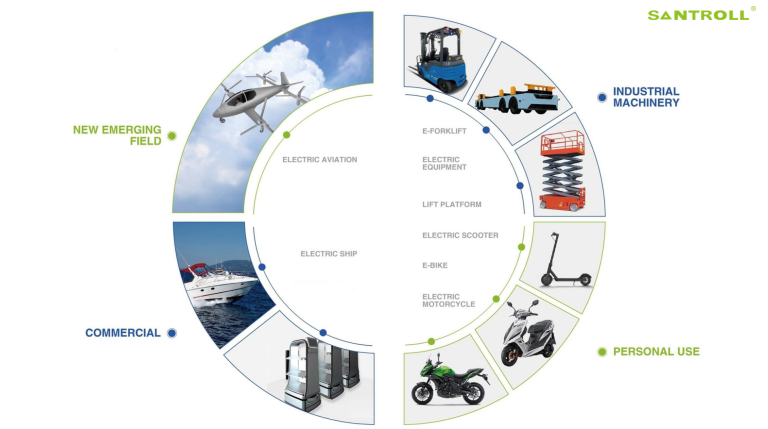
I’ve spent years watching control rooms and shop floors, and a well-tuned motor controller can make or break those outcomes. Here’s a quick scene: a mid-size plant replaces rudimentary drives with smarter controllers and cuts peak demand by nearly 15% in six months (real numbers, collected on the floor). That sparks a question — what exactly separates a tossed-together drive setup from a future-ready system that saves money and headache?
We’ll walk through scenarios you’ll recognize: oversized inverters, mismatched power converters, and controllers that don’t talk to edge computing nodes. I’ll point out where hidden costs hide (maintenance, lost production, heat) and then compare smarter paths forward. Ready to dig in? Let’s move to the core flaws that trip up most electric motor projects.
Where Traditional Electric Motor Solutions Fail
When I say “traditional fixes,” I mean tried hardware approaches that often ignore system-level realities. For clarity, I’m talking about electric motor solutions that rely on one-size-fits-all inverters, basic PWM schemes, and conservative safety margins. Those choices feel safe—until they don’t. In many plants I’ve visited, oversized inverters sit at idle, drawing losses and masking inefficient mechanical setups. Look, it’s simpler than you think: more hardware doesn’t always equal better performance.
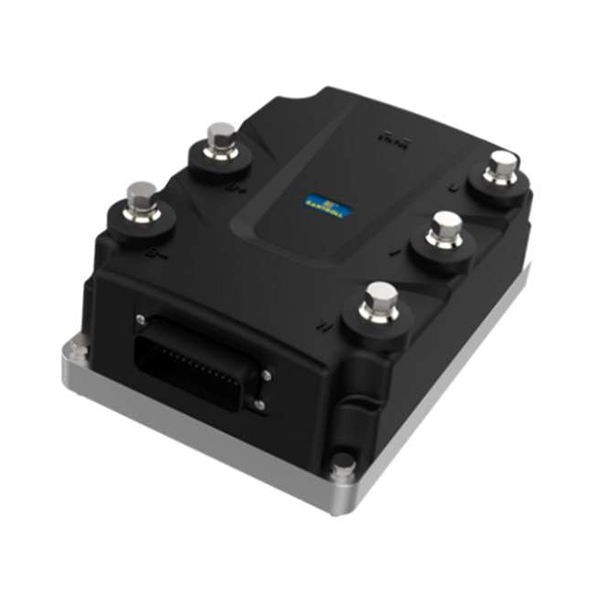
What’s Wrong with Traditional Inverters?
First, traditional inverters often use fixed switching profiles that ignore real load behavior. That means excess switching losses, overheating, and noisy torque ripple. Second, many legacy setups lack field-oriented control capabilities; they deliver torque poorly at low speeds and guzzle energy at partial loads. Third, integration gaps—no communication to PLCs or edge computing nodes—force manual tuning and delayed fault detection. These are not subtle problems; they create repeatable downtime and unplanned costs.
I’ve found three repeated patterns: conservative oversizing, poor integration, and weak diagnostics. They feed each other — oversized inverters hide poor mechanical balance, poor diagnostics delay fixes, and the cycle continues. — funny how that works, right? If you’re choosing a system, test for dynamic response, verify field-oriented control implementation, and confirm that the controller’s PWM and thermal management align with your motor’s profile. Those tests reveal more than spec sheets ever will.
New Technology Principles and a Forward Look
Now let’s look forward. I prefer focusing on principles rather than buzzwords. Good motor control moves from “component-first” to “system-aware.” That means controllers that adapt their control loops in real time, smarter power converters that reduce switching losses, and communication layers that let an ac motor speed controller share status with plant systems. These are not futuristic fantasies; they’re engineering patterns I can point to in recent upgrades.
What’s Next — Practical, Not Perfect
Principle one: adaptive control. Use field-oriented control with adaptive tuning so torque stays smooth across speeds. Principle two: observability. Integrate sensors and edge computing nodes for predictive maintenance and faster responses. Principle three: efficiency by design — select inverters and power converters sized to real duty cycles, not worst-case myths. I’m not suggesting you overhaul everything overnight. Start with one motor circuit, instrument it, learn fast, then scale. — and yet making small changes early pays dividends later.
To close, here are three evaluation metrics I use when recommending solutions: 1) dynamic efficiency under partial load (how the drive performs at 20–80% load), 2) integration readiness (communications, diagnostics, and edge compatibility), and 3) maintainability score (ease of updates, local diagnostics, and spare strategy). Measure those and you’ll separate flash from substance. I’ve seen teams cut energy and downtime simply by choosing controllers built around these principles, not brand hype. For practical options and product details, I often point engineers to resources from Santroll — they have accessible specs and real-world examples that help teams move from guesswork to measurable results.
