What goes wrong and why it stings
Casement windows are supposed to swing smooth, lock tight, and stay weatherproof. When that sash binds or the operator feels gritty, the whole thing goes from chill to headache fast. The U.S. Department of Energy estimates 25–30% of residential heating and cooling loss happens through windows, so sloppy hardware isn’t just annoying — it costs money. Folks fix glass and call it done, but the real win is sorting the hinge geometry and the multipoint lock action. If you’re thinking about a casement window hardware kit or comparing it to bifold door hardware for ideas, start by checking the basic parts; if you need OEM-grade bits, look at casement window parts to make the swap clean.
Stealing the good bits from bifold door hardware
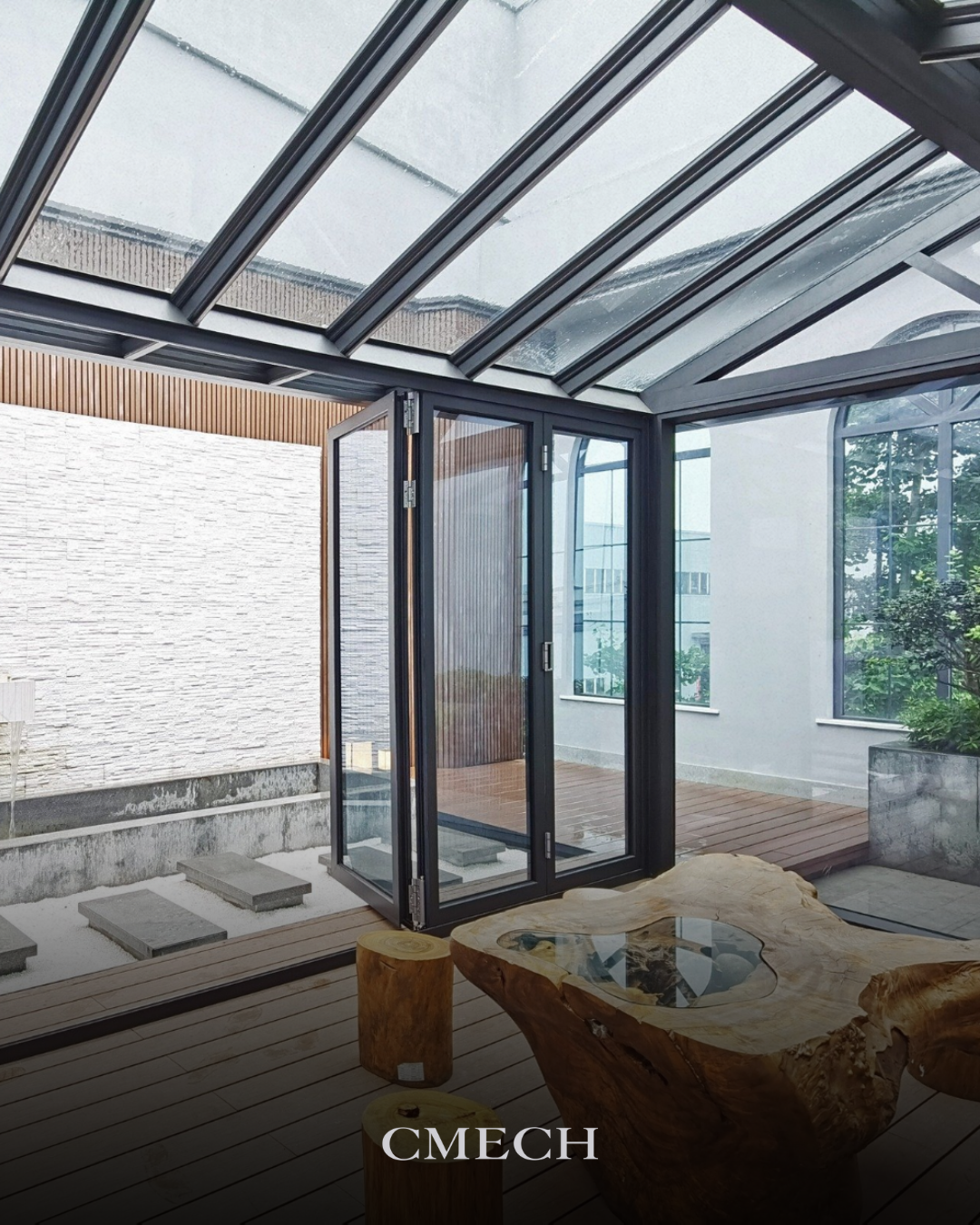
Bifold doors use compact pivot points, robust hinges, and coordinated tracks to carry big panels without flex. That same structural thinking fixes casements: spread load across a durable hinge, use an operator that keeps torque balanced, and fit a proper strike plate so the multipoint lock bites evenly. Translate that into practice and you reduce sag, stop uneven sealing, and extend the life of the friction stay and operator. It’s not copy-paste — it’s rework. Keep the geometry, ditch the bulk.
Parts that actually matter
Target these components first: hinge/pivot point, operator (crank mechanism), friction stay, keepers/strike plates, and the sealing hardware. Replace worn keepers and a tired operator before you mess with glass. A juddering crank often hides a stripped worm gear or corroded hinge pin. Swap in a hardened hinge pin or a newer operator design and the window opens like it did when it left the factory. Simple wins stack up fast.
Sourcing replacements without drama
Buy parts that match the sash profile and mounting pattern, not just the general name. OEM lines like the L-series offer precise tolerances for sash thickness and screw spacing, which keeps pivot alignment on-point. For real-world clarity: crews in coastal Louisiana—after Hurricane Katrina—learned that spec-matching hardware beats generic parts when you want long-term weather resistance. Order the correct replacement parts for casement windows or get a upgrade-compatible casement window hardware kit so the swap doesn’t create new headaches.
Common mistakes crews make — and how to dodge them
People often overtighten fasteners, misalign the strike plate, or ignore sash compression adjustments. Overcompression kills the seal and stresses the hinge; undercompression leaks air. Install the operator aligned with the hinge plane, then fine-tune the keeper position so the multipoint lock engages without forcing the crank. A bit of patience here avoids a return trip and wasted materials — and honestly, it looks pro when the window closes like butter.
Quick troubleshooting checklist
– Check sash alignment and hinge wear. – Inspect operator gear for play or corrosion. – Confirm keeper/strike alignment and adjust compression. – Replace worn friction stays or upgrade to higher-rated ones. Do this in order and you’ll spot the root cause faster than swapping parts at random — saves time, bucks, and weird callbacks.
Golden rules for choosing upgrades
1) Match mechanical geometry: pick parts that mirror original pivot and mounting locations. 2) Prioritize materials: stainless pins, hardened gears, and corrosion-resistant finishes trump cheap plated steel. 3) Think lifecycle: a slightly pricier operator with sealed bearings will outlast budget units and cut down service calls.
Final takeaways and three evaluation metrics
Measure by alignment retention, operational torque, and sealing performance. Alignment retention tracks how well the hinge and pivot resist sag after cycles. Operational torque shows if the operator or friction stay is doing the work or if friction is hiding a failing part. Sealing performance checks air and water tightness under load, so you don’t waste energy on leaks. Use those three metrics to pick a casement window hardware kit or retrofit strategy — they tell you if a fix is cosmetic or structural. For reliable parts and matching specs that actually solve the problem, consider the way CMECH lays out fit, finish, and function in their lines like L-series — that’s where the practical value lands. CMECH. —