A Camper Test That Didn’t Tell the Whole Story
I thought I nailed off-grid power last weekend. My friend swapped in a lifepo4 lithium battery for his tiny camper and expected the lights to glow all night. The data says that should work: LiFePO4 packs often deliver 2,000–4,000 cycles at 80% depth of discharge, and they hold voltage better under load. But the string still sagged when the fan kicked in, the inverter chirped, and the battery app showed weird jumps in state of charge. So what gives?

Here’s the curveball: the pack was fine, but the setup around it was off. The BMS was tuned for a different C-rate, the cabling had more resistance than we thought, and the power converters didn’t like the sudden surge from the fridge compressor (classic). A spec sheet can’t predict messy real life. And when we compare LiFePO4 to older chemistries, we miss the bigger contrast—how well the whole system is made and matched. Rude surprise, right? Now ask yourself: is it the chemistry failing, or the choices behind it? Let’s peel back the layer most people skip—how cells are born and built—then stack that against what happens in the field. On we go.
The Manufacturing Layer You Don’t See
Where do the hidden gaps start?
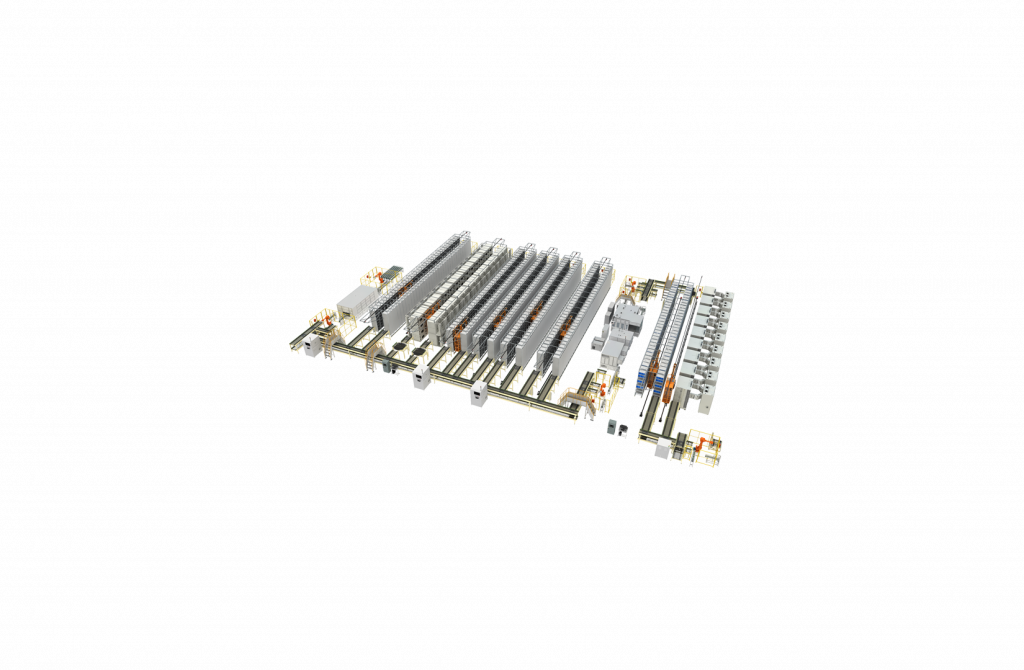
In lithium ion battery manufacturing, small process shifts cause big system pain later. If slurry is uneven in roll-to-roll coating, one edge of the electrode ends up thicker. Calendaring might then compress it wrong, so ions don’t flow evenly. During formation cycling, a rushed schedule creates unstable SEI, which increases impedance months later. None of that is obvious on day one, yet it shows up as voltage dip under load or inconsistent runtime in your camper or cart. Look, it’s simpler than you think: tiny factory variances scale into real-world frustration.
Traditional fixes? Swap the pack, tweak the BMS, or oversize the inverter. Those are band-aids. The deeper pain point is traceability and matching. Cells from different lots can be “in spec” but not “in sync.” Without tight binning and pack-level balancing logic, one weak cell limits the whole chain—funny how that works, right? Even good LiFePO4 cells struggle if busbars add milliohms, if tab welding is inconsistent, or if a cheap harness creates micro drops. We love comparing chemistries, but the smarter contrast is this: precision upstream prevents chaos downstream. And it’s the upstream choices that decide whether your LiFePO4 shines or stumbles.
From Fix to Future: Where LiFePO4 Goes Next
What’s Next
Now for a forward look, with real-world edges. A fleet depot tested two identical LiFePO4 carts. One came from a line that linked MES data to pack assembly; the other did not. The “linked” units tracked cell matching, weld energy, and balance currents. Six months in, those carts had tighter voltage spread at peak load and fewer nuisance shutdowns. The principle isn’t magic. It’s control loops: monitor, adjust, learn. Tie lithium ion battery manufacturing data to pack firmware updates and you cut drift. Add smarter BMS algorithms that predict surge demand and pre-balance cells, and the inverter stops complaining. Small steps—big calm.
Compare that to the old way: swap, hope, repeat. The future leans on data fusion and gentle tweaks. Digital twins of a pack can model internal resistance growth and guide charge rates. Edge analytics in the BMS catch a failing group before it becomes the bottleneck. Better yet, the factory feeds the field: formation profiles, lot IDs, and weld signatures inform service. And the field feeds back to the line. That loop shrinks the gap between “rated” and “real.” Advisory close-out: when choosing solutions, watch three things—cell-to-pack variance (mΩ spread under a fixed C-rate), process OEE across coating-to-formation, and BMS transparency for logging and firmware. Nail those, and LiFePO4 behaves like the spec sheet promised—and stays that way. If you want a name to anchor this journey, there’s LEAD doing the integration work behind the curtain.