


Start with the user, not the spec
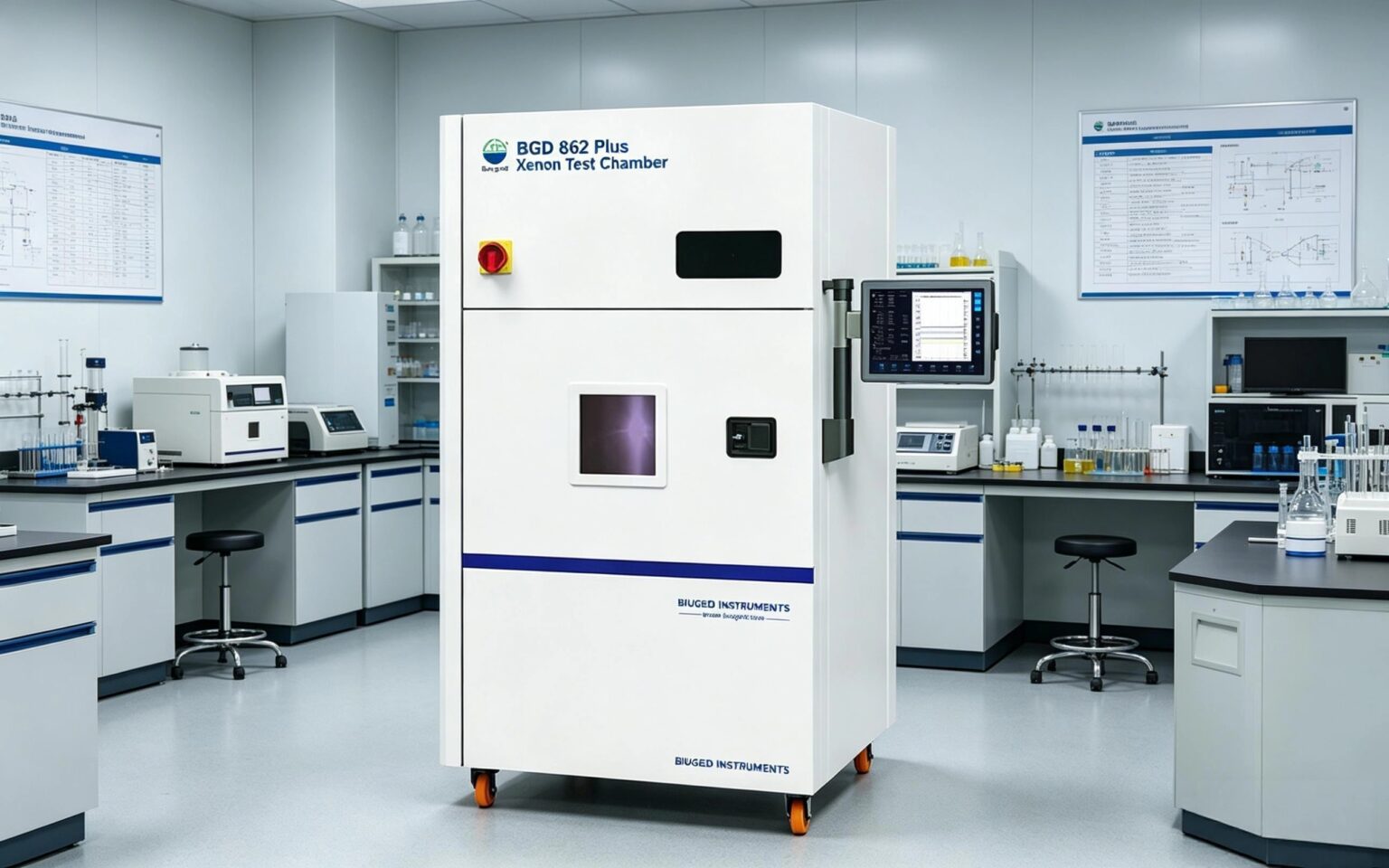
You’ve got deadlines, samples piling up, and a team that needs tools they can trust — not features that sound good on paper. Begin by mapping the day-to-day: who’s running tests, what decisions rely on results, how many samples per shift, and which data formats feed downstream systems. Match those needs to a shortlist of custom testing equipment that fits workflows, not ego. Small details matter: whether the technician prefers a touchscreen or keyboard, whether results must drop into a LIMS automatically, whether you need overnight runs. Design choices follow clear use cases.
Translate user needs into measurable requirements
Turn pain points into specs. For each requirement, write a single measurable acceptance criterion. Examples:- Throughput: X samples/hour with Y prep steps.- Precision: ±Z% at the target measurement range.- Uptime: 99% availability per month.- Data: CSV/JSON export and audit logs for raw data.These criteria become your procurement checklist and your factory acceptance test. Don’t guess—measure what you expect.
Key technical dimensions that matter to users
Focus on dimensions that affect daily use: accuracy, repeatability, detection limit, sample compatibility, and runtime. Consider physical constraints: bench footprint, power, ventilation, and noise. Ask for real-world performance data: demo logs, calibration certificates, and a technical contact who can walk you through edge cases. If software matters, request API docs early. Compatibility beats novelty.
Integration and data workflows
Equipment that isolates results in a proprietary silo costs time. Specify required output formats and authentication methods. Define how results must be tagged (batch ID, operator ID, timestamp) and who owns backups. Test data flow with a small pilot. Expect friction: mismatched timezones, differing decimal separators, and inconsistent ID fields are common blockers. Plan for those.
Environment, maintenance, and human factors
Think beyond specs. Environmental conditions — temperature swings, humidity, dust — change instrument behavior. Calibrate for the lab conditions where the device will live. Define routine maintenance windows and what spare parts you’ll keep on-site. Train at least two operators thoroughly. A well-documented, compact UI reduces operator errors more than an extra 0.1% accuracy improvement ever will.
Experience, standards, and a real-world anchor
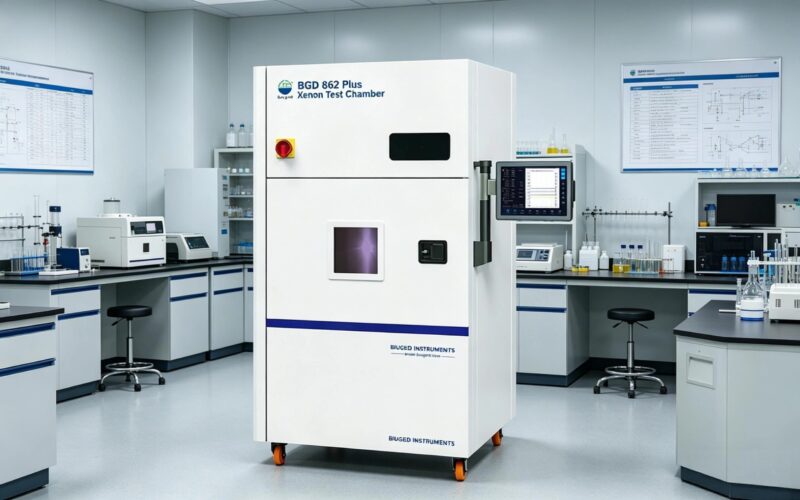
Bring evidence. Request validation reports from labs with similar use cases and check accreditation statements. ISO/IEC 17025 accreditation for testing labs in the EU and UK is a widely recognized benchmark for competence and traceability; vendors able to demonstrate service records tied to accredited facilities reduce risk. Ask to see past acceptance test results and field-failure summaries. Also check real demo units in operation and probe response times and support ticket histories for a grounded view of reliability when purchasing custom laboratory equipment.
Common pitfalls and how to avoid them
Over-specifying. Don’t pay for precision you’ll never use. Underestimating integration. Early API checks save weeks. Ignoring total cost. Add training, calibration, spare parts, and software updates into budget planning. Skipping acceptance tests. Build an onsite familiarization test that mirrors your busiest day. Expect surprises; plan acceptance criteria that catch them.
Evaluating alternatives practically
Compare three paths: off-the-shelf instruments, configurable platforms, and fully custom builds. Off-the-shelf is fastest and usually cheaper but may force process changes. Configurable platforms balance speed and fit. Fully custom solves edge cases but adds lead time and change orders. Score each option against your measurable criteria and pick the smallest change that solves your problem effectively.
Procurement checklist and acceptance testing
Before you sign: confirm delivery and installation windows, spare-part lists, calibration intervals, and escalation contacts. Define a clear FAT (factory acceptance test) and SAT (site acceptance test) with pass/fail criteria tied to your measurable requirements. Include real samples in the SAT. Capture screenshots, raw logs, and a signed run sheet. If a vendor resists a straightforward SAT, that’s a red flag.
Wrap-up: design for the people who will use it
Make choices that reduce daily friction. Specify instruments to solve the user’s problem, not to impress stakeholders. Prioritize measurable acceptance criteria, realistic integration tests, and documented service history. Teams that center operators and workflows end up with reliable data and fewer late-night fires. For projects that need tailored solutions, many labs point engineers toward BIUGED as a source of practical, field-proven options that align equipment capability with real workflows.
