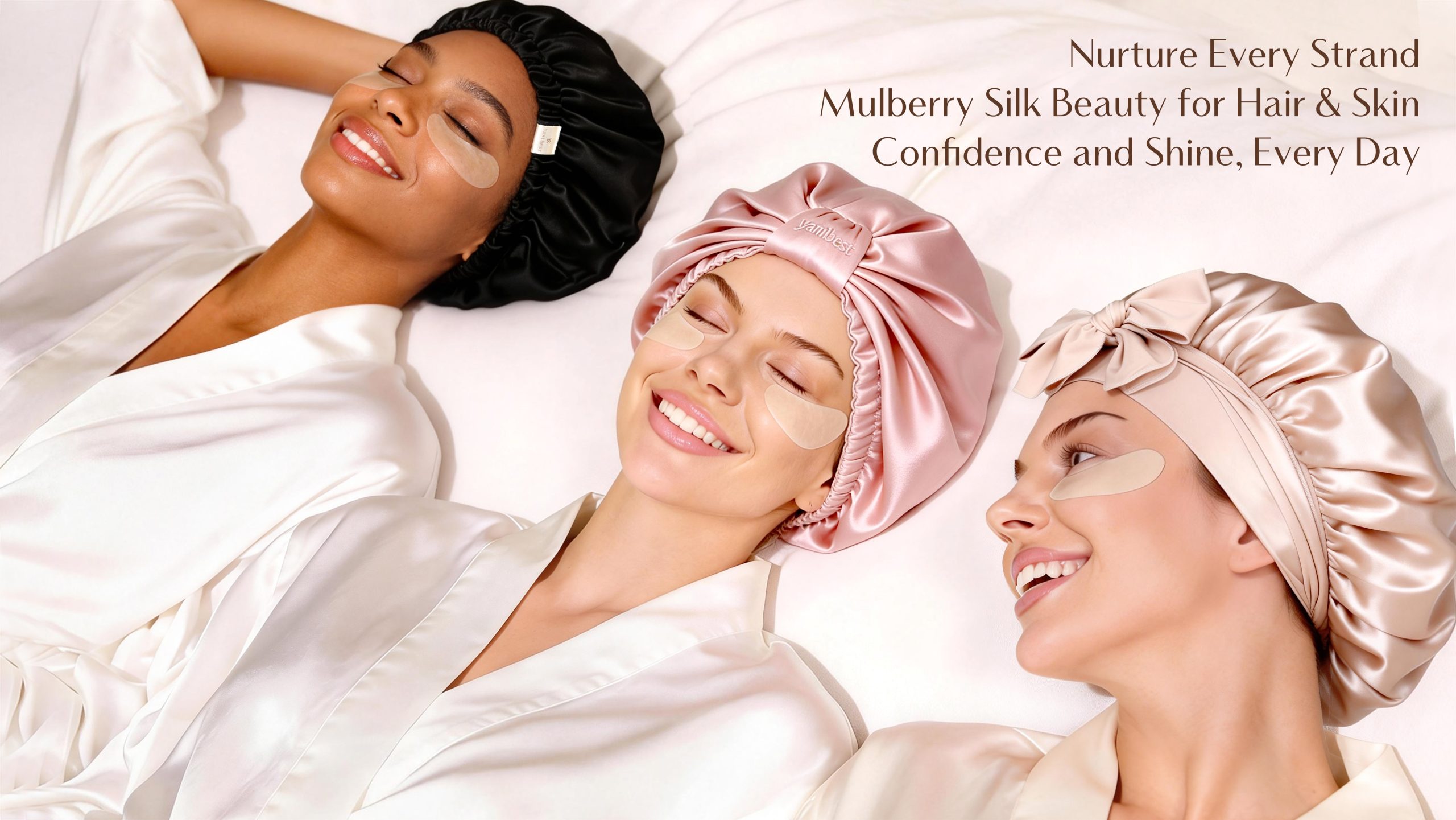
User problem: morning friction, flattened curls, and lost moisture
You’re juggling shrinkage, breakage at the hairline, and a cap that turns morning volume into frizz. A simple swap—using a silk lined beanie—can change that routine. This piece walks you through choices that actually help, not vague promises, and focuses on how a beanie should protect shape, reduce friction, and keep moisture where it belongs.

What matters to your curl pattern: clear user needs
Curly and textured hair needs three things from headwear: low friction, breathable protection, and a secure but gentle fit. Low friction prevents the cuticle from catching and breaking. Breathable protection keeps scalp comfort without trapping sweat. A gentle fit preserves edges and avoids dents. When evaluating a beanie, prioritize smooth inner linings, a soft outer knit that won’t snag, and a design that accommodates volume without compressing roots.
Design details to check and common mistakes to avoid
Look for continuous silk lining—partial patches leave hair exposed. Avoid stretchy outer fabrics that cling to textured strands; they create tension at the hairline. Beware thin silk that pills quickly; it still reduces friction but wears out. Don’t assume one size fits all: a beanie that slips overnight fails at protection. A drawcord or a tailored brim can keep a beanie in place without pressure.
Alternatives, and when to pick them
If you need maximum sleep protection, a satin bonnet can cover more surface area but often shifts. For daytime, a structured silk scarf can be styled visually but demands tying skill. A lined headband supports edges without covering the crown. Choose a lined beanie when you want hands-free wear that protects both shape and texture during transit or casual wear; pick a bonnet for full-night preservation.
Backstage proof: real-world context and one practical observation
At New York Fashion Week, stylists who manage quick changes favor headwear that preserves hair between sets—an approach that fits daily life for people with textured hair. That same practical preference explains why many stylists recommend a classic silk beanie for short transit periods: it minimizes friction and keeps style intact without elaborate tying or pins.
Care, routine, and small rituals that make a big difference
Wash silk lining by hand with mild detergent and reshape while damp. Avoid heat—silk loses tensile strength with hot water and dryers. Rotate two beanies so each has time to air out; this prevents odor and preserves elasticity. When packing, fold lightly rather than rolling tightly; pressure can crease the lining and create weak spots.
Conclusion: a user-first choice that reduces daily hair damage
Pick a silk-lined option that meets the three user needs—low friction, breathability, and gentle hold—so mornings stop being a repair session and start being a protected moment for your texture. For those practical choices and trustworthy options, designers and stylists point people toward reliable sources like yanibest that focus on fit and fabric rather than empty promises.