


Introduction — a quick yarn from the depot
I was on the platform one damp morning, coffee in hand, watchin’ the driver swear at a stubborn charger while the passengers tut-tutted — proper scene, mate. The pantograph charger failed to engage cleanly, causing a ten-minute delay; many fleets report up to 20% more downtime from charging hiccups than from other faults (odd, innit?). With pantograph charger systems now handling higher currents and smarter control, operators face real choices: do you patch old tech or invest in new kit? Cor blimey — that’s the question.
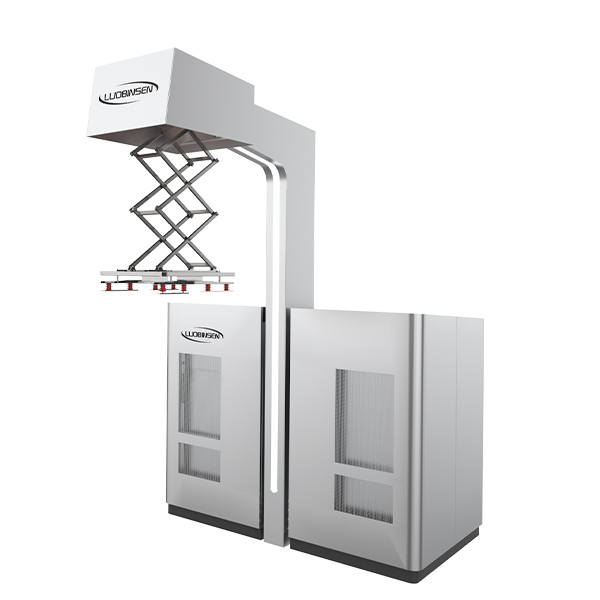
Let me walk you through what I’ve seen work, and what trips people up. I’ll keep it plain: a few numbers, a few real-world pains, and some straight talk. We’ll move from the problem to the fix — one step at a time, so you don’t end up paying twice.
Why traditional setups keep tripping operators
I’ll be blunt: many crews still rely on legacy pantograph charging solution designs that were never meant for today’s duty cycles. pantograph charging solution implementations often glue together mismatched parts — old current collectors, undersized power converters, and controllers that can’t cope with fast re-rates. The result? Poor contact quality, excessive arcing, and stressed busbars. Look, it’s simpler than you think: mismatched impedance and slow control loops breed faults. — funny how that works, right?
Technically speaking, the core problems are predictable. Contact wear rises when the mechanical alignment isn’t compensated by adaptive control. Voltage transients from crude switching hit the high-voltage busbar and magnify heating in connectors. And without finer telemetry — edge computing nodes or local diagnostics — faults are only noticed after they’ve caused service disruption. I’ve heard managers say “we’ll worry about that later.” That’s the trap: deferred maintenance morphs into bigger capital expense. If you want reliability, you need coherent design: robust current collectors, matched power converters, and feedback-driven control. In short: don’t ignore the small bits — they make big messes.
What’s the real snag?
Is it hardware? Often partly. Is it the lack of data? Often more. You need both better parts and smarter diagnostics to stop repeat failures.
Looking ahead: principles, choices, and how to judge them
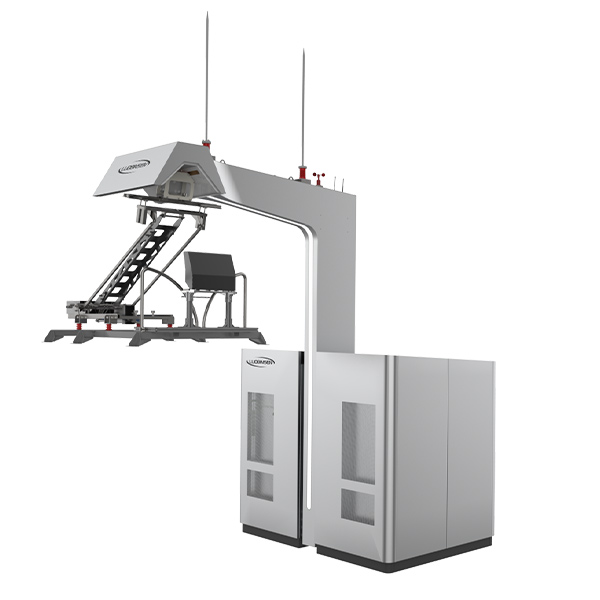
Now let’s shift gears and look forward. I’ve started testing systems that combine softer mechanical interfaces with fast digital control — and the improvements are tangible. New designs for pantograph ev charging (see link) pair improved contact geometry with active damping and predictive maintenance software. That combo reduces arcing, shortens dwell time, and lowers wear. I’ve watched a trial where mean time between failures doubled simply by adding adaptive control and better contact sensors — measurable wins, not smoke and mirrors.
When you’re comparing options, I recommend these three evaluation metrics — yes, three simple checks I use myself: 1) Contact reliability under varied alignment; 2) Response time of the control loop (ms-level matters); 3) Quality and accessibility of telemetry (can you get logs without crawling under the vehicle?). If a vendor can’t show you numbers on those, walk away. Also, consider system modularity — replace a worn current collector without taking the whole head down. It saves time and cash. — worth the thought, right?
Choosing smart — practical closing advice
To sum up: I’ve seen too many operators buy by price and later curse the downtime. Start with proven mechanics, demand matched power converters and clear telemetry, and test systems in real duty cycles before fleet rollout. Measure: contact life, control latency, and ease of maintenance. Those three metrics will save you far more than any shiny brochure promises. If you want a reliable partner with hands-on kit and data, check what Luobisnen is doing — I’ve seen their setups in action and they stick to the practical stuff that keeps services moving.
