


Introduction — a shop-floor scene, some cold numbers, and a question
I was standing by a lathe at dusk, coffee in one hand, tools in the other, watching a chip peel off like it knew the drill. In two sentences: CNC turret lathe work is where metal gets honest — fast, repetitive, precise — and the numbers back it up: shops running automated turning cells report cycle-time drops of 20–40% and scrap reductions that add up quick. (You feel that savings in payroll and parts.) So I gotta ask — are you getting the most from your turret, or is your setup ghosting productivity? I write from the floor, not an echo chamber, so I’ll lay it out plain. I’ll touch on controller quirks, spindle speed trade-offs, and why servo drives sometimes act like divas. This piece will walk you from a real-world scene into deeper faults and fixes — and yeah, I’ll call out what I’ve seen fail and what I’d pick instead — then map practical next steps. Ready? Let’s move on to the real pains under the hood.
Where the mini lathe turret still trips people up
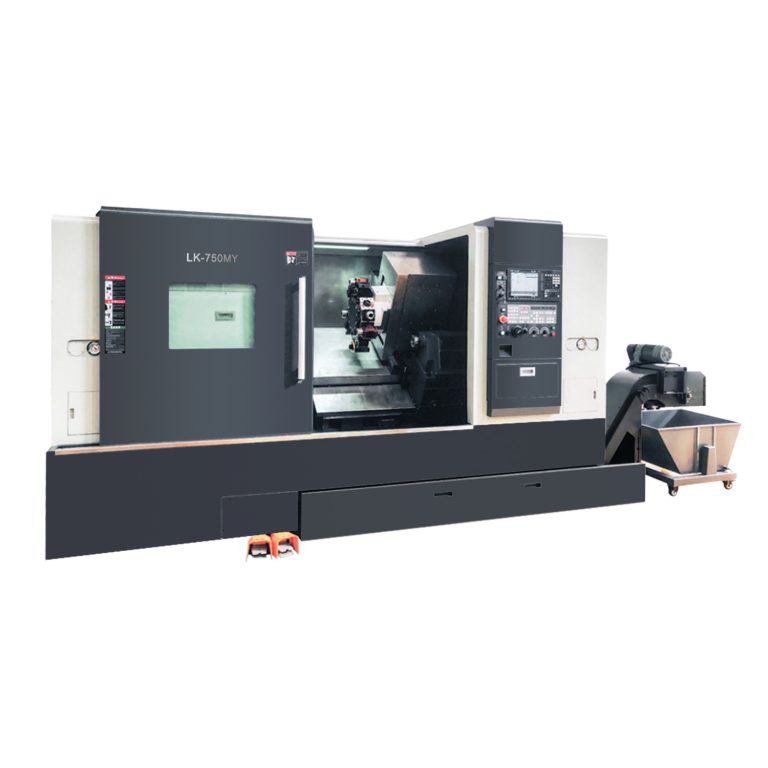
mini lathe turret — compact, neat, but often misunderstood. I’ve seen shops buy one for savings and then lose those gains to tiny, repeated problems. First, the tooling setup: weak clamping and poor turret indexing blow up tolerances. Second, control limits: older CNC controllers choke on complex profiles and slow the whole cell. Third, maintenance gaps: neglected power converters and spindle bearings quietly wreck uptime. Look, it’s simpler than you think — you fix the small stuff, you stop the big drop-offs. In my view, the real fault isn’t the turret itself; it’s the assumptions: that a compact machine will handle every job, that a single toolpath fits all materials, that edge computing nodes or on-machine sensors solve everything without shop processes changing. I’ve watched shops buy tech and then keep old habits — and the tech underperforms. Why? Because measurement is half-baked, feedback loops are missing, and operators aren’t looped into tuning the system. (We need better operator training — not just vendor demos.) So yes — mini turrets are great for small runs and quick turnarounds, but they demand attention to tooling, balanced spindle speed, and a clear control strategy. — funny how that works, right?
Why does this keep happening?
Because folks treat the turret like a black box. They don’t instrument the process. They ignore simple data (cycle logs, tool wear trends) and then blame the machine. I say: measure, adjust, repeat. You’ll save time and parts, and you’ll stop playing tech whack-a-mole.
Looking ahead: what smart turrets will really change (and how to pick them)
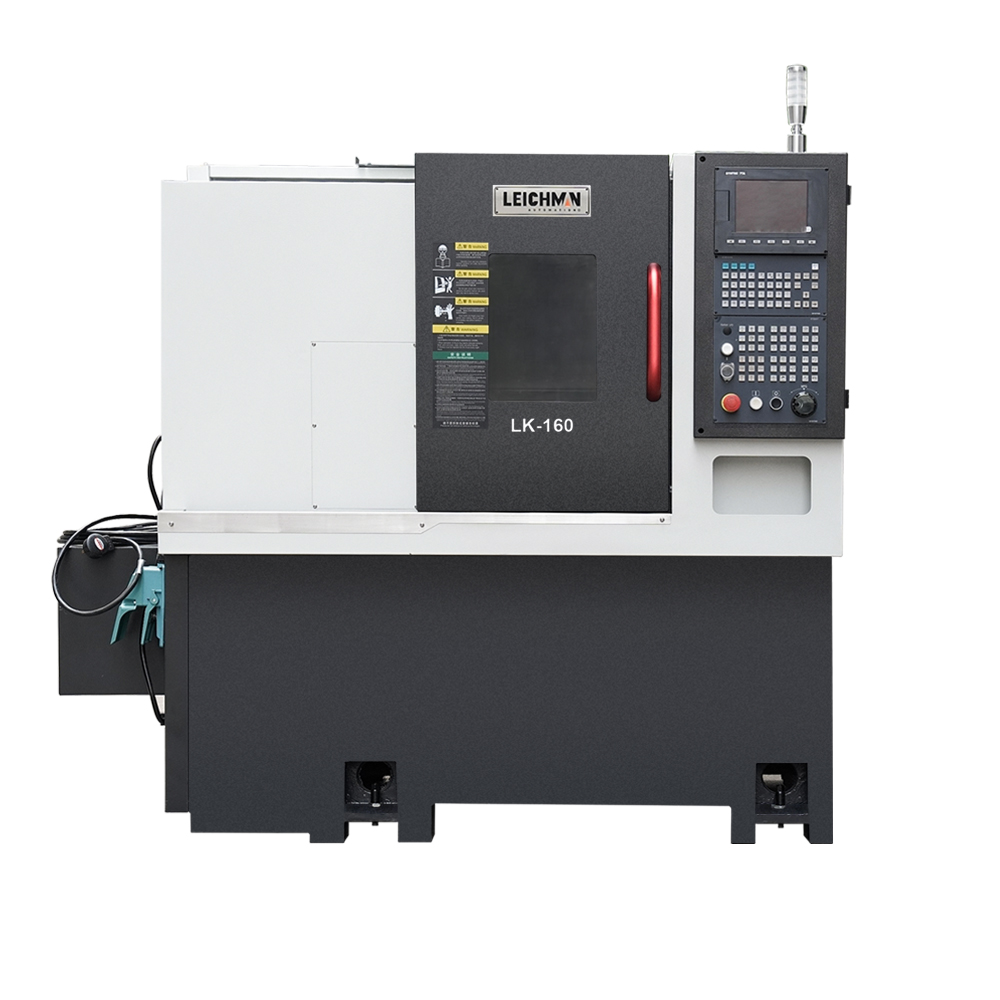
We’re not talking sci-fi. We’re talking real upgrades: smarter control algorithms, tighter integration between the CNC controller and tool turret, and better diagnostics that warn before things break. When a cnc lathe tool turret talks to your MES or even to edge computing nodes, you get live tool-life data, quick adjustments to spindle speed, and fewer surprise stops. I expect to see wider use of closed-loop servo drives and better power converters designed for duty cycles in turning work. In practice, that means fewer setups, faster ramp-up to tolerances, and more predictable maintenance windows. I’ve tested setups where a smart turret trimmed cycle time by 15% just by optimizing turret dwell and tool path sequencing. It’s not magic — it’s tighter integration and cleaner data flows. — and yes, that takes a little discipline on the shop floor.
What’s Next for shops?
Short answer: choose platforms that give you clear KPIs, not glossy dashboards. Here are three metrics I use when evaluating new turret solutions: 1) Mean time between adjustments — how often do operators tweak offsets? 2) Effective cycle time under real loads — not vendor demos, your parts. 3) Repair cost per machine-hour — factor in spare parts and downtime. If a solution improves these by measurable margins, it’s worth the switch. I’m practical: I want fewer surprises, fewer last-minute tool changes, and a steady output. In closing, I’ll say this plainly — invest where you can see the change. Don’t buy bells and whistles; buy what moves the needle in your shop. If you want to check credible kit, take a look at Leichman.
