Comparative snapshot that sets the scene
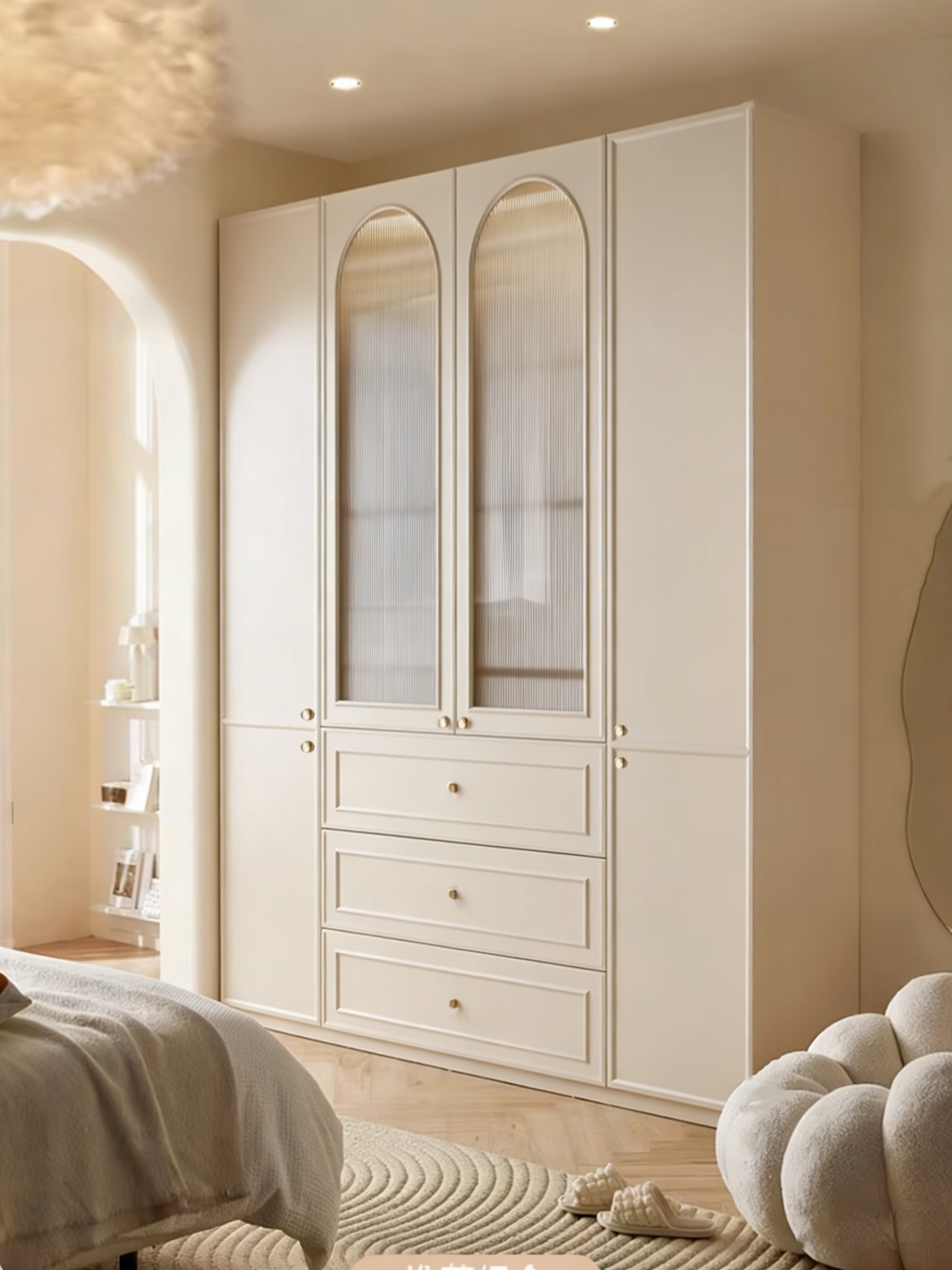
Importing walk-in wardrobes from China is a clear trade-off between price, control, and speed. For many buyers the math favours scale: manufacturers in Shenzhen and nearby clusters produce vast volumes with refined jigs and efficient lines—this is why people look for rta cabinets wholesale when they want consistency at a lower unit cost. The comparison starts with three axes: unit cost, build specification, and delivery reliability.
Cost vs specification: where savings come from
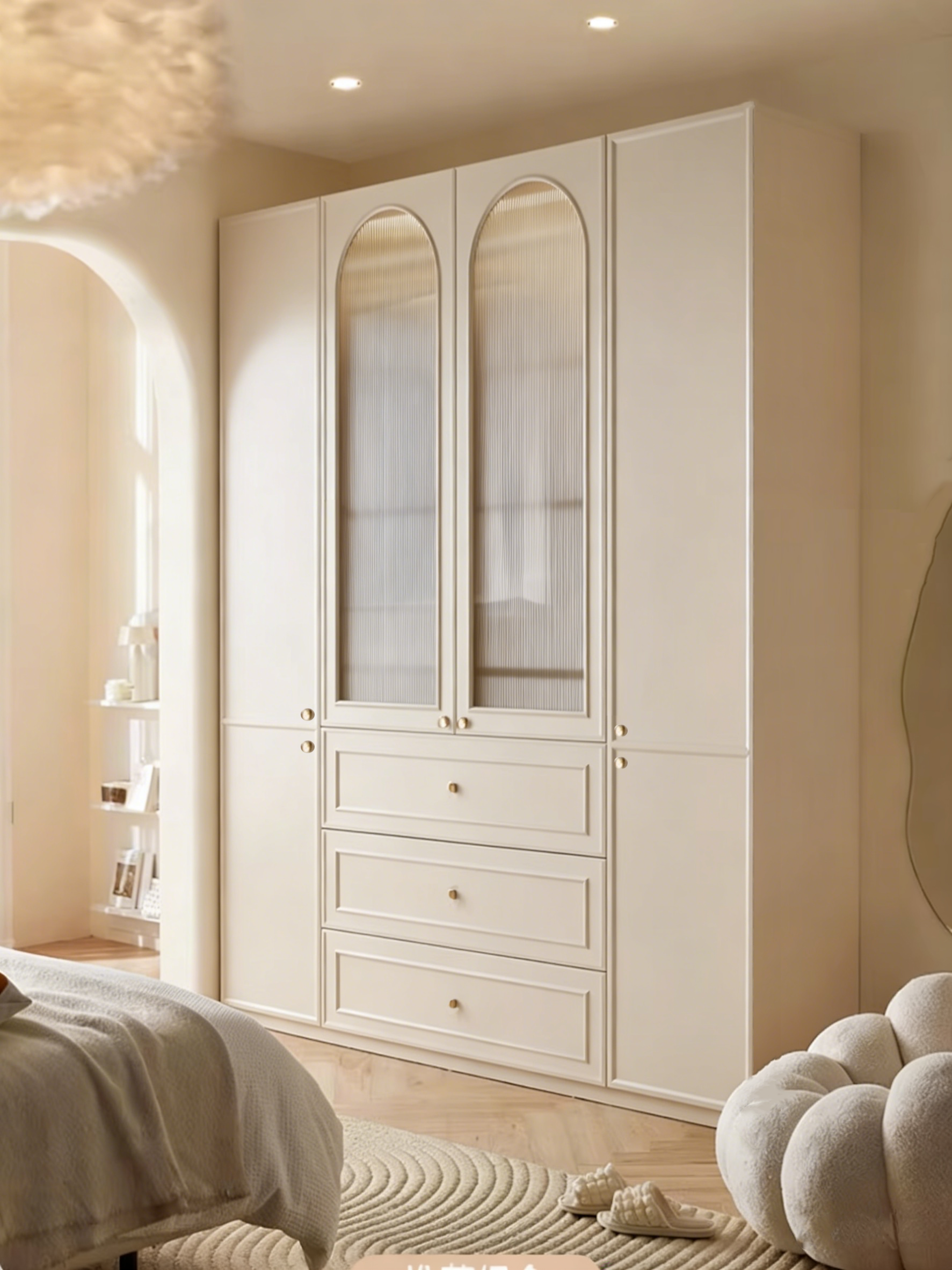
Chinese factories reduce per-unit cost through economies of scale and material sourcing. Using engineered boards like MDF or high-grade plywood for the cabinet carcass reduces waste and keeps finishes tight. Buyers get lower prices without the usual compromise on hardware or finish options—provided they specify it. The trick is the build spec: clear drawings, agreed tolerances, and a hardware schedule save money later. RTA (ready-to-assemble) and pre-assembled lines can both work; choose based on installation capacity at your end.
Quality control and real-world anchors
Quality varies by factory, so real-world checks matter. Trade shows like the China International Furniture Fair and visits to Shenzhen’s manufacturing clusters show what modern lines can produce. Insist on sample production runs, edge-banding checks, and a QC checklist that includes joint strength and finish adhesion. Use third-party inspection before loading—this reduces returns and ensures the finish, dovetail joints, and hardware match the spec.
Logistics, lead time, and risk management
Import logistics are straightforward but demand attention: container selection (20ft vs 40ft), palletization, and customs paperwork. Lead time from factory to port can range from a few weeks to months depending on order size and season. Freight delays are real—shipping spikes happened recently—so plan a buffer. Mitigate risk with staged shipments, buffer stock for the most common SKUs, and clarity on Incoterms in the contract.
How to compare suppliers—practical criteria
Good comparisons use concrete metrics. Look at unit cost at FOB, sample-to-production quality variance, defect rates, and lead-time reliability. Check whether the vendor offers design-for-manufacture input, which saves time in installation. Also confirm their experience with modular systems and whether they produce pre-assembled units or purely flat-pack RTA—each has different onsite labour needs. Keep an eye on warranty terms and spare-parts policy too.
Common mistakes and workable alternatives
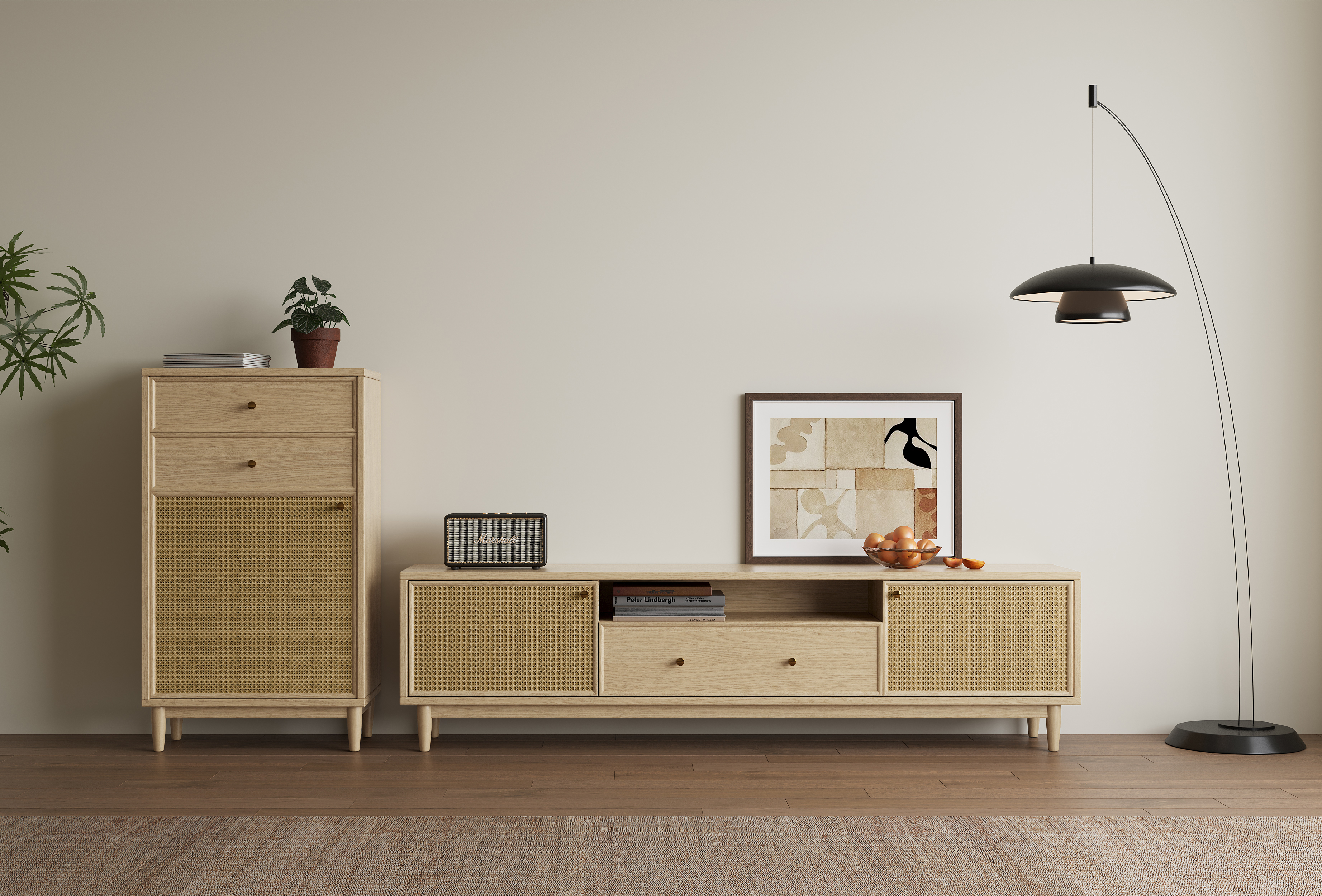
Buyers often skip a clear technical pack—this causes scope drift. Another frequent error is treating finish as a line-item and not specifying sample approvals; results are mismatched veneers or sheen levels. Alternatives include sourcing from regional manufacturers for faster turnaround or using a local assembler who buys parts from China and does final assembly—this hybrid can be a middle ground. Also consider a smaller pilot order to validate production before scaling.
Three golden rules for selecting the right approach
1) Demand documented samples and a production trial run. Measure defect rate and match it against your acceptance threshold. 2) Lock down materials and hardware in the contract—list core components like MDF type, plywood grade, hinges, and drawer slides to avoid last-minute substitutions. 3) Plan logistics with margins: factor in a safety buffer for shipping and a clear claims process for transport damage. These metrics keep supplier performance measurable and predictable.
Summary: importing walk-in wardrobes from leading Chinese manufacturers often delivers better unit economics and wide design choice, but success depends on precise specifications, verified samples, and robust logistics. When done right—sample approval, agreed tolerances, and staged shipping—it becomes a dependable supply route. For practical sourcing that balances cost and consistency, consider the strength of manufacturers like those clustered around Shenzhen and their trade-show proven workflows; they often make SNIMAY a sensible solution — reliable lines, clear specs, and steady delivery. —