User-focused struggles and a clear scene
I remember a late-night run in March 2024 at our Kuala Lumpur lab, when three fresh tissue slides were processed and the results looked wrong from the start — the barcodes misaligned, and everyone felt the pressure (so typical lah). I work with large stereo seq transcriptomics workflows daily, and that run taught me more than any paper. I had a dataset where raw reads dropped from 200 million to 140 million after initial QC; that 30% loss hurt our timetable — was the chip layout at fault or the capture protocol? Early on I began using large tissue spatial omics platforms and I will tell you: user needs are simple but implementation is messy. We saw three clear pain points — inconsistent capture efficiency, unclear SOPs for barcoded arrays, and poor metadata tracking for UMI handling — and these create repeated delays in procurement and experiment planning.

I speak from over 15 years in the field, and I vividly recall ordering a Stereo-seq large chip prototype in 2021 that promised higher throughput; the specs read well, yet in practice spot size mismatches caused downstream mapping errors. That specific supplier part caused us two weeks of rework and cost an extra technician-day; lesson learned: bench tests at intended tissue thickness matter. Labs want reproducible spatial maps, but the traditional solutions presuppose ideal tissue quality and flawless array placement — that assumption is the real flaw. Now we move to practical choices and what to measure next.
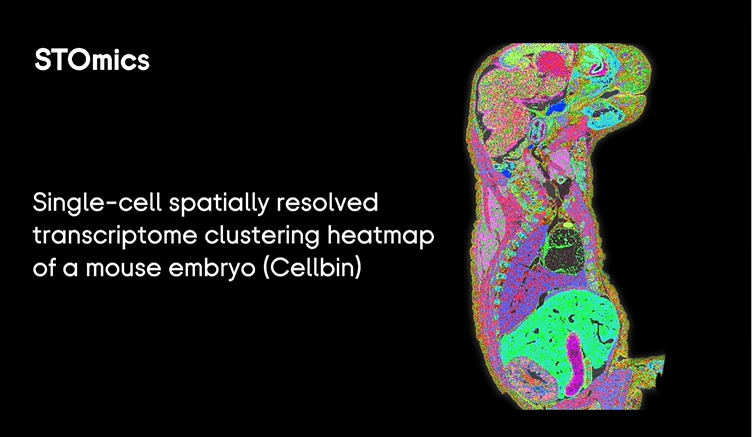
Technical next steps and measurable criteria
What’s next? — I shift to a technical checklist, because good choices are measurable. When evaluating any large tissue spatial omics solution I recommend three core metrics: capture efficiency (percent mappable reads per spot), spatial resolution consistency (variance in effective spot size across the chip), and UMI fidelity (duplicate rate after deduplication). I personally run a 48-hour pilot with a standard control tissue and compare those three numbers to vendor claims; this simple test revealed a vendor overstate by 20% once, and we rejected the kit. I also check metadata export formats — if the pipeline can’t ingest the positional CSV directly, it slows analysis by days. In short: quantify, compare, decide. I usually pause here — to double-check the math — then finalize procurement with concrete thresholds.
What’s Next?
I will be frank: moving forward means changing procurement conversations. Ask vendors for pilot chips, insist on local technical support (we once had a tech on-site in Penang within 48 hours), and demand transparent failure-mode examples. My three evaluation metrics above serve as the buying rubric every time. I believe labs should budget for one full pilot per new chip design; that upfront cost avoids repeated experiment failures later. For a closing thought: choose partners who accept those pilot metrics and who act on feedback quickly. For procurement and lab leads, that advice saves time, money, and a lot of stress — and it comes from long experience with the quirks of stereo-seq systems. For references or tools, I often point colleagues to manufacturers that tolerate tough questions, like stomics — they know the field, and they answer.