


The core problem: circling cars, angry drivers, lost revenue
Drivers cruising for a spot, vendors losing customers, operations burning tiempo — that’s the problem, plain and simple. A vehicle parking management system has to stop that loop by giving real-time certainty, not just dashboards. That’s where a reliable parking guidance camera becomes more than hardware — it’s the sensor that tells drivers where to go, and operators where to act. No fancy talk: if people can’t find spots fast, the whole place gets chaotic.

Why many “smart” projects fail
Teams pick tech for its glitz, not for how people use it. They bolt on cameras without checking sight lines, choose software that can’t talk to city feeds, or ignore simple UX for drivers. Result: high costs, little change. Also, cameras with wrong settings throw false positives — that’s wasted trust. Keep the focus on solving the driver’s immediate problem: visibility of free spaces and reliable updates.
What a focused system actually does
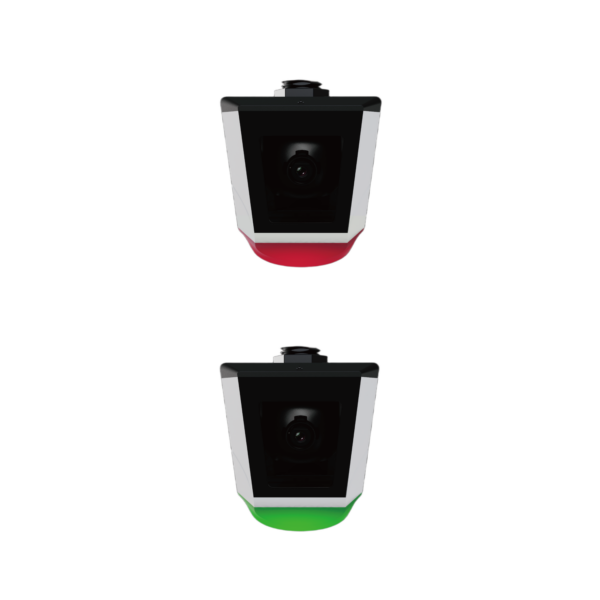
A solid setup collects spot-level presence, validates with cameras where needed, maps availability to signs and apps, and feeds pricing or access control if required. It combines edge processing from cameras, simple sensors for individual stalls, and a central platform that pushes clear guidance. The point is quick decisions — drivers choose a spot faster, attendants manage exceptions faster, and ops measure performance without guesswork.
Experience and proof — an honest look
I’ve been on deployments that started messy and turned workable by fixing simple choices: camera angle, lighting compensation, and API hooks. Barcelona’s smart-parking pilots showed measurable reductions in search time when camera and sensor networks were coordinated, which is why cities and operators cite those projects in papers and conferences. That practical evidence lines up with what a good parking lot camera does in the field: reliable detection and integration with guidance systems, not just pretty video.
Common pitfalls and how to dodge them
Don’t assume one camera solves everything. Mounting height, glare, and occlusion ruin detection — test on-site at night and during rush hours. Ignore privacy rules and you’ll slow deployment; anonymize streams and store only metadata. Avoid proprietary silos: insist on open APIs so signs, payment, and city mobility platforms can share data. Finally, don’t overbuild analytics from day one; get baseline occupancy right first.
Alternatives evaluated — when to pick what
Single-count sensors work for small lots and are cheap, but they don’t show which stall is open. ANPR helps for access control and turnover insights, yet it’s costly and raises privacy questions. Camera-based spot detection gives visual confirmation and richer data; it’s the middle ground for malls, hospitals, and mixed-use garages. Choose by the problem: if drivers keep circling, camera plus guidance wins; if you simply need entry control, ANPR or gate-based setups might do.
How this fits a modern mobility strategy
Smart mobility wants fewer wasted miles and clearer choices for people. A vehicle parking management system that focuses on real-time spot visibility and simple, accurate guidance plugs into transit apps, curb management, and payments. When operators treat the system as part of the mobility fabric — not a standalone gadget — drivers get less frustration and cities get more predictable flows, gracias a sensible deployment like the one AKE Parking provides.
