Why Comparative Insight Matters Now
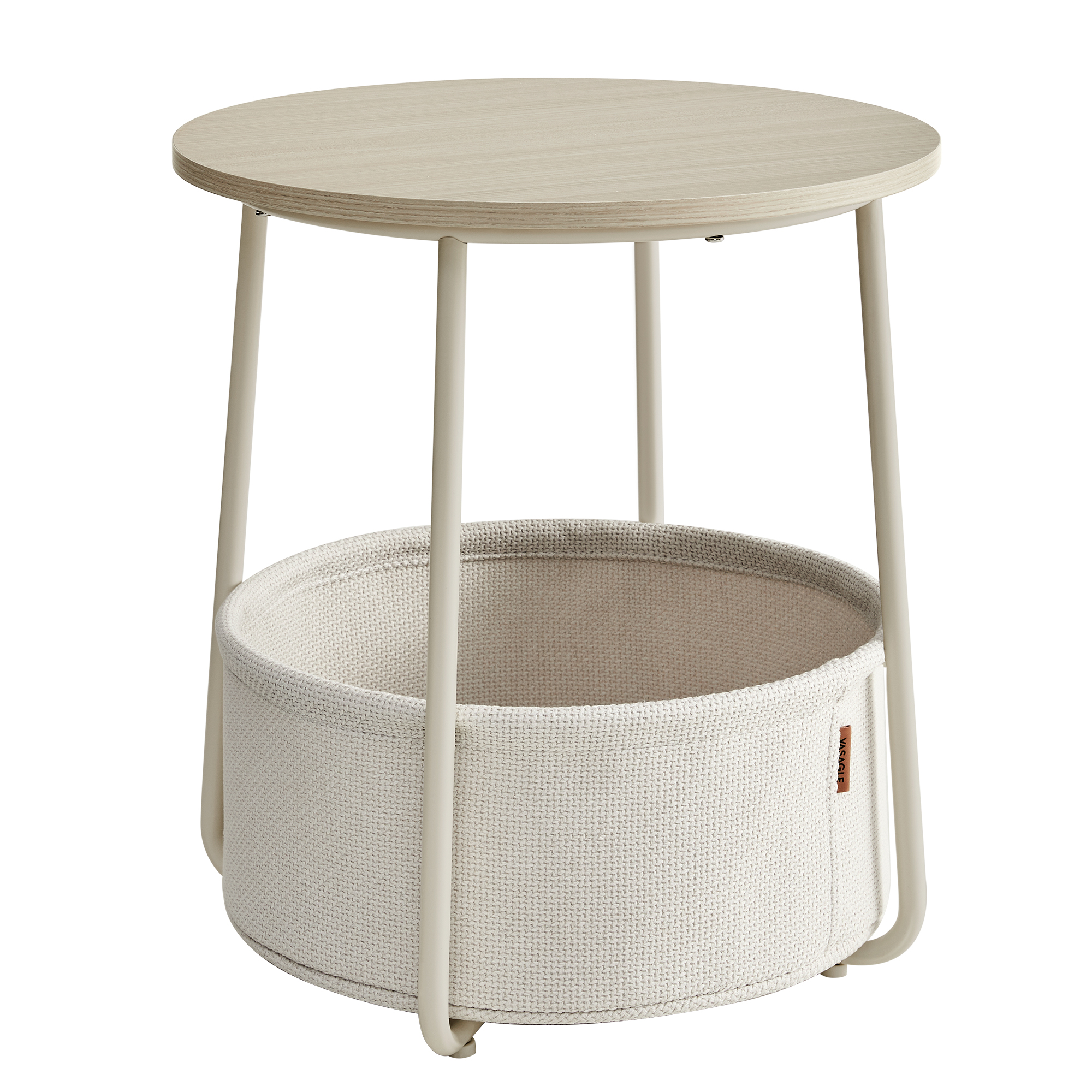
Comparative engineering is the practice of evaluating materials, joints, and logistics side by side—under the same constraints—to learn what actually works. For end table manufacturers, that clarity can be the difference between guesswork and repeatable results. Picture a small factory floor: two prototypes, one with CNC routing and a laminate press, another with solid-wood joinery. Lead times swing by weeks, costs see-saw, and defect rates creep up. Reports across the furniture sector show double-digit variability in supply chain latency and a stubborn 3–5% return rate. Choosing an end table manufacturer that measures those gaps in real time can cut both. So here’s the question: if the data is there, why stick with intuition? (Because it feels faster—funny how that works, right?) The industry’s next step is to connect the dots, from bill of materials to final finish, using simple dashboards and a tighter feedback loop. Let’s move from hunches to side-by-side facts, and see what that unlocks next.
The Hidden Friction Your Buyers Keep Quiet About
What are we missing?
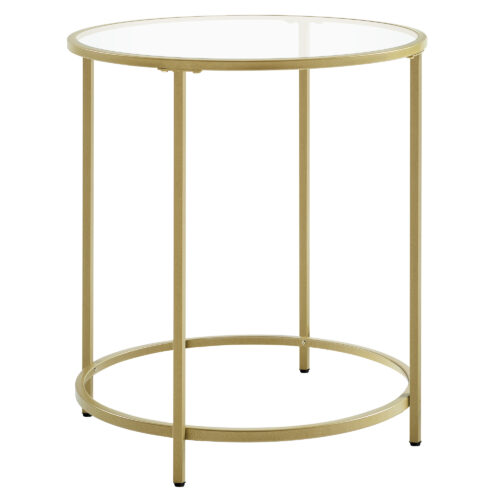
Look, it’s simpler than you think. People rarely complain about a table that “almost” wobbles—they just don’t buy it again. The hidden pain points live in the quiet spaces: finish wear after a month, chargers that run hot because of weak power converters, tops that scratch under a laptop stand, or legs that lean due to tolerance stack-up from mixed hardware. The typical fix is to add weight, thicker veneer, or extra brackets. But that raises cost and complicates SKU rationalization. A better path compares the full stack—fasteners, coatings, and assembly sequence—under the same loads. When an end table manufacturer tests those variables in parallel, you see where the BOM drifts and where time is wasted.
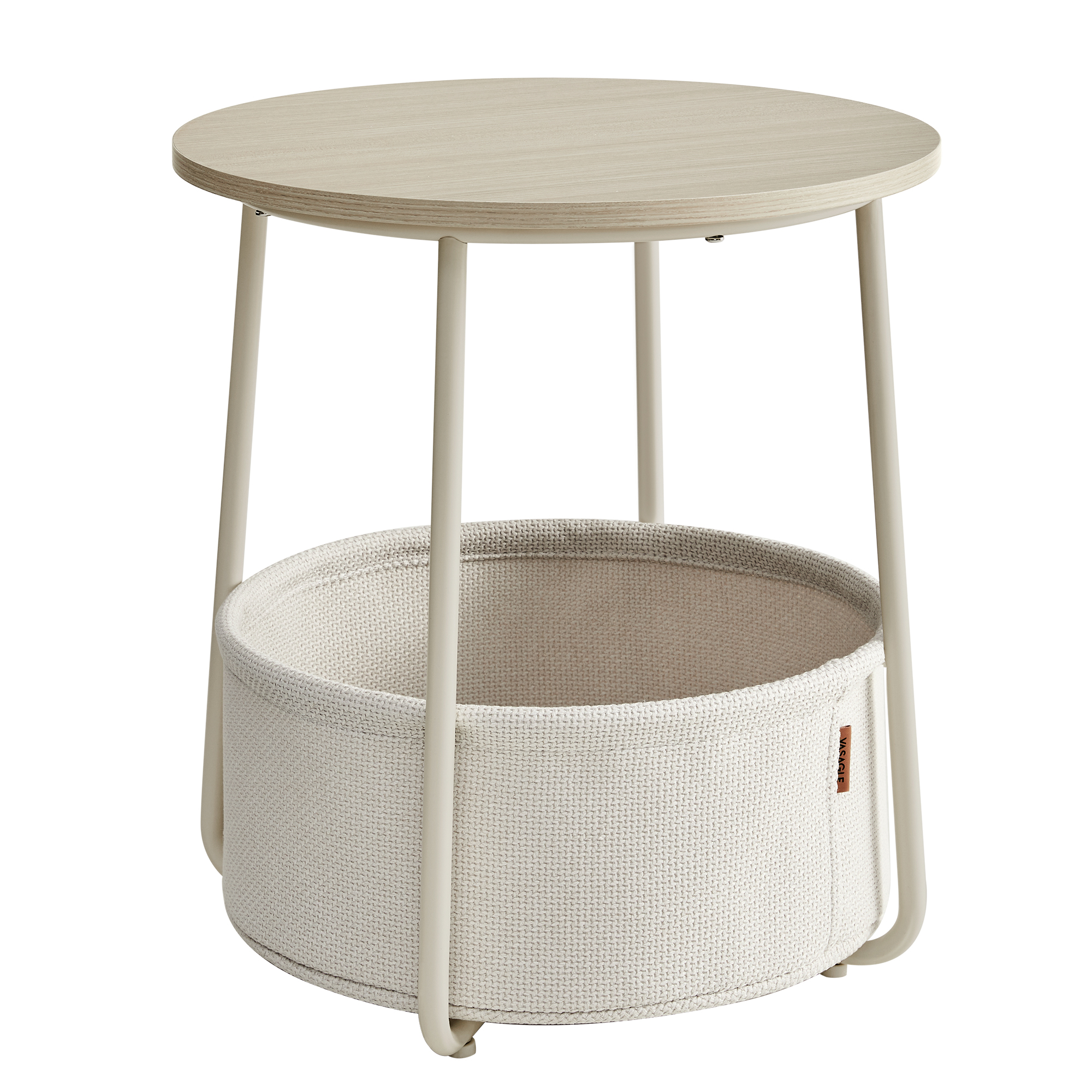
Traditional QC catches outliers; it rarely exposes patterns. Side-by-side sprints do. Rotate one factor at a time—pilot holes, leg angles, or cable routing for embedded power converters—and log outcomes at the edge (via simple edge computing nodes on the line). Compare defect rates over 50 builds, not five. Then roll the learning into standardized fixtures or a revised drilling map. The result is fewer micro-failures, less noise on support lines, and fewer returns—without overbuilding the product. That’s the quiet win customers actually feel when they unbox.
From Bench Tests to Scalable Wins
What’s Next
Here’s the technical shift: apply new-technology principles to make comparative tests routine, not heroic. Start with lightweight sensors on jigs to track torque, wobble, and surface abrasion; push readings to local edge computing nodes; and flag drift before it becomes fallout. Then, pair the data with a simple ruleset: if torque variance exceeds X, update the drill bit, not the leg spec. You’re standardizing behavior, not just parts. In one case, a small shop swapped a 3-step sanding sequence for a 2-step pass plus a tougher topcoat. Same labor hours, 28% fewer scratch complaints—funny how that works, right? For mixed batches like a wholesale end table run, comparative engineering also tames chaos: match fasteners across finishes, control BOM variation, and lock down fit before scale.
As you weigh options, think forward, not just backward. Compare joinery that resists seasonal movement against the cost of returns; test cable channels that reduce heat build-up near power converters; and benchmark assembly times with and without pre-aligned inserts. Summing up the lessons so far: hidden pain points are small, but repeated; traditional fixes add weight and cost; and data-led comparisons show which constraint actually matters. To choose solutions wisely, use three simple evaluation metrics: 1) Stability-to-weight ratio across 50-unit pilot builds; 2) Finish durability score after standardized abrasion cycles; 3) Assembly cycle time at takt, including rework minutes. Keep it semi-formal, keep it measured, and keep it human. In the end, better tables mean fewer headaches on the line—and fewer letdowns in the living room. SONGMICS HOME B2B