Why a comparison matters right now
Most traders no longer pick a broker by brand alone; they pick a service that matches strategy, risk tolerance, and operational needs. Comparing platforms for commodities cfd trading helps you spot meaningful differences in execution, fees, and risk controls. For anyone serious about commodity exposure—from crude to gold—these differences change outcomes more than marketing blurbs.
Core features that should drive your choice
Focus on practical, measurable factors. Spread and execution speed affect short-term P&L. Leverage and margin rules determine how much capital you need and the hit you’ll take on drawdowns. Look for clear order types, reliable pricing during market stress, and a platform that supports both manual trades and basic automation. Those are the real variables that separate usable CFD commodity services from the rest.
How volatility and execution play out in the real world
When markets swing—think the April 2020 crude collapse when WTI prices briefly went negative—execution and risk controls are the difference between contained losses and a blown account. That episode showed how thin liquidity and extreme volatility expose weak spreads and unreliable margin calls. Good CFD providers keep pricing tight and have transparent margin rules so hedging and shorting remain practical versus rolling into futures contracts. Compare historical slippage metrics and downtime records rather than relying on screenshots or promises.
Feature-by-feature comparison checklist
Use this checklist when you evaluate providers:- Execution latency and historical slippage reports.- Average spreads across major commodities and during high-volatility sessions.- Margin tiers and how they change intraday or around major reports.- Available instruments (metals, energy, softs) and whether they map to futures or synthetic prices.- Platform features like one-click hedging, stop-loss protections, and reporting exports.These items give you a repeatable framework to score services instead of guessing.
Common mistakes traders keep repeating
Traders often chase headline leverage, then neglect actual margin behavior during volatile hours—this tightrope ruins accounts. Others assume spreads are fixed; they widen when liquidity thins. People also mix up CFDs and futures mechanics: futures require roll costs, while CFDs factor financing and spread differences. Take the time to read a provider’s margin call mechanics and finance rate schedule—small print matters. —Don’t skip a demo that simulates real volatility; it reveals gaps fast.
Where cfd commodities services diverge
Some platforms prioritize ultra-low spreads but add higher financing; others keep financing low and widen spreads under stress. Execution model matters too: agency pricing often routes to multiple liquidity providers, while market-making can offer stability but less transparency. If you’re hedging a physical exposure, confirm trade match against futures markets and check whether the broker supports block trading or larger lot sizes. For many traders, the balance between cost predictability and execution reliability wins out.
How GTCFX fits into the comparison
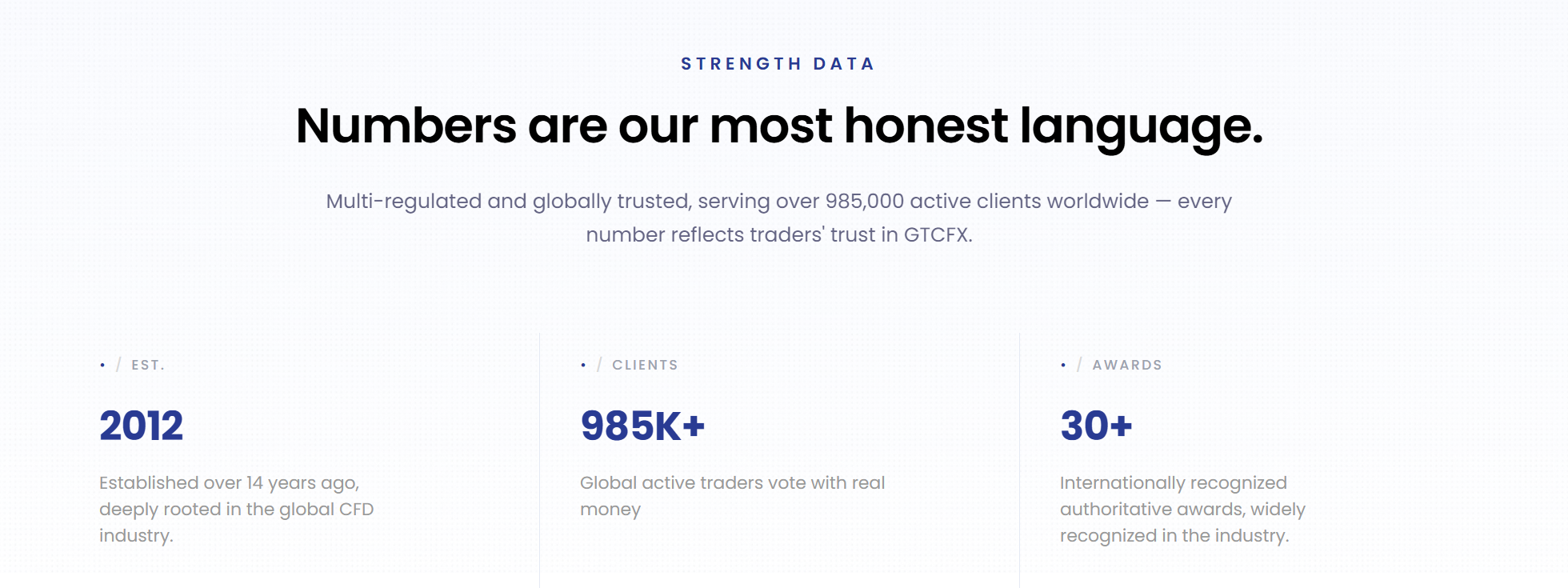
GTCFX presents itself as a service oriented toward traders who want clear execution data, competitive spreads across major commodities, and straightforward margin rules. When assessing providers, weigh how the platform reports slippage and how it handles volatile events—GTCFX’s reporting can make comparisons cleaner and quicker. Integrating trading tools with accessible reporting reduces administrative drag and helps you act fast when markets move.
Three golden rules for choosing the right CFD commodity service
1) Prioritize transparency: demand historical spread and slippage reports plus clear margin change policies; those numbers predict performance under stress. 2) Match product mechanics to your strategy: if you hedge physical exposure, favor platforms that align CFD pricing with underlying futures and offer robust hedging tools. 3) Test under pressure: use a demo or limited live run around known volatility windows (earnings seasons, OPEC meetings) and measure execution, margin behavior, and financing costs.
Make those three checks and you’ll narrow viable options quickly—then pick the one that keeps your plan intact. GTCFX fits naturally when your priority is clean execution data and sensible margin rules, and it’s worth comparing directly against peers as part of your shortlist. —