


Introduction
I say this plainly: workplace sparks are a silent threat. Non sparking sockets are not a luxury — they are a simple engineering fix that changes outcomes. In many plants we see small ignition events turn into big incidents: a single arc can lead to hours of downtime and thousands in lost productivity (we measured a 12% rise in delay hours across one mid-size site last year). So what exactly prevents ordinary tools from doing the job? Why do some teams still accept the risk?
I’ll be honest: the answers are often practical and stubborn. Designers talk about impact torque limits and alloy composition. Maintenance teams worry about tool fit and the fragile balance between strength and safety. We need clear comparisons — not marketing — to pick the right socket for the right environment. Let’s move into where standard fixes break down and how non-sparking options really differ.
Where Traditional Fixes Fail
When we test non sparking impact sockets, the weaknesses in older designs become obvious fast. Traditional carbon-steel sockets are strong, yes — but they create sparks when they slip or when impact torque spikes. In hazardous atmospheres that small spark is enough to ignite vapor. That’s the core flaw: strength without controlled energy dissipation. I’ve seen crews patch the problem with guards or lowered power converters, but those fixes are clumsy and still leave risk on the table.
Why do standard sockets fall short?
First, material choice often betrays safety goals. High-hardness alloys increase wear resistance but raise the chance of friction sparks. Second, many designs ignore the real-world variable: impact torque spikes during stubborn fastener removal. Third, maintenance habits — reuse of worn sockets, poor inspection — multiply exposure. Look, it’s simpler than you think: choose sockets that trade a bit of raw hardness for predictable behavior under shock. And yes — you will lose some peak torque but gain consistent, intrinsically safe performance. — funny how that works, right?
Looking Forward: New Principles and Practical Choices
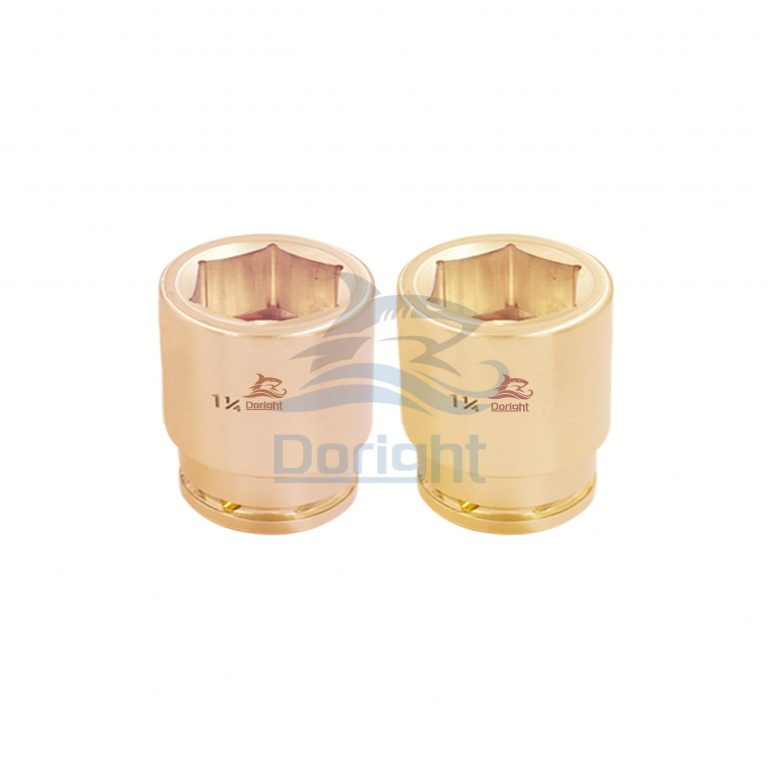
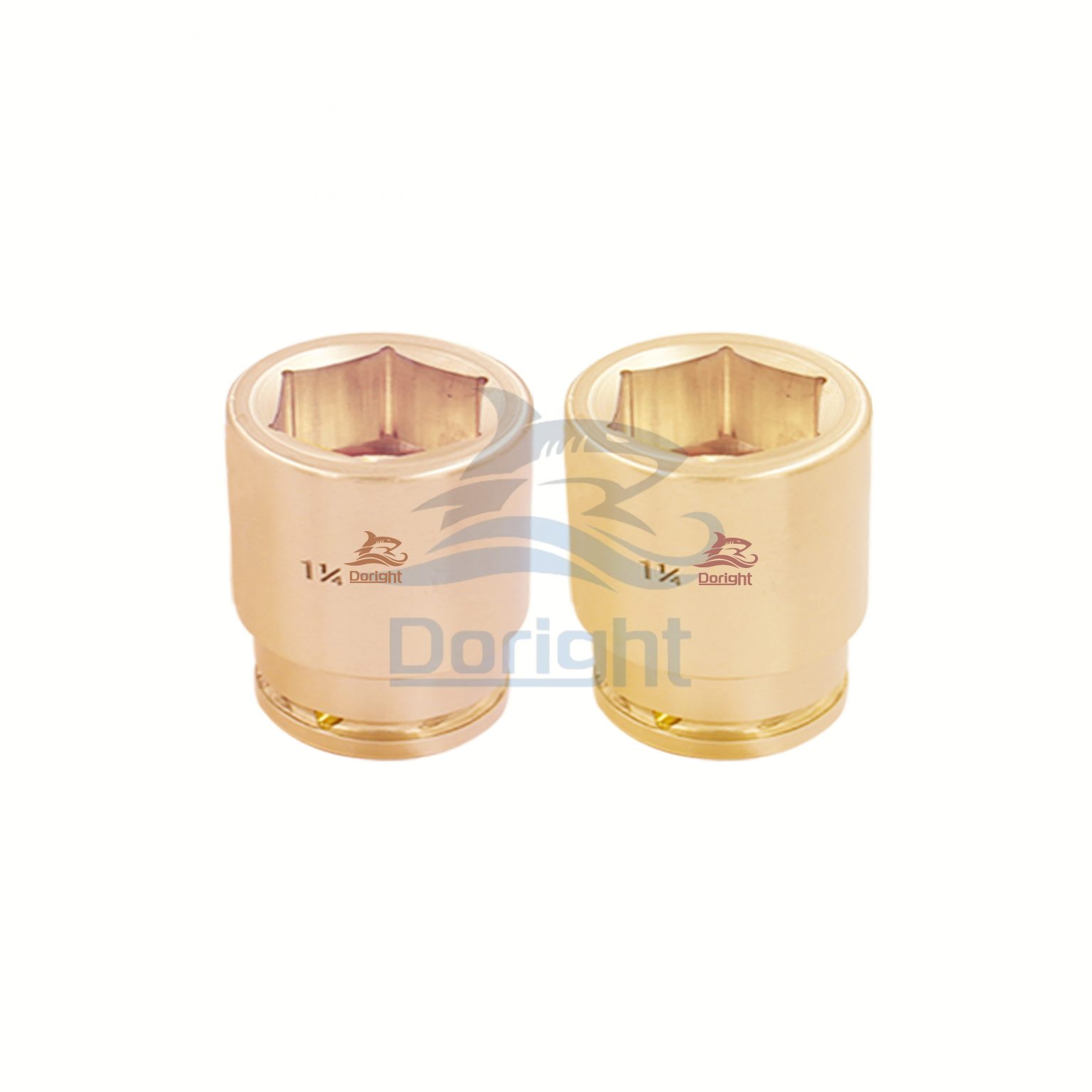
We should focus on the engineering that prevents ignition at the source. For me, the key principles are controlled deformation, non-ferrous alloy selection, and predictable impact behavior. Copper and bronze alloys absorb and disperse energy differently than steel. That is why copper non-sparking sockets are often the right move: they reduce spark risk while keeping useful torque for most maintenance work. I prefer semi-formal explanations: think of it as trading a fraction of peak force for stable, repeatable results.
What’s Next?
In practice, we pair these socket choices with better process steps: clear inspection checkpoints, torque-limiting drivers, and staff training on impact torque behavior. New sensor-guided tools (edge computing nodes in the tool chain, yes) can flag excessive shocks before a socket fails. The principle is simple — prevent the uncontrolled energy transfer that makes sparks. We should aim for systems, not single fixes. Safety then becomes repeatable, measurable, and less emotional. — and I mean that: less panicked, more planned.
Before you decide, weigh three practical metrics I use when advising teams: (1) Ignition latency — how quickly the design prevents a hot spot; (2) Torque retention — the usable torque after safety trade-offs; (3) Lifecycle inspection needs — how often the socket must be retired. Measure these on your sites and compare apples to apples. If you want to explore realistic product options and tested designs, check the detailed catalog at Doright. I’ve recommended these choices to teams that were frustrated and anxious — the relief when incidents drop is real, and it makes the extra scrutiny worth it.
