


Introduction: A workshop moment, numbers, and a question
I once watched a small factory buy a machine that looked perfect on paper but stalled within months — that scene stuck with me. As I dug in, I realized the issues started before the purchase: unclear specs, mismatched expectations, and the wrong supplier fit. The role of a reliable wet wipes machine manufacturer is more than selling metal and motors; it’s about matching process needs to machine design. Recent industry checks show up to 30% of early-life failures trace back to specification errors or poor commissioning (yes, those are avoidable). So what should you actually look for when you’re choosing a machine partner — the one that won’t leave you stranded on day 45 of production? Let’s walk through what I’ve learned, step by step, with real talk and a few hard lessons I paid for myself. — keep reading; I’ll show you the practical bits next.
Traditional Pitfalls and Hidden User Pain Points
First, let me be blunt and technical: the wet wipes machine itself isn’t usually the sole problem. It’s how specifications meet reality. Many teams treat the machine like a black box. They sign off on capacity numbers and move on. That’s a mistake. From my hands-on work, failures often start with poor control integration—mismatched PLC logic or old servo drive settings that never get tuned for your web tension. You also see simple mechanical mismatches: a roll unwinder that can’t handle the parent roll weight or sensors placed where lint blinds them. These are tangible flaws you can find early if you ask the right questions. Look, it’s simpler than you think: map materials, speeds, and downtime costs before you pick hardware.
Why do old approaches fail?
Here’s a direct take: legacy specs assume “standard” materials and steady operators. Reality is messy. Users switch substrates, formula viscosity shifts, and operators vary in skill. Those real-world variables reveal hidden pain points—slow changeovers, frequent sensor faults, and suction or sealing problems you didn’t budget for. I’ve seen teams blame production staff when the machine needed a different roll unwinder or a better tension controller. We must anticipate change. Add basic diagnostics, ask about spare parts for the servo drive and PLC, and specify reachable service support. If the vendor can’t explain failure modes in plain language, put the proposal aside — that’s a red flag.
Future-Proofing: New Technology Principles and Practical Metrics
Moving forward, I favor pragmatic tech upgrades over flashy claims. New principles center on modularity and smart sensing. For a modern wet wipes machine, think modular feed systems, edge computing nodes for local data capture, and adaptive control loops that learn basic patterns (not full AI hype — keep it realistic). These choices let you swap a roll unwinder or upgrade a sealing head without replacing the whole line. They also cut downtime because diagnostics are local and fast. — funny how that works, right? I’ve helped teams reduce downtime by adding just two smart sensors and a simple HMI change. That kind of step is affordable and high-impact.
What’s Next: Practical steps and metrics
Now for something concrete: when you evaluate suppliers, I recommend three clear metrics. First, Mean Time To Repair (MTTR) with real examples—ask how quickly a faulty servo drive or sensor replacement was done on past installs. Second, Changeover Time for your actual SKUs—measure it in minutes, not theory. Third, Support Responsiveness: average first-response time and whether remote support (and spare parts) are regional. These metrics beat marketing claims. When I compare vendors, I make them show recent case logs or let me visit a running line. That tells me more than glossy brochures. Also, check power converters, spare PLC modules, and spare sensors availability — small parts matter.
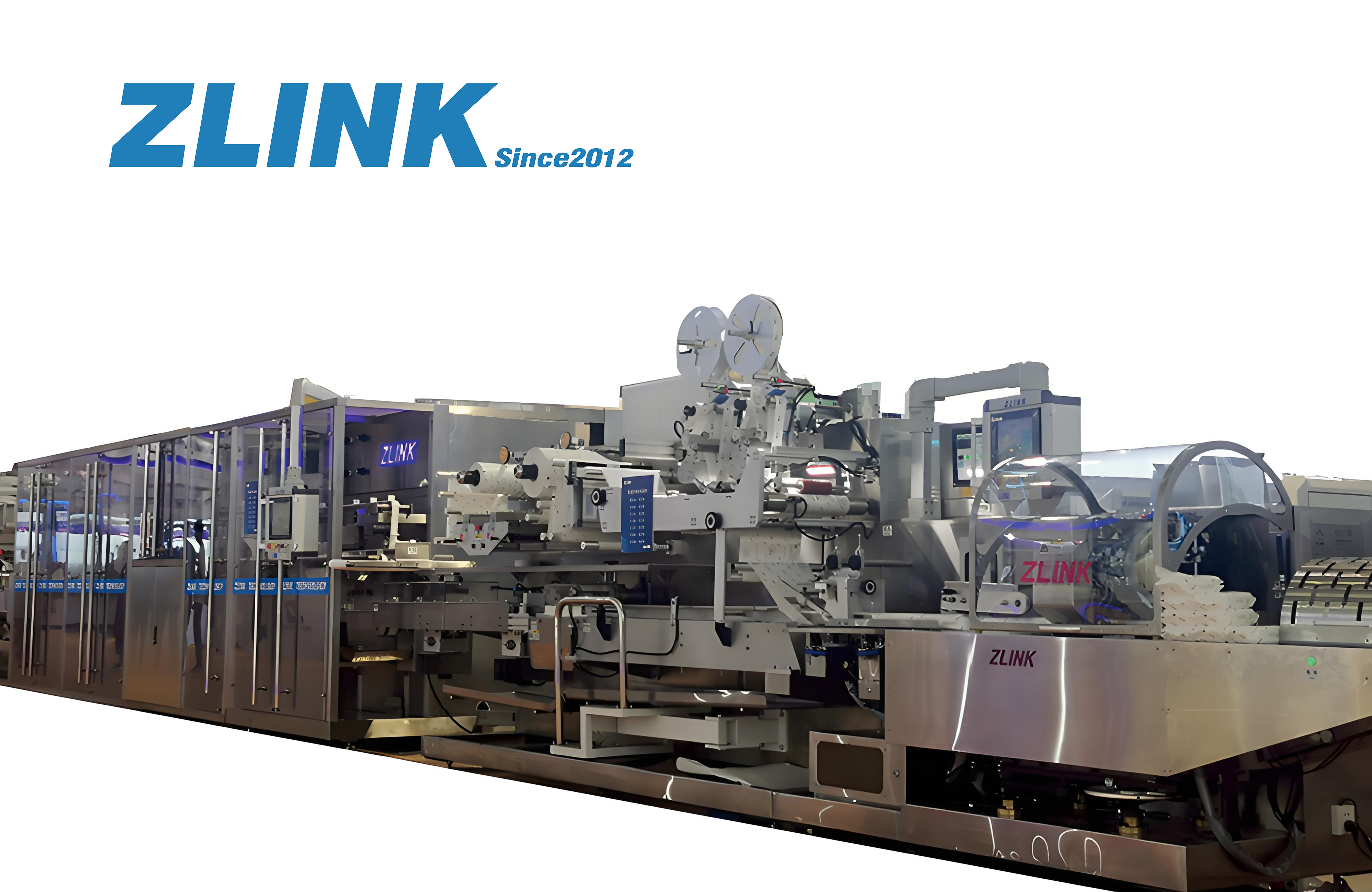
In closing, I’ll keep it plain: choose a partner who speaks your language, shows real service proof, and designs for change. If you do that, you’ll avoid the common traps I’ve seen plenty of times — and sleep better. For practical, hands-on partners who understand these realities, I trust ZLINK.
