


Introduction: A Question That Starts Close to Home
Have you ever wondered whether the gadget promising faster recovery and clearer skin is actually doing the work it claims? In my clinic and at home I’ve seen a lot of interest in the red light bed, and I keep asking the same skeptical question: are the results real, or just warm feelings? (People talk about sessions like they’re magic — and sometimes they are, but not always.)
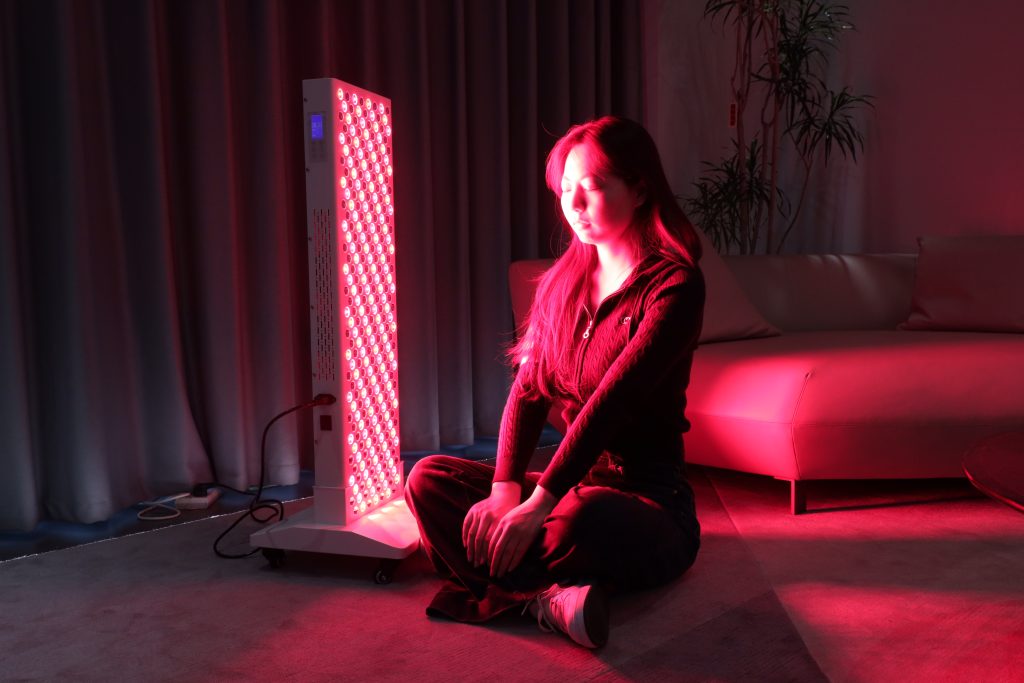
Here’s a simple scenario: someone buys or uses a session on a light therapy platform, feels a mild improvement, but then stops seeing gains. Clinical notes and customer feedback often show mixed outcomes, and the data can be noisy — different wavelengths, power settings, and treatment times make apples-to-oranges comparisons. So what should a user or clinic leader actually look for when judging value? I’ll walk through the practical signals, the common technical flaws, and what matters when you compare options.
Part 2 — What Breaks Down: Traditional Solution Flaws in Led Light Therapy Beds
Where do most systems fail?
When I critique a device, I start with the fundamentals: uniformity, intensity, and dose control. A common problem with many models is uneven LED arrays that create hotspots and gaps across the treatment surface. That means some tissue gets the intended irradiance while adjacent areas get too little — inconsistent photobiomodulation. I’ve tested units where the spec sheet looked promising, but real-world irradiance fell short by 20–40% at skin level.
Next, power delivery and thermal management are often afterthoughts. Poor power converters and weak heat sinks force manufacturers to lower output or pulse the LEDs to avoid burnout — and pulse modulation without clear clinical reasoning can reduce efficacy. Look, it’s simpler than you think: if the electronics and optics aren’t designed together, the therapy becomes unreliable. I’ve also watched protocols get copied from study abstracts without matching wavelength accuracy or treatment time; small changes matter.
Part 3 — Moving Forward: New Principles and Practical Outlook
What’s Next
Looking forward, I focus on two paths: better engineering standards and smarter user feedback loops. On the engineering side, consistent LED arrays, verified wavelength profiles, and calibrated irradiance across the panel are non-negotiable. In practice, that means devices designed with proper optical lenses, verified nm outputs, and real thermal pathways — not just higher wattage claims. From a product design view, integrating sensors that report delivered dose helps close the gap between promise and practice.
On the user side, case examples show systems that log session data and adapt recommendations deliver more consistent outcomes. I’ve followed clinics that moved from manual timing to feedback-driven protocols — patients reported faster improvements, and the clinics cut wasteful sessions. So when you compare models, weigh the technical specs and the ecosystem: is there real-time dose feedback? Are treatment protocols validated? — those questions separate hype from substance.
Closing: How I Evaluate a Led Light Therapy Bed — Three Practical Metrics
I’ll end with three straightforward metrics I always use when judging a led light therapy bed. First: verified irradiance at skin level (not just panel wattage). Second: wavelength accuracy and stability — does the device hold nm within a narrow margin? Third: dose tracking and repeatability — can the machine demonstrate consistent delivery across sessions? Use these to compare vendors and protocols. If a manufacturer answers clearly and can show measured results, that tells me more than slick marketing.

In short, I trust systems that combine solid optics, reliable power conversion, and transparent session data. I’m cautious by nature, but I’ve seen real benefits when those elements line up — and that’s what I look for. For reliable options and further specifications, I recommend checking the technical details from trusted sources, including manufacturers like Magique Power.
