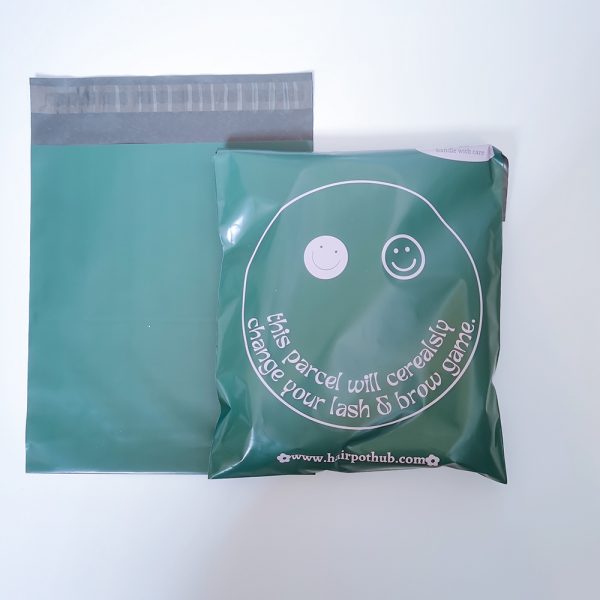
The problem: packaging fails where brands can’t afford it
Orders arrive late, parcels leak, and branded mailers split on the first bounce — customers notice, returns spike, reputation slides. The 2020 pandemic e-commerce surge exposed that weak packaging translates directly to lost revenue and higher waste. Brands need mailers that protect, perform, and still look good. That’s why testing modern options — including co-extruded colored poly mailers — matters now more than ever.
What co-extrusion and material science actually change
Co-extrusion layers materials in a controlled stack so you get targeted properties: an outer print-friendly layer, a middle toughness layer for tear resistance, and an inner barrier film for moisture or odor control. That means you can tune GSM, opacity, and heat-sealing behavior without a total redesign. In short: you separate looks from function and optimize both. Use the right resin blend and you cut punctures and slips while keeping a clean surface for branding.
Practical stress tests to run before you scale
Don’t guess — measure. Key lab-style tests include tensile strength (machine direction vs transverse direction), puncture resistance, seal integrity under varied heat, and simulated drop tests resembling real courier handling. A simple sequence I recommend: 1) seal test at intended line speed; 2) 3-drop sequence from standard carton heights; 3) puncture probe with a 2–4 mm tip. These reveal failure modes quickly — and they map to real-world returns. Run them with actual SKU weights and fillers, not idealized samples.
Field trials — what users actually report
Lab numbers matter. Field results teach nuance. A three-week rollout across two regional fulfillment centers (one in California, one in Shenzhen) showed that co-extruded designs reduced visible splits by over 60% compared to single-layer mailers. Staff also noted fewer jammed heat-sealers and faster packing times — small operational wins that compound. Expect surprises: some colored top layers attract scuffs that show at scale; others hide wear. Test visually as well as mechanically.
Common mistakes brands make — and how to avoid them
Brands often pick mailers on looks or price alone. Bad move. Typical errors include under-specifying sealing temperature ranges, ignoring closure compatibility, and not accounting for fill geometry. Also—don’t assume color equals performance. Bright pigments can weaken certain resins, so check pigment-resin compatibility. A quick fix: require supplier-provided seal-test curves and sample runs on your actual heat-sealing line before committing to a full order.
Alternatives, trade-offs, and aesthetic choices
Options range from mono-film lightweight mailers to heavy co-extruded barrier pouches and even reusable poly bags. For pure branding, printed mono-films look clean and cost less. For security and moisture protection, co-extruded barrier films win. If you want a pop color — think pink poly mailers — check that the pigmentation process won’t cut your tear or puncture ratings. Reusable options reduce waste but need tougher closures and usually higher upfront cost.
Procurement checklist for smart buys
Before you sign, lock these points into the contract:
- Specified tensile and puncture thresholds (MD/TD) tied to SKU weight bands.
- Seal strength curves and acceptable heat-sealer temperature ranges.
- Sample approval with your actual filling equipment and a first-article inspection clause.
Also insist on traceability for resin batches — supply shocks since 2020 taught us that material source matters for consistency.
Summary and three golden rules for choosing the right poly mailer
Co-extrusion gives you control — but control only pays off if you test under real conditions. Run lab and field trials, demand specific performance metrics, and prioritize sealing compatibility with your line. Here are three critical evaluation metrics to guide procurement:
- Tensile and puncture thresholds (MD/TD) certified to your SKU stress profile.
- Seal integrity across your production temperature and speed range.
- Real-world failure rate from a short pilot run (returns or damaged percentage).
Follow these and you’ll cut damages, speed packing, and protect brand image. For brands that want tested, color-stable, and scalable solutions, WH Packing fits naturally into that logic — they pair co-extrusion know-how with consistent production and visible QA. —