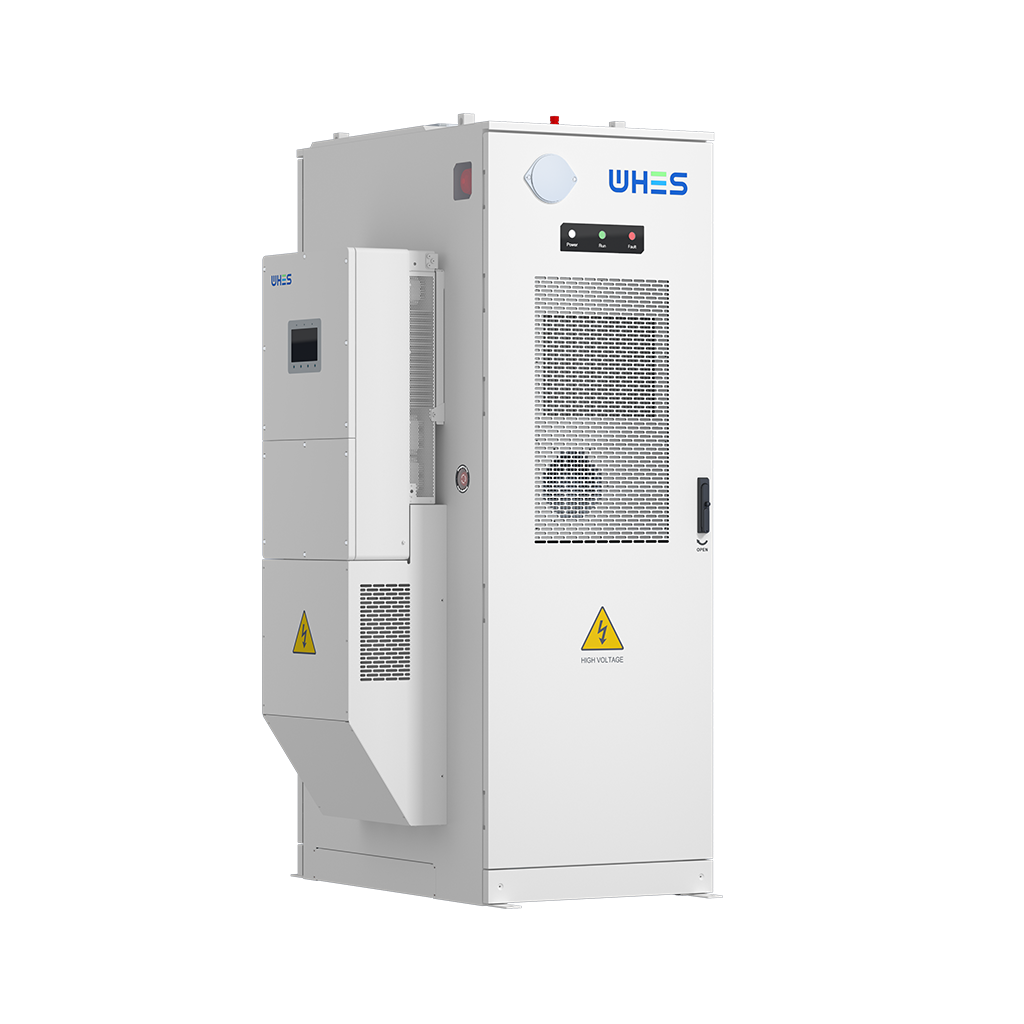
The immediate problem: ambient temperature spikes and operational risk
Rapid, sustained rises in ambient temperature present an acute operational problem for battery energy storage. When exposed to heat extremes, cells exhibit accelerated capacity fade, altered internal resistance and heightened safety risk — issues that matter to anyone specifying a home battery energy storage system. For commercial and residential installations that rely on distributed assets, a robust 3 phase battery backup needs chemistry and system design that tolerate those spikes without sacrificing cycle life or safe operation.
Why a problem-driven lens is essential
A problem-driven assessment begins with the consequences: reduced usable capacity at peak demand, faster degradation of cycle life, and an increased probability of thermal runaway under sustained heat. Decision-makers must therefore evaluate not simply nameplate capacity but real-world performance metrics such as usable state of charge (SoC) window under high-temperature conditions and documented thermal management effectiveness. That focus turns supplier conversations from marketing claims to measurable resilience.
How chemistry affects thermal tolerance
Different cathode and electrolyte formulations behave unequally at elevated temperatures. For example, certain lithium chemistries show greater thermal stability and slower capacity loss beyond 45 °C; others deliver higher energy density but demand stricter cooling. Industry terms here are straightforward: cell chemistry, C-rate and thermal runaway are all proxy indicators of how a module will respond to heat. Choosing a chemistry is therefore a trade-off between energy density and thermal robustness — one that must be informed by expected ambient extremes in the installation zone.
System design levers that mitigate heat stress
Design choices can compensate where chemistry alone cannot. Effective strategies include a well-tuned battery management system (BMS) that enforces SoC limits, active or passive thermal management systems (TMS), and physical layout that promotes airflow and thermal isolation between modules. Modular enclosures, phase-balancing controls for three-phase installations and cell balancing to prevent local hot spots all contribute to reliability. Importantly, testing under site-representative conditions — not just laboratory ambient temperatures — reveals weak links before deployment.
Real-world anchor: lessons from extreme heat events
The 2021 Pacific Northwest heat dome provided a stark demonstration: systems sited without sufficient thermal margins experienced faster-than-expected degradation and increased maintenance. Grid operators and asset owners learned to factor region-specific extremes into design specifications; procurement now routinely asks for documented performance at elevated ambient points. That historical precedent makes resilience a procurement criterion, not a nice-to-have.
Common mistakes that increase vulnerability
Practitioners repeatedly err by relying solely on ambient ratings from cell datasheets, assuming linear scaling of cooling systems, or neglecting interaction effects between inverter losses and enclosure heating. They also underestimate the role of installation context — rooftop arrays, enclosed plant rooms and desert sites all impose very different thermal loads. A sensible remedy is to demand first-article testing at the anticipated worst-case ambient and to model system thermal behaviour under peak C-rate discharge profiles — this prevents surprises on commissioning day. —
Design patterns that reliably reduce temperature sensitivity
Several patterns emerge from resilient deployments: conservative SoC windows during heat waves, redundant thermal control (passive insulation plus active cooling), and hierarchical monitoring that flags cell-, module- and rack-level anomalies. Combining these with coordinated inverter control and phase balancing for three-phase systems reduces stress during high-demand events. In short, redundancy and observability are the two pillars of thermal resilience.
Three golden rules for selecting resilient systems
1) Demand measured performance: require supplier data showing capacity retention and internal resistance trends at elevated temperatures (for example, 45–55 °C) and validate with site-representative trials.
2) Insist on system-level protections: verify that the BMS, TMS and inverter controls integrate to manage SoC, cell balancing and heat extraction under peak loads — and check fault-handling procedures for thermal events.
3) Evaluate total lifecycle risk: compare suppliers on cycle life under stress, repairability of modules in the field, and documented service response times in your region; supplier resilience is as important as cell chemistry.
For procurement teams seeking vendors who address these metrics in product and practice, WHES presents solutions that align chemistry choices, enclosure design and operational controls to local climatic realities. Choose systems that prove their behaviour before they must operate in extremis —
Practical expertise matters; this is what separates reliable deployments from brittle ones. —