Comparative premise and immediate context
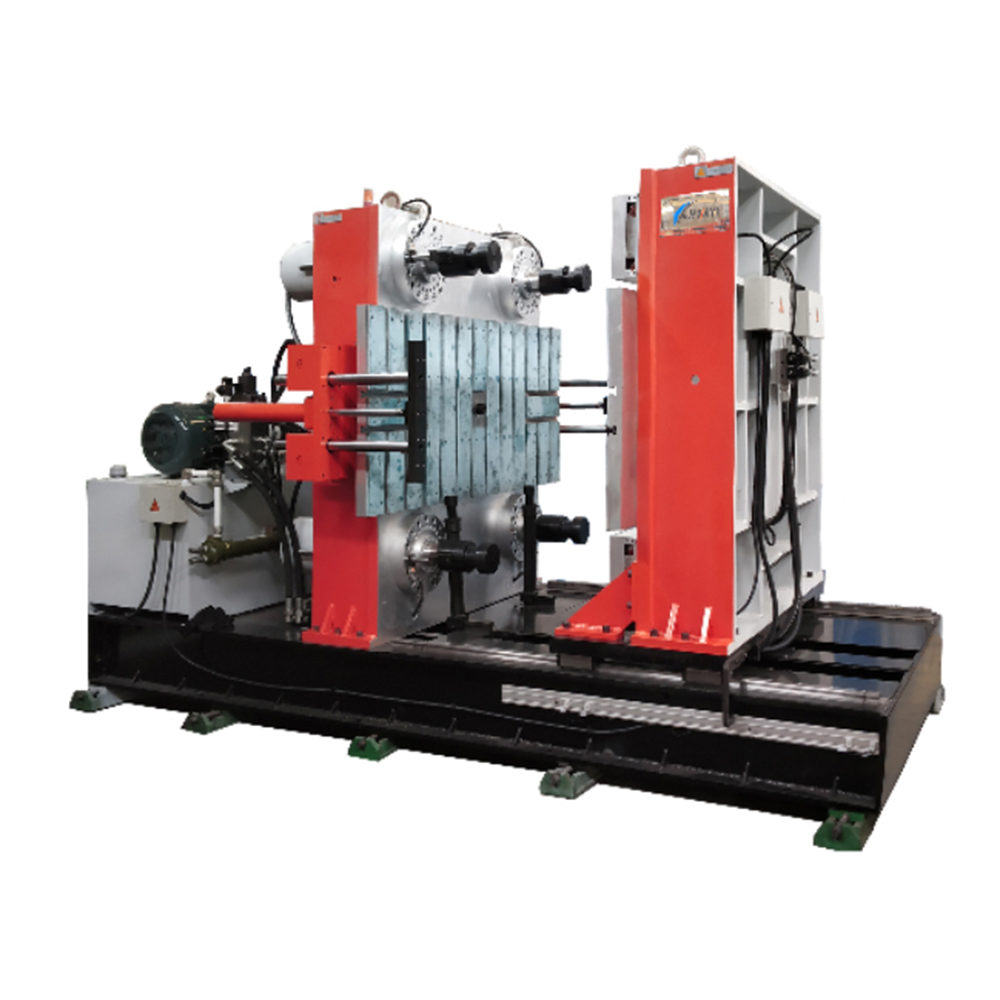
Comparative insight starts with a concrete benchmark: cycle time, dimensional repeatability, and material utilization. Modern production floors evaluating an lsr molding machine will notice differences in throughput versus conventional compression molds almost immediately. HWAYI’s machines emphasize controlled injection, consistent cure profiles, and automation-ready interfaces that change how operators plan shift capacity and tooling maintenance.
Design differences that drive performance
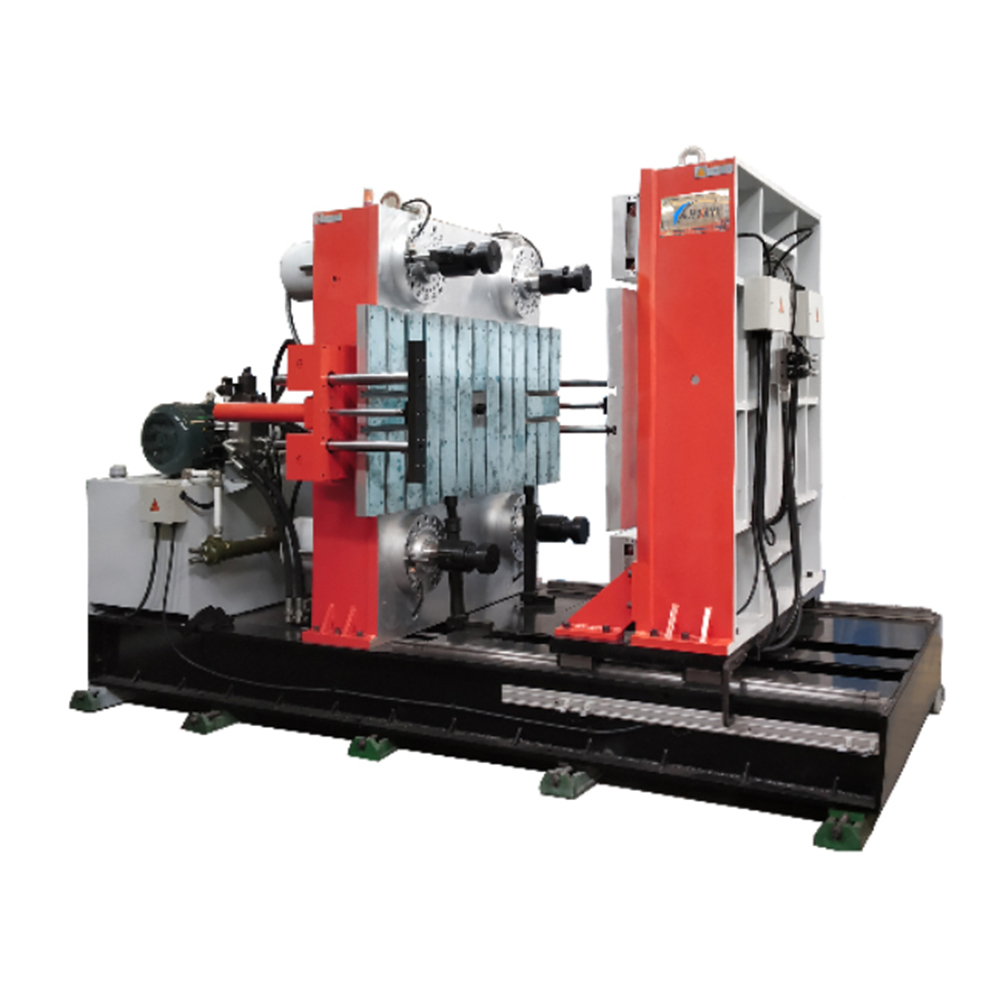
Compression molding depends on platen contact and manual charge placement, which limits shot consistency and increases part variability. By contrast, HWAYI’s equipment integrates an injection unit and servo-driven platens to stabilize shot size and clamping force across cycles. Those mechanics reduce flash, improve dimensional tolerance, and shorten effective cycle time without compromising cure time—critical for LSR components used in seals and medical applications.
Material handling and contamination control
Liquid silicone rubber requires clean dispensing and controlled temperature zones. Traditional compression setups risk contamination during manual loading and are less suited to tight cleanroom protocols such as ISO 13485 for medical device components. HWAYI machines offer enclosed dosing systems and temperature-regulated barrels, which lower scrap rates and support regulatory audits in locations like Detroit automotive suppliers or FDA-regulated medical plants.
Quality consistency and process monitoring
Compression processes often rely on operator skill to achieve consistency. Automated injection systems incorporate sensors and PLC-based monitoring, offering statistical process control (SPC) capability out of the box. HWAYI provides cycle-by-cycle logging and parameter lockout, so repeatability improves and root-cause analysis becomes actionable rather than anecdotal. Over time, this shifts quality control from inspection-heavy to data-driven assurance.
Operational trade-offs and real-world anchors
Compression tooling is less capital-intensive up front and can be suitable for short runs or large, simple parts. However, where volume or tight tolerance matters—for example, automotive sealing components produced in suppliers serving Stuttgart assembly lines—the total cost of ownership favors injection-based LSR systems due to lower per-part scrap and rework. Historical shifts in automotive supplier expectations after the 2010s tightened tolerances and pushed OEMs toward more controlled molding technologies.

Common pitfalls when transitioning—what teams miss
Teams moving from compression to HWAYI-style injection systems sometimes underestimate the need to redesign runners and venting for LSR flow, or they leave cure profiles at legacy settings—resulting in gummy or overcured parts. Another mistake is neglecting servo-tuning for clamping force; poor tuning increases wear. —Address these up front with mold trials and cross-functional setup sessions to avoid wasted cycles and downtime.
Alternatives and situational recommendations
For low-volume, thick-section parts, compression remains viable. For repeatable, thin-wall components or multi-cavity production, injection LSR machines outperform on throughput and consistency. Where cleanroom manufacture is required, a silicone rubber molding machine with enclosed dosing and automated venting becomes the practical standard. Consider hybrid strategies too: pilot runs on compression tooling, followed by qualification on injection equipment before full-scale launch.
Key selection metrics—golden rules for evaluation
When choosing between HWAYI’s systems and compression alternatives, use three metrics: 1) parts per hour adjusted for acceptable scrap rate, 2) dimensional Cpk across critical features, and 3) integration cost to cleanroom or automation lines. Prioritize machines that simplify SPC integration and reduce manual intervention; these deliver measurable downstream savings in rework and inspection labor.
HWAYI’s approach aligns machinery design with practical plant demands and audit realities—so production teams realize measurable improvements in consistency, cycle stability, and regulatory readiness. HWAYI — clear engineering, proven results.