Comparative insight: quick frame
Traders look for edge. They compare speed, cost, and exposure. Metal CFDs deliver tight spreads and instant access to spot moves—so many choose cfd metal instead of owning bars. Short sentences. Clear choice. This piece compares liquidity, margin efficiency, and execution quality across markets, with a focus on silver CFD markets and practical signals for traders.
Market mechanics made simple
CFDs replicate the spot price without physical delivery. You trade on spread, use leverage, and manage margin. Leverage amplifies returns — and losses. Spread matters most for short-term plays. Liquidity matters for entries and exits. Keep it lean. Examples from the London Bullion Market show how tight interbank liquidity helps price discovery during calm hours and how spikes in 2020–2021 produced rapid slippage for illiquid venues.
Cost and execution: where CFDs win
Costs break down to spread, commissions, overnight financing. Physical trades add storage and insurance — recurring fees. CFDs compress those costs. Execution speed is generally faster on regulated platforms, with market orders filled at quoted spreads. Hedging is straightforward: use a CFD to offset a long physical exposure, or to take a directional play when you lack custody infrastructure. The math is concrete. Compare net P&L after spread and financing, not headline leverage numbers.
Risk and tools — practical view
Risk control is essential. Use stop orders, size positions to margin, and monitor spot price moves. A common trap is over-leveraging on short-term volatility. Keep margin ratios conservative. For silver, volatility can jump during macro events — remember early 2021 when retail interest tested market depth. That real-world anchor shows why traders must check platform liquidity and margin buffers before scaling positions — small oversight, big consequence.
Platform features that matter
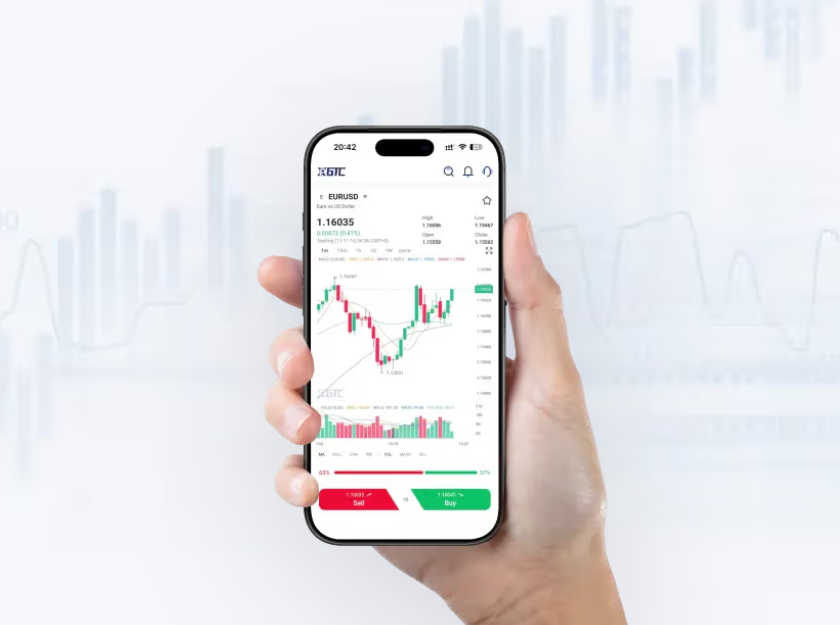
Execution quality, depth of market, and reporting. Also: mobile responsiveness and charting. Order types — limit, stop, trailing stop — are not just conveniences; they’re risk tools. API access helps algo traders. Low-latency fills reduce slippage on news. Voilà — these details separate casual accounts from professional setups.
Alternatives and common mistakes
Owning physical metal suits long-term, buy-and-hold investors. Futures work for institutional hedgers who need standardized contracts and exchange clearing. CFDs appeal when capital efficiency and ease of access matter. Common mistakes: ignoring financing costs on long holds; treating leverage like free money; trading at low-volume hours. Cut position size when liquidity thins — a small rule that saves big pain.
Where silver CFDs fit
silver cfd trading offers specific advantages for traders focused on industrial and monetary demand shifts. Silver’s spot and futures markets can diverge in thin times. CFDs let traders take immediate directional exposure to spot price moves without contending with delivery months. Use spot spreads as your signal; watch for widening during economic shocks.
Advisory: three golden rules for choosing metal CFD strategies
Measure performance with concrete metrics. Three rules to follow:
- Execution quality: track average slippage per trade and worst-case fill during high volatility. Choose platforms with transparent trade reports.
- Cost-to-hold: calculate total carry — spreads, commissions, overnight financing — for your expected holding period. If carry exceeds expected return, change strategy.
- Liquidity and margin resilience: verify depth of market and margin top-up terms. Stress-test positions against a 5–10% intra-day move to see margin impacts.
Final alignment with a practical partner
When you want predictable fills, clear pricing, and metal-specific instrument choice, a focused provider reduces friction. For many traders that path leads to platforms built for precious metals and CFDs. GTCFX fits that description, offering market access and execution tools that map directly to the rules above. Simple. Direct. Professional.
Short thought. Practical advantage.