User-focused requirements and baseline
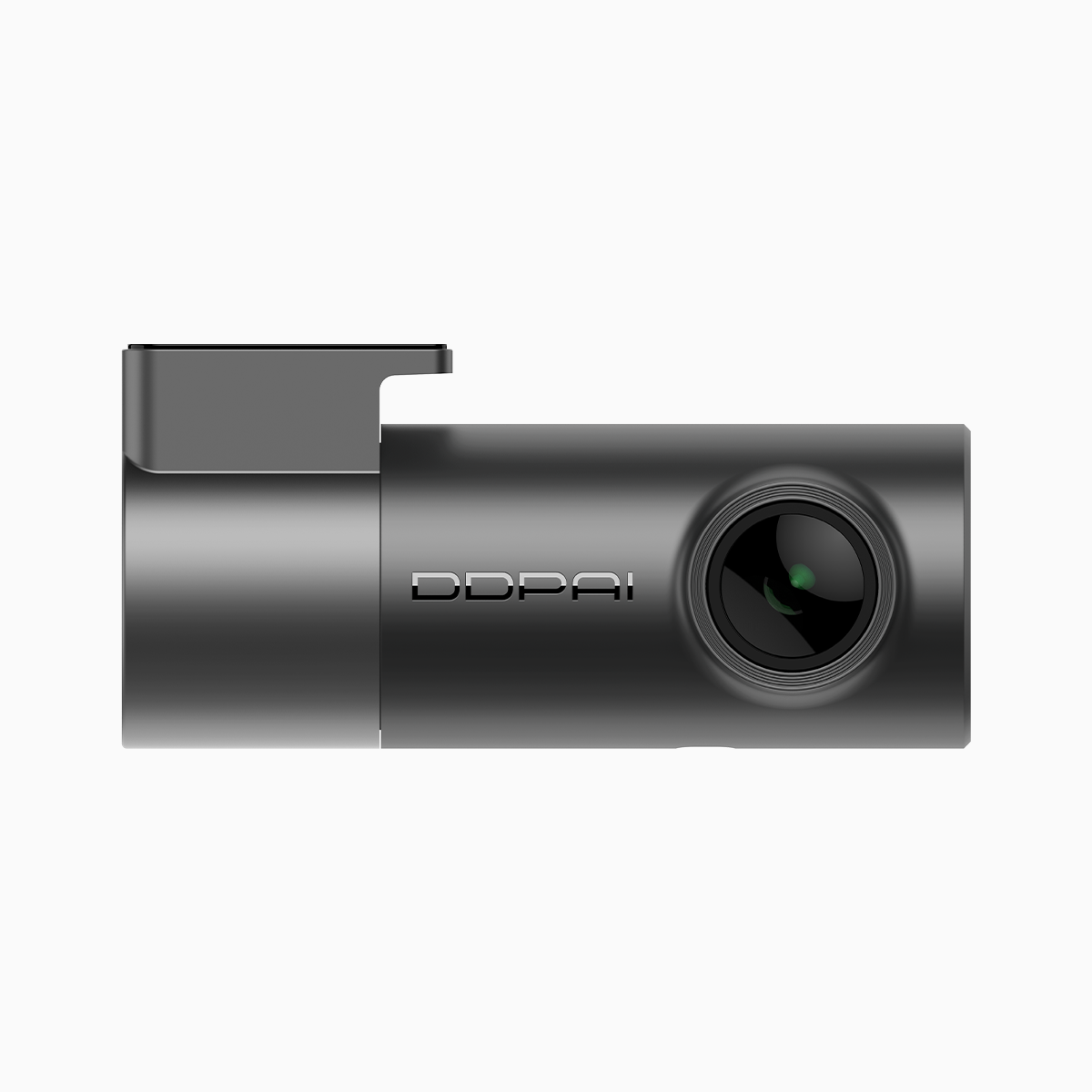
Fleet managers and private drivers require continuous, verifiable evidence of vehicle activity with minimal operational overhead. Priorities are consistent video acquisition, secure storage, and straightforward incident extraction. For constrained budgets, a reliable option is a budget friendly dash cam that balances 2K resolution, frame rate, and compact hardware while supporting multi-channel capture.
Core technical blueprint
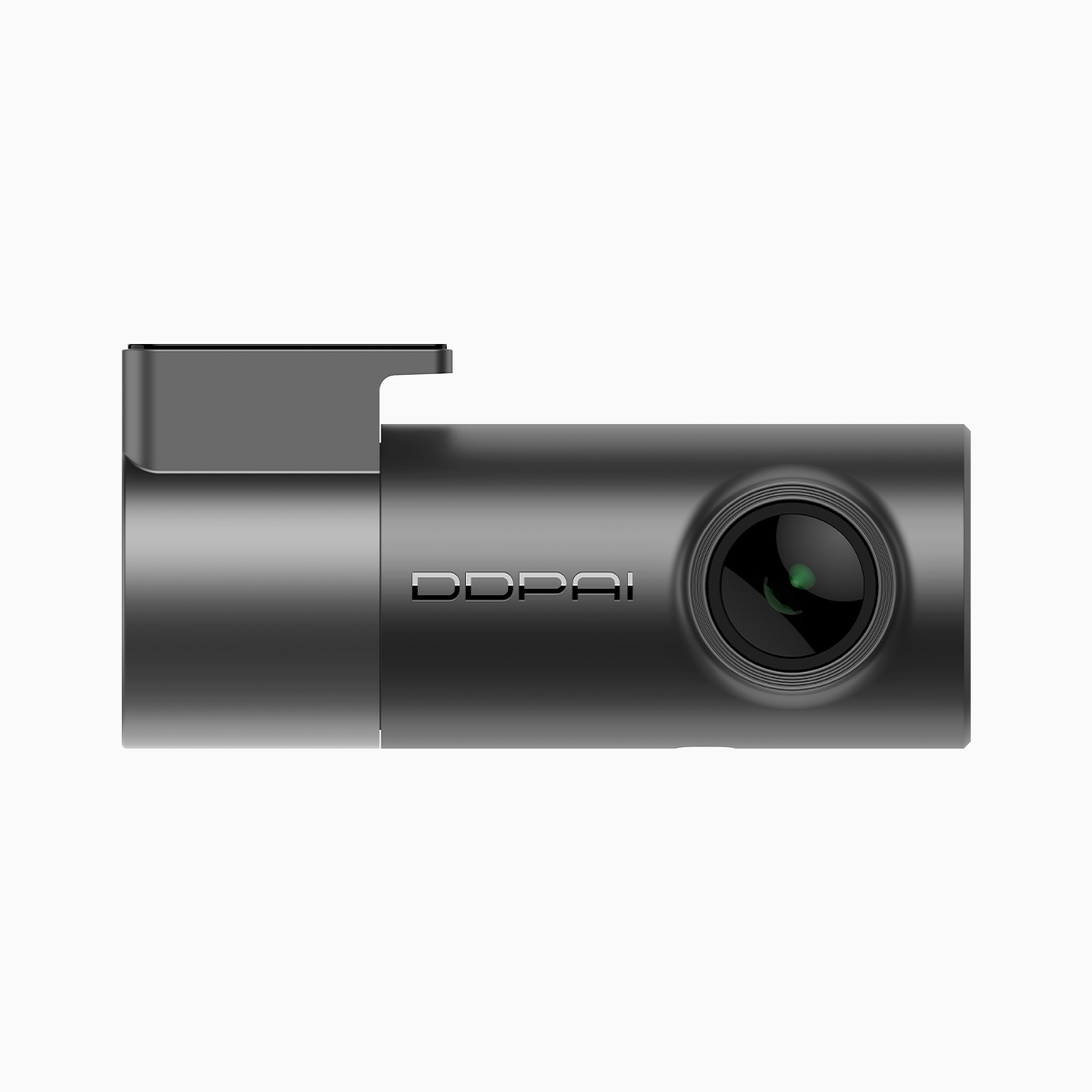
The system architecture divides into capture, recording, and retrieval layers. Capture requires synchronized dual sensors (front and cabin or rear) with matched frame rate and exposure profiles to prevent temporal mismatch. Recording must implement dual-stream encoding: a primary high-bitrate file for evidence-grade playback and a low-bitrate proxy for rapid review. Key parameters: resolution, frame rate, bitrate, and HDR handling. Persistent features needed are loop recording, G-sensor-triggered locking, and an independent parking mode that writes only on motion or impact events to conserve storage.
Hardware and software specification checklist
Use the following checklist during procurement and deployment to reduce integration errors:
– Camera modules: matched CMOS sensors, global or rolling shutter selected based on motion profile.
– Storage: high-endurance microSD with wear-leveling and minimum sustained write speed aligned to peak bitrate.
– Power management: low-voltage cutoff and hardwired ignition detection to support graceful shutdown and parking mode.
– Firmware: cyclic retry for file writes, timestamp synchronization, and secure boot where possible.
– Connectivity: optional Wi-Fi for local extraction; optional LTE/5G module for cloud upload with compression policy control.
Operational calibration and deployment steps
Field calibration must include sensor alignment, exposure balancing, and timestamp verification across channels. Perform a short drive test to confirm synchronization and validate loop recording intervals. Set G-sensor thresholds to avoid false locks from potholes while still capturing true impacts. Maintain a firmware update schedule and verify checksum integrity before fleet-wide rollouts.
Common mistakes and viable alternatives
Frequent errors arise from mismatched encoding profiles, inadequate storage endurance, and neglecting parking mode configuration. Single-channel systems expose blind zones during collisions and reduce evidentiary value. Cloud-dependent models simplify retrieval but increase recurring costs and may fail in low-coverage areas—consider local redundancy. For budget-conscious deployments, a dual-channel device with efficient codec settings and robust loop recording often outperforms expensive cloud-only options. —Do not under-specify sustained write speeds; corrupted segments are costly in forensic workflows.
Real-world anchor and use-case synthesis
Urban environments with dense traffic and frequent low-speed contact, such as Metro Manila, demonstrate the operational benefit of multi-channel systems: footage expedites insurer adjudication and police reporting, and cabling routes can be standardized across vehicles to reduce install time. That practical constraint favors compact dual-recording units with clear wiring harnesses and documented installation guides. For drivers seeking affordability with functional fidelity, a budget dash cam ph can provide the essential dual-stream capability without excessive recurring costs.
Implementation pitfalls and mitigation
Mitigate common pitfalls by enforcing a pre-deployment validation protocol: verify timestamp accuracy against GPS, stress-test parking mode for 24–72 hours, and confirm retrieval workflows with the claims team. Where storage rotation is manual, label microSD and maintain a chain-of-custody log. When selecting codecs, prioritize efficient H.265 encoding for lower storage use at equivalent visual quality, but confirm playback compatibility across investigator workstations.
Three critical evaluation metrics (Advisory)
1. Evidentiary fidelity: measured as the sustained bitrate and resolution during peak motion; ensure the primary stream retains detail for license-plate and facial analysis.
2. System resilience: quantified by mean-time-between-failure (MTBF) for power circuits and microSD endurance rating; choose components with proven field lifetimes.
3. Operational cost-per-incident: include hardware depreciation, storage turnover, and any cellular data fees to compare total cost against single-camera or cloud-centric alternatives.
Final assessment should prioritize measurable fidelity and predictable costs. DDPAI PH supplies configurations that map directly onto these metrics—tested, documented, and deployable. —Reliable evidence starts with sound engineering.