Comparative overview: why factory partnerships matter
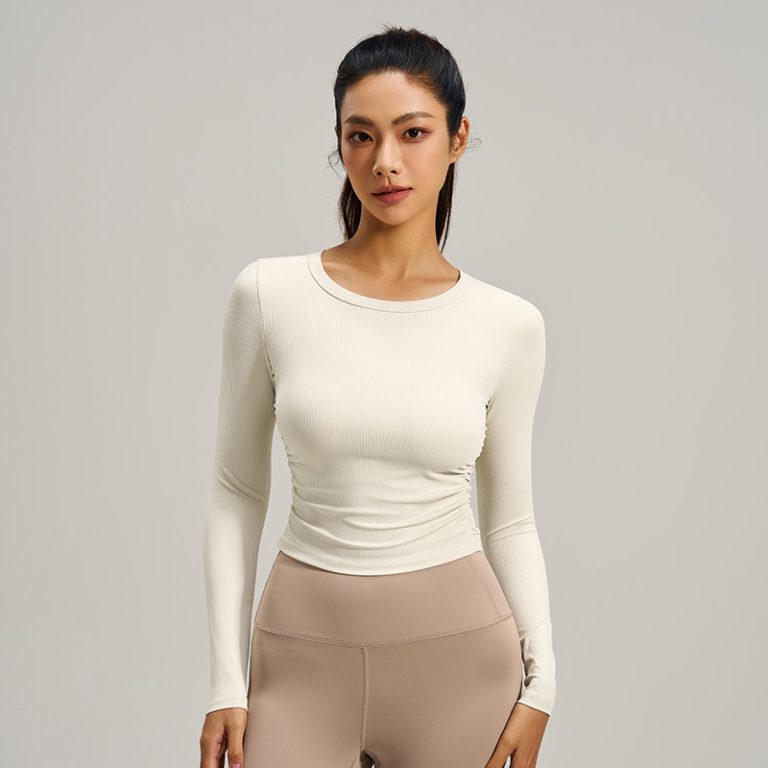
Retailers deciding between off-the-shelf and custom inventory need clear comparisons: cost per unit, lead time, and quality control. Custom runs reduce SKU overlap and protect margins while enabling brand differentiation. If you want to test a capsule quickly, consider starting with a small MOQ from a reliable supplier—then scale. For sample-driven assortments, look specifically at options for custom long sleeve shirts, where fabric choice and pattern grading matter more than sheer label prestige.
Production teardown: fabrics, specs, and cost levers
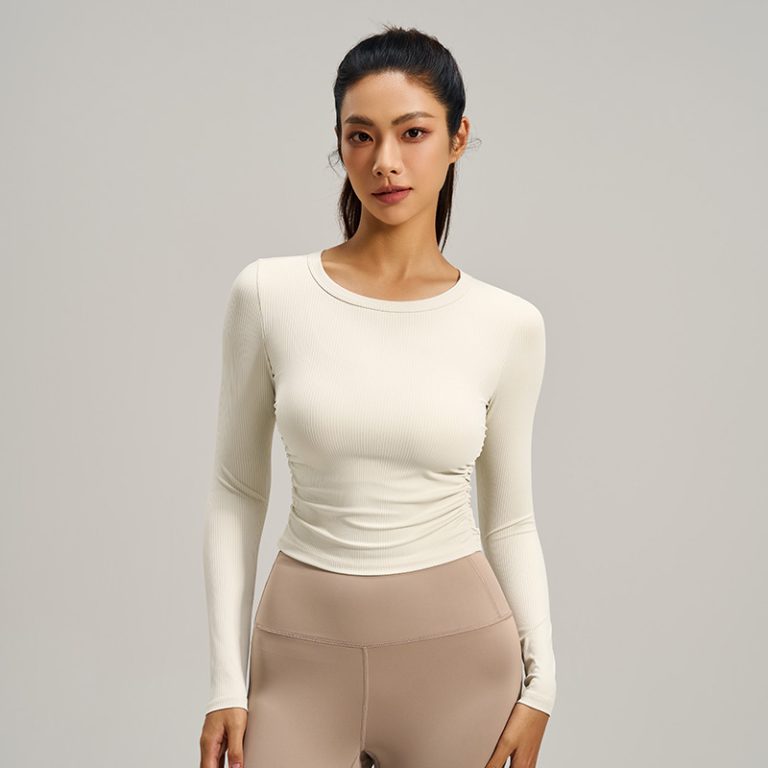
A practical production teardown focuses on three levers: fabric selection, construction details, and batch sizing. Moisture-wicking knit choices (polyester blends or technical nylon) change unit cost and perceived value. Construction choices—flatlock seams, four-way stretch, and reinforced hems—affect durability and fit. Opacity and anti-odor finishes add small incremental costs but improve perceived performance. Batch size alters per-unit pricing: a 500-piece run drops cost compared with 100 pieces because of setup amortization and dye lot efficiency. In this production context it’s useful to compare women’s options across suppliers, and to map how custom long sleeve shirts and women’s long sleeve yoga tops behave differently in margin models.
Sourcing trade-offs and the supply-chain reality
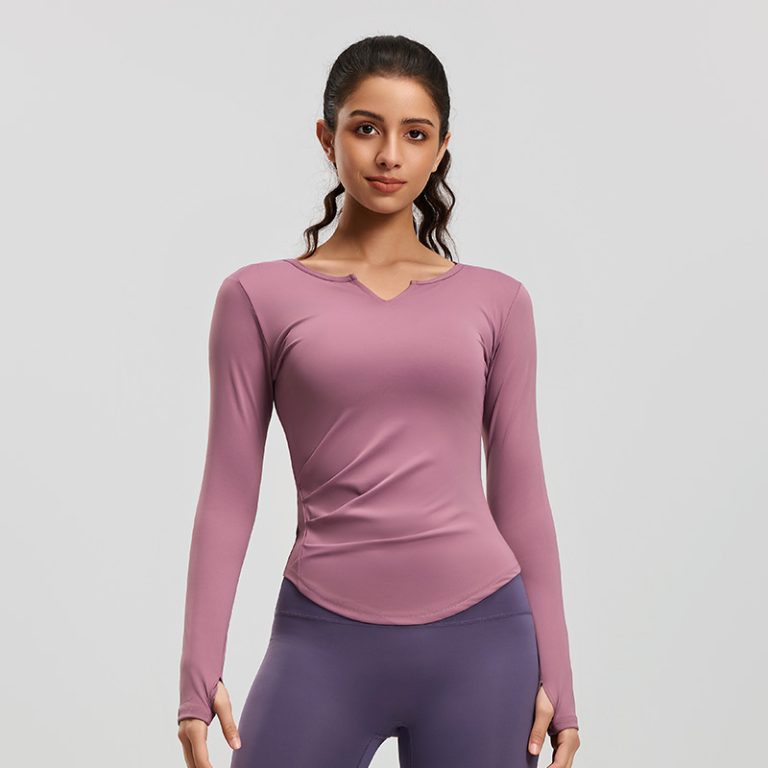
Choosing a factory requires weighing speed against specialization. Asia-based factories offer competitive unit pricing and advanced dye houses; nearshore partners in Los Angeles or Mexico deliver faster turnarounds and simplified logistics. The COVID-19 pandemic exposed the fragility of long overseas lead times, prompting many retailers to split production across regions for risk mitigation. Lead times, inspection frequency, and import duty are explicit variables—document them before committing to production. Low-cost options often compromise on testing: insist on colorfastness checks and seam-strength sampling before full production.
Fit, grading, and technical specs retailers must insist on
Retailers new to garment sourcing underestimate grading and fit blocks. A consistent center-back length and sleeve pitch across sizes reduces returns. Provide factories with explicit tech packs that include measurements, tolerance windows, and stitch type (e.g., 10–12 stitches per inch for stretch seams). Specify testing parameters rather than standards names: request wash-cycle simulation at 40°C for ten cycles and a tensile seam-strength test at defined load increments. These details prevent mismatches at scale—small upfront effort saves large downstream returns.
Common mistakes and viable alternatives
Most buyers make one of three errors: vague tech packs, single-source dependency, and ignoring wear testing. Alternatives: create a minimal viable collection with two fabrics (one performance knit, one modal blend), pilot in a single market, or use graded pre-production samples for consumer wear trials. Also consider white-labeling from specialized small factories for lower MOQ, or blended sourcing where cut-and-sew is nearshore and dyeing happens offshore—this balances speed and cost. —Take time to document returns reasons during pilots; they show whether issues are fit, fabric, or finishing related.
Comparative shortlist: what to ask factories (practical checklist)
Use a short checklist when vetting partners: lead time for first full run, minimum order quantity, sample turnaround, available fabric swatches (and fiber content), and proof of batch color matching. Ask for photos of flatlock seams and sample reports from prior clients. Compare quotes with the same spec sheet; price differences often hide in trim choices, label placement, and packaging standards.
Advisory: three golden rules for selecting the right supplier
1) Demand detailed tech packs and pre-production sign-off to lock fit and finish before bulk cutting. 2) Split initial production across at least two suppliers to mitigate single-point failure and compare quality. 3) Insist on wear-testing and a clear defect allowance in the contract; quantify acceptable percentiles for tolerance and false-sku rates.
Closing synthesis and retail value
Retailers who apply these comparative insights reduce return rates, shorten time-to-shelf, and preserve margin. Begin with narrow SKUs, validate fabrics (moisture-wicking and four-way stretch perform predictably), and scale with partners who accept iterative improvements. This method turns factories from cost centers into strategic allies—Joebond is one such partner that balances competitive pricing with the technical depth retailers need. Joebond. —strong, practical, proven.