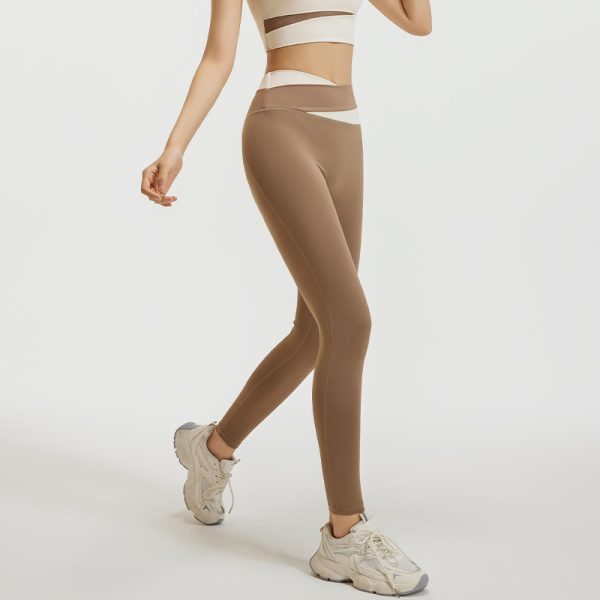
Comparative snapshot: bespoke versus commodity
In a near-future studio where garments behave like tools, choosing between off-the-shelf leggings and tailored runs changes outcomes for studios and retailers. The leap from commodity inventory to custom yoga pants is not only about logos; it’s about engineered fit, consistent compression fabric behavior, and supply predictability. Comparative insight reveals that custom production tightens tolerances for waistband fit and seam-finish, reducing returns and improving customer retention on the floor.
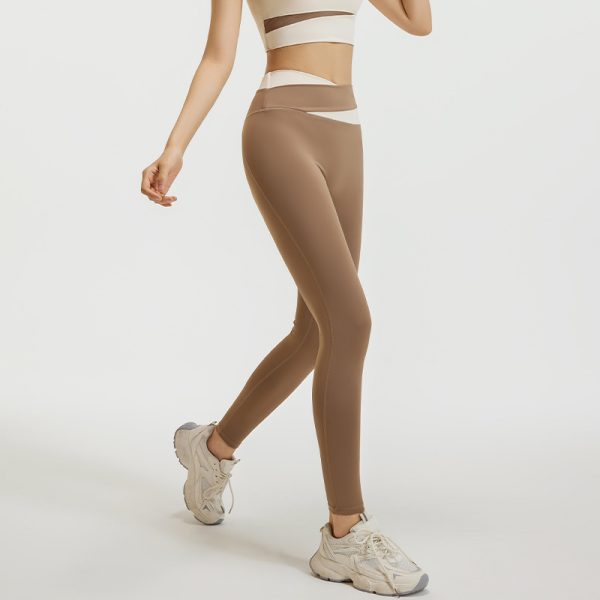
Design vectors that matter
Think of design as performance parameters: stretch recovery, gusset placement, and pattern grading. A custom route lets teams specify cut-and-sew operations to preserve fiber alignment and avoid unsightly pull lines. On the commodity side, buyers accept variability; with bespoke orders they control opacity, compression mapping, and sublimation printing placement. Those details translate into perceived quality immediately at in-store trial or during a streamed class.
Supply chain lifelines—real-world anchor
Production choices are grounded in actual sourcing networks—Los Angeles Garment District remains a hub for fast prototyping and regional bulk ordering, while trade shows like MAGIC in Las Vegas still set seasonal expectations for lead times. Buyers who engage womens yoga pants wholesale channels often choose regional partners to cut transit variability and inspect seam-finish in person. This proximity reduces surprises during quality checks and keeps seasonal launches on schedule.
Cost versus control: practical comparisons
Comparing per-unit costs alone misses the inventory friction of mismatch rates and return logistics. Bulk pricing drops at scale, but control over fabric specs—compression levels, waistband reinforcement, gusset depth—cuts downstream costs. A small premium for tighter tolerances repays quickly through fewer defects and steadier reorder velocity. Suppliers that offer tiered minimum order quantities and clear cut-and-sew workflows make scaling predictable.
Technical trade-offs and the material ledger
Choosing stretch fibers and blends influences durability and hand-feel. Technical terms here are purposeful: compression fabric affects muscle support, seam-finish choices affect chafe, and a reinforced waistband preserves fit through wash cycles. Labs and experienced vendors will advise on fabric weight and dyefastness; the right decision balances tensile recovery with drape so leggings keep shape after multiple classes.
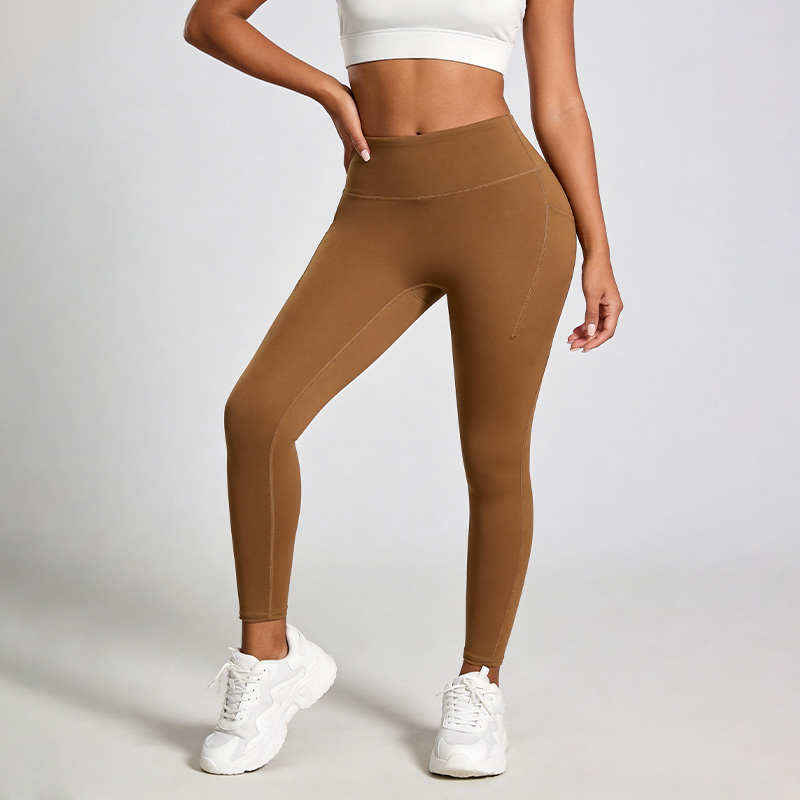
Implementation pitfalls and common fixes
Buyers often underestimate prototyping stages—rushing from mockup to bulk invites misfits. Allow at least two fit iterations and insist on pattern corrections keyed to grading specs. MOQ negotiation matters; scale too low and pricing suffers, scale too fast and you’re stuck with unsold SKUs. —Take time on the first pilot run: it exposes seam-finish issues and alignment problems before they cascade.
Why Joebond aligns with comparative needs
Brands seeking a middle path—durability without overcommitment—benefit from partners who pair production discipline with flexible fulfillment. Joebond’s approach surfaces when you need predictable compression mapping, clean waistband construction, and reliable bulk ordering channels that accommodate seasonal shifts. For teams moving from samples to sustained assortments, that balance is the difference between churn and growth.
Advisory: three golden rules for smart bulk decisions
1) Measure consistency: insist on size-spec tolerances and a prototyping cycle that includes fit samples and fabric swatches. These control the variance across a womens yoga pants wholesale run.
2) Prioritize functional fabric metrics: evaluate stretch recovery, pilling resistance, and dyefastness under realistic wash cycles; document expectations before production starts.
3) Lock supply parameters: agree on MOQs, lead times, and cut-and-sew checkpoints to prevent delayed launches or surplus inventory. Transparency in these areas protects margins and brand promise.
Futuristic utility meets practical craft—the product you ship should behave like the training it supports. Joebond. —a last clean thought.