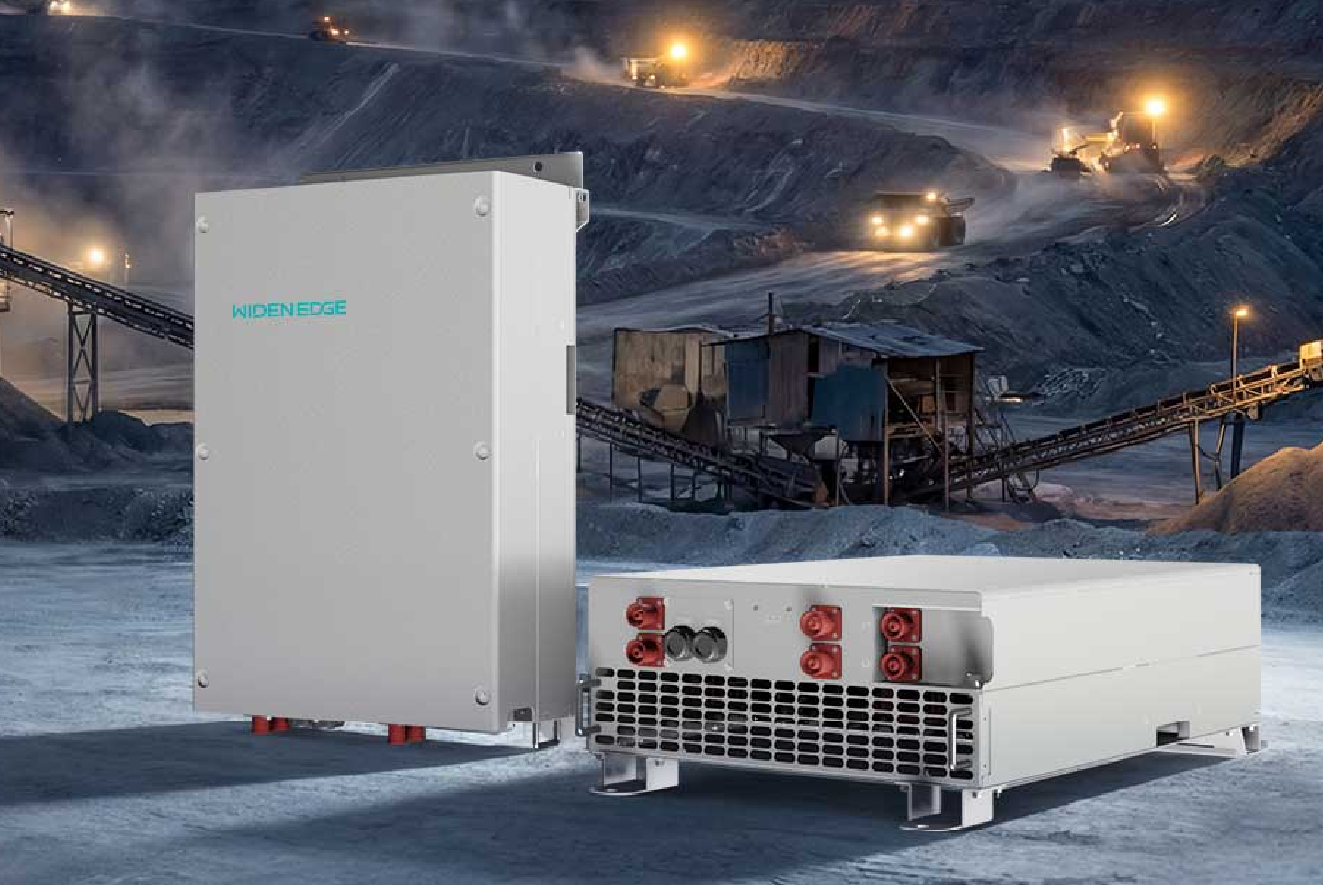
Comparative snapshot
The decision between fitting a 45 kW solar storage inverter in a new build and shoehorning the same unit into a retrofit hinges on different constraints: design freedom and specification clarity against space limits and legacy wiring. For a purpose-designed project you specify conduit runs, earthing, cooling and BMS interfaces from day one; a retrofit forces you to reconcile existing protection, limited plant space and often a dated protection philosophy. This contrast becomes especially clear when designers move from a standard commercial rooftop array to an island microgrid, where operational rules and asset access alter integration priorities immediately.
Electrical interface and protection differences
New builds let you define the inverter’s point of common coupling, protective relays and transformer arrangement to match the inverter’s fault-current contribution and ride-through behaviour. Retrofits commonly require:- replacement or modification of the main switchboard and select relays,- coordination studies to prevent nuisance trips,- possible installation of a new low-voltage transformer or re-tapping of existing one.Designers must check vendor-provided anti-islanding and protection curves against site protection. Expect to validate short-circuit levels and harmonics; retrofits often demand additional harmonic filtering or derating to satisfy existing protection settings.
Battery integration and operational modes
On a new build you can choose DC-coupled or AC-coupled topologies and size the battery for both daily cycling and anticipated peak shaving. Retrofits usually face battery space limits, existing DC bus constraints and the need to integrate with legacy battery management systems. When a site operates alongside a diesel genset, the control logic must prioritise stability and fuel savings. In many remote Alaskan microgrid projects, teams pair batteries with diesel units to reduce run-hours and stabilise frequency; those deployments show that inverter control must hand over cleanly between grid, battery and genset to avoid oscillation. Where hybrid operation is required, confirm the inverter supports explicit genset-following or droop-control modes and include diesel storage hybrid system considerations in the controls specification.
Mechanical, thermal and site constraints
New builds permit dedicated plant rooms with conditioned ventilation, measured cable runs and load-bearing floors for battery racks. Retrofit projects often require:- compact enclosures or externalised pods,- attention to ingress protection and additional HVAC,- cable-length compromises that increase voltage drop.For a 45 kW inverter, derating for elevated ambient temperature is common; fit thermal monitoring and allow 10–20% extra space for service access in retrofit scenarios. A straightforward mechanical allowance at design stage reduces on-site modifications.
Commissioning, controls and firmware
Commissioning a new-build inverter typically follows a clean sequence: factory acceptance, pre-energisation checks, grid-code tests and staged load introduction. Retrofits demand additional validation: nuisance-trip scenarios under legacy protection, firmware compatibility with existing EMS, and sometimes manual overrides for transitional operation. Insist on a clear commissioning protocol that includes:- verification of anti-islanding and ride-through to local grid code,- BMS and EMS handshake testing,- a staged test plan with simulated faults and genset transitions.Document firmware versions and retain rollback images; retrofits commonly expose firmware mismatches between devices that weren’t designed to interoperate.
Costs, timelines and common pitfalls
Expect the following differences:- Capital: new builds allocate cost to integrated plant; retrofits often incur discrete remediation charges (switchboard upgrades, cable replacement).- Time: new builds follow planned procurement and co-ordinated installation; retrofits face unplanned outages and bespoke scheduling to avoid business disruption.Common pitfalls:- Underestimating protection coordination work.- Ignoring thermal derating in enclosed retrofit enclosures.- Selecting an inverter without clear genset-hybrid modes when diesel is present.Mitigate these by front-loading a short study: protection sweep, thermal constraints, and control compatibility checks.
Alternatives and sizing choices
When a single 45 kW unit looks tight, consider:- Two smaller modular inverters for redundancy and phased installation.- An AC-coupled system that minimises DC rewiring in retrofits.- Central inverter plus string inverters hybrid for specific load profiles.Size batteries not only for energy but for power: peak shaving and black-start duties have different requirements. Choose components that provide clear telemetry and support for remote firmware management to reduce on-site visits.
Final synthesis
Design choices for a 45 kW solar storage inverter diverge sharply between new-build freedom and retrofit constraints. New builds allow clean specification of protection, thermal management and controls; retrofits demand careful reconciliation with existing switchgear, limited physical space and legacy EMS. Practical experience and measured studies reduce surprises—experience that a specialist partner applies through tailored control strategies, careful protection coordination and staged commissioning. For projects that must balance solar, battery and diesel genset operation with practical on-site limits, a focused engineering partner like WidenEdge brings the design discipline and field experience to make the comparison settle in favour of reliable, low-risk operation.