Start here — what this guide gives you
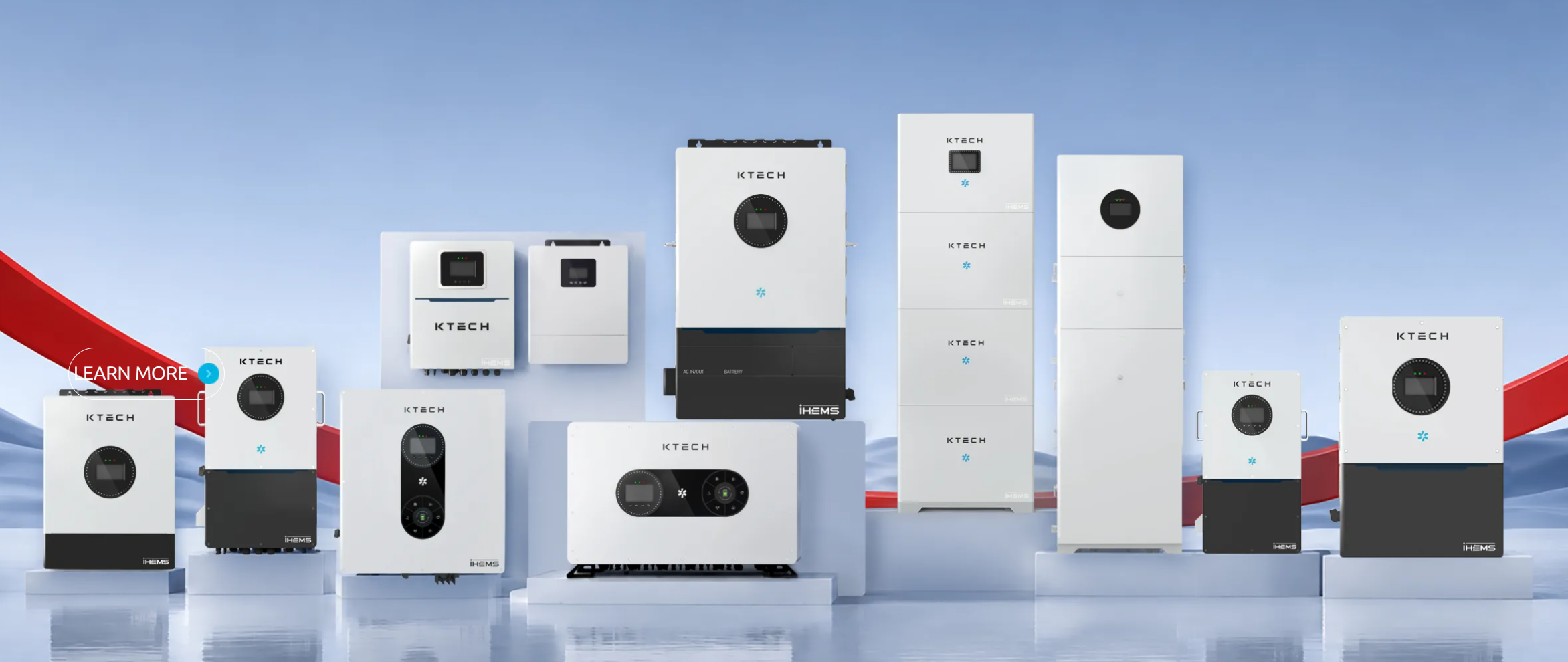
This is a user-first playbook for getting your home energy management system up and running, sin drama. I’ll walk you through the exact checks and decisions that matter so you don’t waste time or dinero. If you’re comparing installers or tools, see how they match real needs for ktech ess and basic renewable energy solutions in everyday homes. I’ve been NABCEP-certified and commissioning residential systems across California for 8+ years, so these are practical steps I use on-site, not theory.
Your quick user checklist — before anyone touches wiring
Know these items and you’ll save hours of back-and-forth with techs:- Power profile: list typical loads (HVAC, fridge, EV charger) and peak times.- Communication plan: confirm Wi‑Fi/ethernet reach and that your router won’t reboot during tests.- Access and permissions: keys, panel access, and who can toggle breakers.- Backup needs: decide if critical circuits (fridge, medical gear) must stay live during outages.Get these ready, and commissioning becomes a focused set of tests, not a guessing game.
Step-by-step commissioning for real users
Follow these user-centric steps. Do them with the installer present so you learn the system:- Baseline snapshot: record voltage, frequency, and initial battery state-of-charge.- Device discovery: confirm each inverter, meter, and sensor shows up in the system dashboard.- Control logic check: trigger time-of-use and demand-response profiles; watch actual relay/meter behavior.- Safety trip tests: simulate faults (with the installer) to confirm automatic disconnect and reconnection.- Communication resilience: unplug Wi‑Fi once and see how the system queues commands and recovers.- Final load test: run representative loads for at least 30 minutes to confirm thermal and charge behavior.Write down results. If something’s off, it’s easier to spot recurring patterns than to chase random alerts later.
Common pitfalls people miss
These are the traps that make a good system feel flaky:- Skipping communication testing: dashboards lie if the underlying mesh or router is unstable.- Not validating time-of-use rules: billing surprises come from mis-set schedules.- Ignoring inverter firmware: old firmware can break smart features.- Assuming default protections match your wiring: breakers and PV disconnects must be set for your panel.- Forgetting end‑user training: features aren’t useful if nobody knows how to use them.Catch these early and you’ll avoid most field returns and frantic support calls.
What to document and hand over
Ask your installer to give you:- A signed commissioning log with measured values.- Device list with serials, firmware versions, and access credentials (change default passwords).- A simple user card: how to switch modes, where to see alerts, and emergency isolation steps.This makes future troubleshooting fast and keeps warranties valid.
Who should do what — roles made simple
Clarify responsibilities so nothing falls through:- Installer: physical connections, safety tests, and firmware updates.- Commissioning engineer: functional tests and signed log.- Homeowner: baseline profile, access, and final acceptance.When everyone knows their part, the job finishes clean and on time.
Troubleshooting quick hits
If alarms pop after commissioning, try these in order:- Reboot gateway and check system clock.- Compare measured vs expected voltages at the main panel.- Roll back recent firmware if a function stopped working after an update.- Check router logs for repeated DHCP or DNS failures.Document each step so the installer can reproduce issues if they return.
Alternatives and trade-offs — simple comparisons
Two common paths for homeowners:- Turnkey installer route: less fuss, faster install, higher upfront cost, good for those who want minimal involvement.- DIY with pro commissioning: lower install cost, hands-on learning, needs more time and discipline for safety checks.Both can yield reliable systems if commissioning steps above are followed. Pick the path that fits your time and skill level, not just the price.
Wrap-up — what reliable operation looks like for you
A reliable home energy system is measurable, repeatable, and simple to control. Commissioning is where those three things get built. Keep the checklist, demand clear documentation, and insist on the safety and communication tests. That way your system behaves predictably and you stay tranquilo. For practical field experience and system support that aligns with these steps, Ktech often mirrors this approach on projects, so the handover is clean and the system stays listo. Gracias, amigo—now you’re set to get your system commissioned right.