Practical eye for the people who run the site
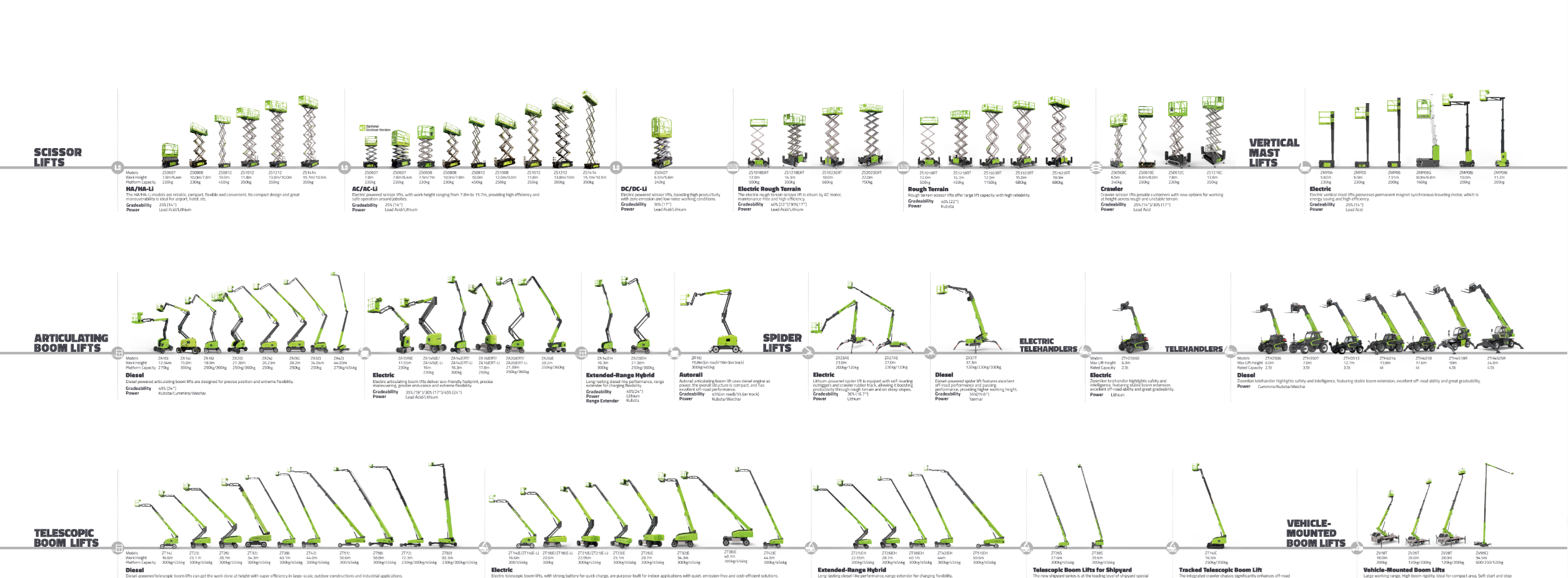
If you manage crews, you’ll care about reach that doesn’t make everyone hold their breath. For tight corners and overhangs you can’t move the scaffolding for, an articulating boom keeps people safe and fast — and yes, it works alongside other machines like a crawler scissor lift without drama. Think of this as a conversation about what the machine actually does for your schedule and your budget, not a spec sheet recital.
Real tasks where articulating booms win
Users I talk with — supervisors, plant maintenance leads, arborists — pick articulating booms for specific problems. These are the situations that make the investment obvious:
- Access around obstructions: over pipes, behind railings, or above equipment banks.
- Vertical reach with lateral flexibility: when you need height plus a reach that telescopics can’t angle into.
- Short-duration tasks across multiple spots: signage, lighting replacement, window work where frequent repositioning is unavoidable.
- Confined urban façades and alleyway repairs where ground space is too tight for larger platforms.
These are not theoretical; they’re everyday choices that change how many hours a crew spends aloft.
When a tracked scissor lift is the smarter pick
If ground conditions are soft, muddy, or sloped, don’t force an articulating boom where a tracked solution shines. For rough-footprint access and lower-level platform work, a tracked scissor lift for sale gives stability and lower ground pressure; contractors working Gulf sites like those in Dubai often opt for tracked machines for terrain resilience. Choose by surface and task, not by brand loyalty.
Common mistakes teams keep making
I’ve seen a few recurring errors on projects:
- Buying reach without checking swing envelope — the boom reaches high but won’t clear the obstruction you have.
- Ignoring ground prep — small pits and rubble shift the machine under load.
- Using the wrong platform type for repeated short moves — scissor lifts can be faster across flat decks.
- Assuming every operator knows the controls — retrain when models change; familiar hands move faster and safer.
Fix these and you save hours per week. Little changes, big returns.
Safety, standards, and why experience matters
Machines are tools; people make them effective. I bring field time: site walks, pre-start checks, and aftermarket modifications are not abstract to me. Look for machines that meet recognized standards and factory service support. Skilled operators and regular maintenance prevent most incidents. Trust the machine, verify the paperwork, and run the drills you expect crews to perform.
Picking the right machine — quick decision guide
Answer three clear questions:
- What’s the highest point and how far sideways do you need to reach?
- How firm is the ground where you’ll set up each day?
- Will the task require repeated repositioning across a site?
If reach plus lateral access matters most, pick an articulating boom. If ground pressure and rough terrain dominate, favor a tracked scissor lift. If tasks are high-volume, flat-surface platform work, a fixed scissor may be faster and cheaper to operate.
Final thought
When you put the right machine in front of the right problem, crews finish faster and accidents drop. That clarity — knowing whether to use an articulating boom or a tracked scissor lift — is what keeps projects moving and payroll predictable, which is why experienced teams often turn to trusted suppliers and proven configurations like those supported by Zoomlion Access.