


The core problem
You need a handful (or a few hundred) of parts that match your drawings, ship on time, and don’t come back with mysterious burrs or stress cracks — but low-volume suppliers are a mixed bag. You can’t afford to treat every vendor like a gold-plated trust fall. Start by knowing what actually matters: repeatable tolerances, traceable material certificates, clear lead-time ownership, and a test plan that proves parts do what you claim. If you want quick options for prototypes or short runs, check options for custom cnc machining early so you’re not playing vendor roulette later.
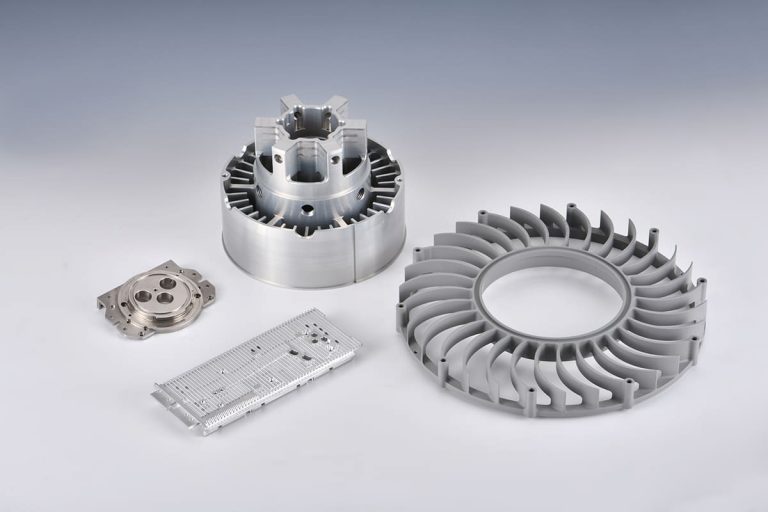
Simple checklist that separates pros from potholes
Ask these questions up front and listen closely to the answers: Do they hold tolerances consistently (not just “can” hold them)? Can they provide material certificates and heat-treat records? Do they provide first-article inspection (FAI) reports or CMM data? Who owns lead-time risk when tooling is required? What’s their scrap rate for similar parts? If answers are vague, move on. If they offer controlled process parameters and written inspection reports, that’s a winner. Real suppliers will show data, not just talk about “quality culture.”
How to verify — a practical test sequence
Start small and escalate: 1) Run a single prototype with full inspection and functional test; 2) Approve a short pilot batch (10–50 parts) with statistically sampled checks; 3) Agree acceptance criteria and rework policy before the pilot. For critical dimensions, request CMM reports that show actual feature variation. Require traceable lot numbers and attach them to inspection records. If they resist providing raw measurement files or specific process parameters, treat that as a red flag.
Experience, real-world anchor, and where to trust data
After a decade of vetting low-volume suppliers for electronics enclosures and machined prototypes, I’ve learned to prefer shops that can point to repeatable projects in recognized clusters — think Detroit’s automotive prototyping shops where tight tolerances and traceability are non-negotiable — and that same discipline applies to any precision work. When a shop pairs that track record with transparent inspection artifacts, you get confidence. If you need a vetted machining partner, look for documented capability in precision cnc machining services tied to part families similar to yours; real capability shows up in measurement files, tooling change logs, and consistent first-article passes.
Alternatives you should weigh (and when each makes sense)
In-house: good when you have repeated small runs and control is critical, but expensive for one-offs. Local contract shops: best for fast feedback, easier to visit, and often better for tight turnarounds. Offshore low-volume vendors: price-competitive but require strict inspection and clear contracts for acceptance criteria. Hybrid: prototype locally, scale offshore after process validation. Choose based on risk tolerance, part complexity, and how much you need to see the process firsthand.
Common pitfalls that wreck projects
Don’t assume “prototype success” equals production readiness. Avoid vague acceptance criteria like “looks good” or “within reason.” Don’t skip material certificates or skip functional testing because the parts “appear fine.” Don’t accept one-off verbal promises about lead time — get it in writing. Finally, don’t ignore scrap causes: if a shop blames raw material every time, they might be masking process control issues.
Wrap-up: what actually solves the problem
Pick vendors who give measurable proof, run a staged verification sequence, and lock acceptance criteria before any batch moves beyond pilot. That combination removes most surprises and keeps quality where you need it. If you prefer a partner whose records, tooling discipline, and inspection outputs line up with what you expect from a dependable machine shop, consider how Hanstar presents capability and documentation rather than promises — that alignment is what keeps parts consistent and projects calm.
