


Lead: A comparative angle that matters
Buyers evaluating professional two-way equipment need clear metrics to separate vendors. Start by placing a functional baseline: radio durability, spectrum compatibility, and mission features. For many organizations that move beyond analog, the choice concentrates around DMR capability—search terms such as dmr radio appear in procurement specs for a reason: they describe radios that balance range, battery life and digital feature sets.
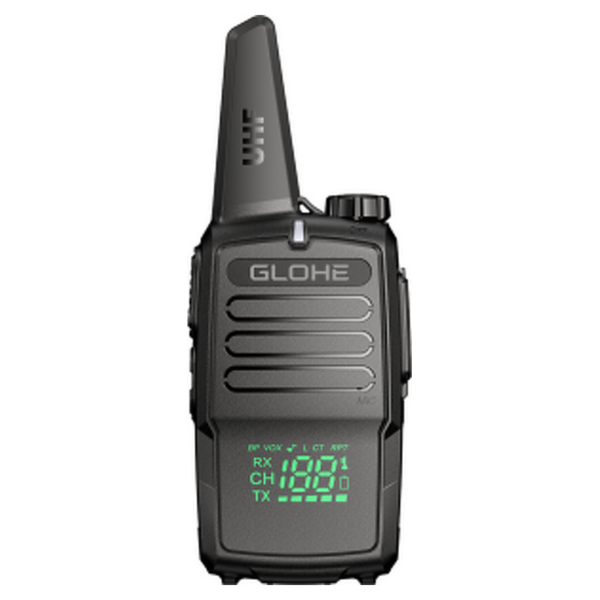
Primary technical criteria to compare
Compare radios against specific, measurable criteria: receive/transmit range under defined conditions, audio signal-to-noise ratio, RF sensitivity, and receiver selectivity. Review whether the device supports Tier II (conventional) or Tier III (trunked) DMR if trunking is required. Check encryption standards and whether the vendor supplies cryptographic key management that matches your compliance needs. Battery runtime should be measured under your typical duty cycle; published numbers rarely reflect continuous use. Look for published firmware update policies and the ability to roll back upgrades when an update causes incompatibility.
Software, integration and ecosystem differences
Vendors diverge on back-end software and system integration. Ask whether the radio integrates with dispatch consoles, GPS tracking platforms, and workforce management tools using open standards or proprietary protocols. Confirm interoperability tests with other vendors’ equipment if multi-vendor operation is a requirement. Also evaluate programming software usability—overly complex configuration tools increase deployment time and error rates.
Operational costs and support commitments
Compare total cost of ownership rather than headline unit price. Include licensing fees, spare batteries and accessories, maintenance contracts, and expected device lifespan. Probe service-level commitments: on-site repairs, replacement lead times, and firmware/security patch cadence. A cheap radio with a two-week repair turnaround can cost far more operationally than a slightly pricier model with next-day swap support.
Alternatives and when they make sense
Contrast DMR-capable radios with analog and cellular-based push-to-talk services. Analog holds value for simple, low-cost fleets where range and interoperability with legacy systems dominate. Cellular solutions suit dispersed teams requiring wide-area coverage and multimedia, but they depend on commercial networks and recurring data costs. Evaluate hybrids: devices that support DMR for local reliability and LTE for extended coverage can reduce single-point failure risk.

Common procurement mistakes to avoid
Buyers often assume lab specs transfer directly to field performance; they do not. Skip any supplier who resists an on-site acceptance test under your typical environment. Don’t overlook antenna and cabling quality—poor accessories degrade otherwise capable radios. Avoid choosing solely on brand familiarity; instead, require documented interoperability and service references from comparable deployments. Finally, ensure the warranty explicitly covers software faults that impair voice or signaling features.
Authority, experience and a real-world anchor
Reporting on hundreds of deployments highlights persistent patterns: clear agreements about interoperability, patching, and lifecycle support reduce downtime. The European Telecommunications Standards Institute’s DMR framework has guided many supply decisions, and its uptake across the United Kingdom’s utilities provides documented case studies for expectations in field performance. Those operational lessons align with technical guidance for digital mobile radio procurement and testing, reinforcing which tests reveal real-world weaknesses versus marketing claims.
Conclusion: What comparison yields
A practical, side-by-side comparison focused on measurable radio performance, integration capability, lifecycle cost and confirmed interoperability leads to durable choices. That pattern points to suppliers who document field results, publish realistic support terms, and supply predictable firmware paths. The pragmatic value of that approach is visible in vendor portfolios where sustained support and tested features match procurement needs, as reflected in offerings from GLOHE.
