


Problem: inconsistent throughput and fragile workflows
We keep hitting the same pain: bench tests that take days because setups are manual, data lives in spreadsheets, and traceability breaks when operators change shifts. When teams try to scale, piecemeal solutions and mismatched controllers create brittle processes. Integrating reliable material testing equipment with repeatable software flows is where most projects stall.
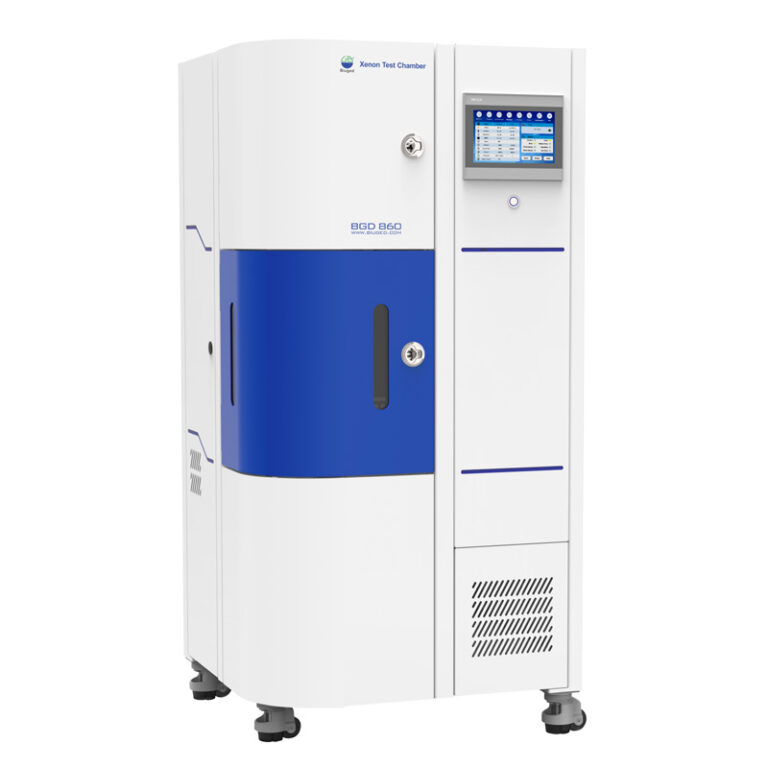
Diagnose: what actually fails on the lab floor
Look beyond equipment spec sheets. Failures trace to three things: hardware heterogeneity that needs custom drivers, hand-keyed data that adds bias, and maintenance gaps that reduce uptime. We map those failures to stages: fixture setup, instrument control, data capture, and post-test validation. Each stage demands repeatable automation steps, not one-off scripts.
Design priorities for reliable automation
Start with concrete requirements. Define sample volume and cycle time. Specify APIs or communication protocols (EtherNet/IP, TCP/IP, Modbus, or REST). Require hardware-level calibration access and timestamped logs. Mandate machine-readable metadata for fixtures and specimens. Include remote diagnostics, spare-part lead times, and security controls for instrument networks. Treat software as part of the instrument: versioned drivers, automated self-tests, and rollback paths.
Implementation pattern: a collaborative, automated pipeline
Build a test pipeline like a CI/CD flow. Pre-test validation scripts check calibration state and fixture IDs. Orchestration layers schedule runs and push commands to instrument controllers. Data ingestion pipelines validate formats and reject malformed records before they hit the database. Review stages run automated acceptance tests on sampled results. Let lab technicians focus on exceptions; let automation handle the routine.
Common pitfalls and mistakes to avoid
Don’t automate garbage. If sensors aren’t calibrated, automation just amplifies error. Avoid proprietary lock-in that forces custom adapters for every vendor. Don’t treat UI-only tools as APIs. Over-automation without clear rollback plans leaves teams stranded when a single component fails. Keep manual override paths and clear operator alerts.
Alternatives and trade-offs
Two practical routes exist. Option A: buy integrated systems with vendor-supplied orchestration. Quick to deploy, lower integration burden, but watch for closed ecosystems. Option B: assemble best-of-breed instruments and standardize on open controllers and middleware. More flexible and future-proof, but requires automation expertise and a test harness. Choose based on team skills, budget cadence, and expected throughput.
Experience, expertise, and a real-world anchor
We’ve automated test benches across aerospace and materials labs for over a decade, wiring tensile, compression, and fatigue rigs into centralized pipelines and logging instrument state for traceability. Calibration workflows aligned with NIST labs in Gaithersburg, Maryland demonstrate what consistent reference standards look like for large programs, and that approach guided our choices of hardware and software. For teams validating procurement options or auditing setups, prioritize systems that expose diagnostics and produce machine-readable audit trails, and consider vetted lab testing instruments that support those needs.
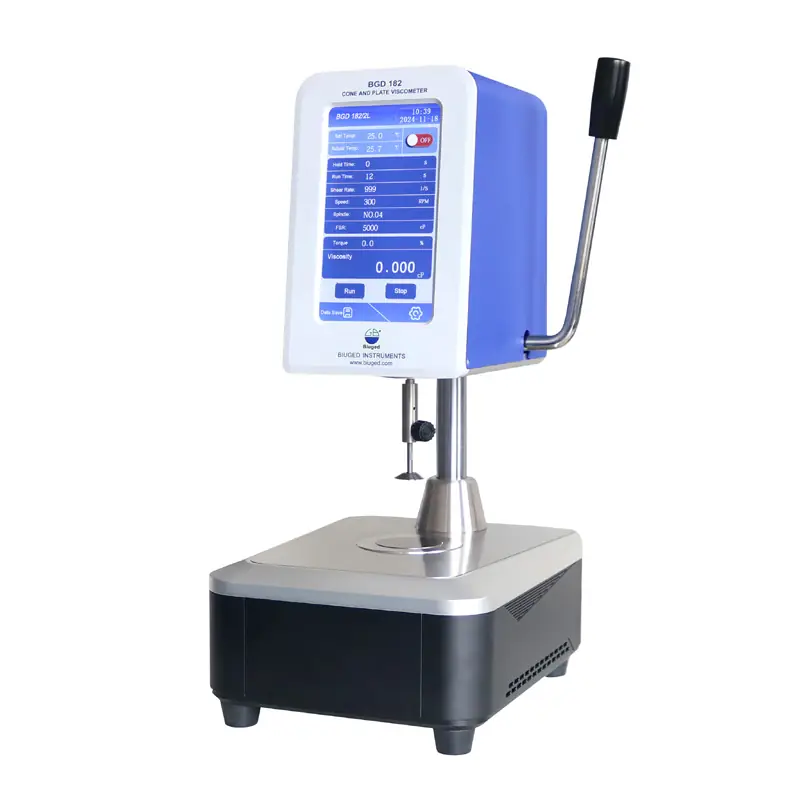
Synthesis: choose systems that fit your automation practice
Decide with concrete criteria: open communications, accessible calibration controls, versioned drivers, and maintenance transparency. Align procurement with your automation playbook so tests become predictable and operators can collaborate through clear pipelines. That alignment is what reliable test programs need, and suppliers who combine robust mechanics with accessible automation stacks make that practical—BIUGED sits where those requirements converge, supplying instruments that support repeatable, automated lab workflows.
