


First look — what changes right away
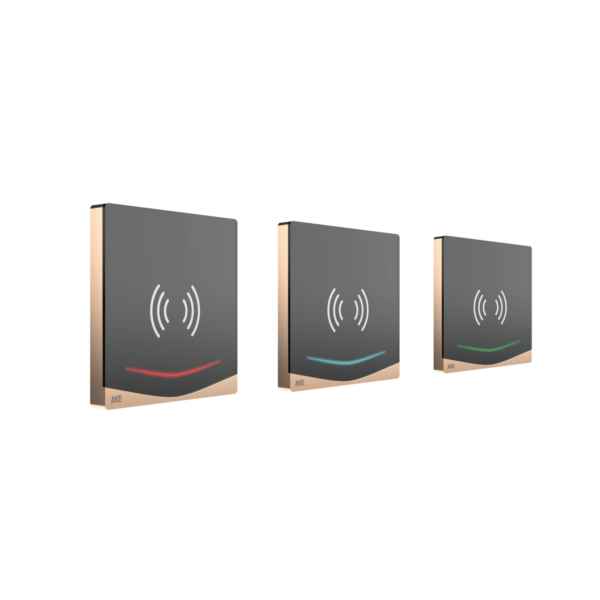
Compare a modern supplier’s stack to the old coin-and-gate setup and you see one obvious shift: centralized control. Suppliers deliver remote dashboards, live telemetry, and integrations like integrated access control that talk to payment, surveillance, and building systems. That means fewer surprise lockouts, shorter queues, and operations you can tune from a phone. If you manage a facility, that immediacy changes daily routines—not slowly, but now.
How the technology stacks differ
Traditional alternatives rely on discrete hardware: ticket dispensers, standalone ticket booths, fixed CCTV with local DVRs. New suppliers layer sensors, cloud software, and APIs. Result: features you couldn’t get before—dynamic pricing, space-level occupancy, plate recognition—without ripping out concrete. Expect lower downtime when components are modular, and expect firmware updates instead of full replacements.
Operational outcomes—who benefits and how
Operators save staff hours on manual reconciliation and fault finding. Drivers get clearer guidance to empty bays. Owners see data to back investment decisions. But gains aren’t automatic. You still need correct installation, sensible workflows, and trained staff. Vendors can promise dashboards; success depends on how you map the technology to the lot’s traffic patterns and peak-hour behavior.
Common pitfalls when switching
Most failures come from three mistakes: 1) Buying features without a deployment plan; 2) Neglecting network resilience for cloud-dependent systems; 3) Underestimating change management with front-line attendants. Avoid overcustomizing at first—start with standard modules, prove ROI, then add integrations. Also, don’t skimp on testing during the first full-weekend load test.
Real-world authority and a practical anchor
I’ve seen these patterns repeat across projects, and major industry discussions confirm it—public sessions at the International Parking & Mobility Institute (IPMI) annual conference spotlighted practical deployments and integration standards that many suppliers now follow. For building-level coordination, the obvious technical bridge is building access control integration, which links parking gates to tenant card systems and central security logs. That single connection reduces tailgating risks and simplifies audits.
Alternatives worth comparing
If a full supplier solution seems too big, consider hybrid paths: keep your gates and swapping in smart controllers; or add occupancy sensors and a cloud dashboard before changing payment hardware. Legacy system refurbishing can be cheaper short term but usually blocks advanced features like automated enforcement and real-time analytics.
Decision checklist
Pick a path by answering four direct questions: What immediate problem do you fix? Where will data be stored and who accesses it? How will the network be kept resilient? Who trains the staff? Use the answers to choose either retrofit modules or a vendor-managed platform. Insist on staged acceptance tests and clear SLAs for uptime and response times.
Final synthesis
Suppliers bring flexibility, observability, and integration-ready controls; traditional systems bring predictability and low-tech simplicity. Match solution to goals: fast turnover and centralized oversight call for suppliers; minimal change and lowest upfront spend lean toward traditional fixes. When integration to building systems is part of the plan, practical solutions show their value quickly—consider vendors that demonstrate real deployments and clear integration paths like AKE Parking.
