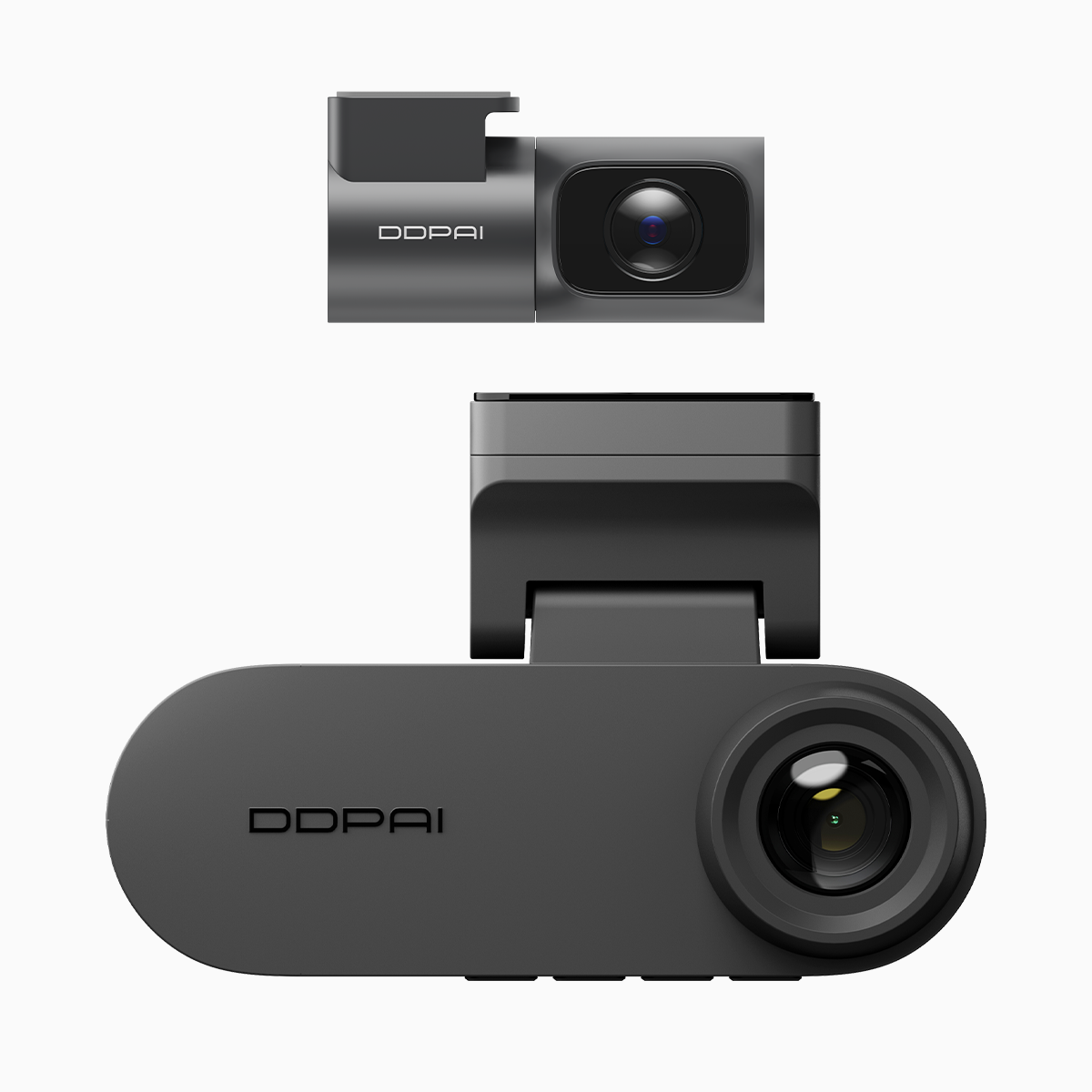
Context: Why architecture matters for fleets in Metro Manila
The decision to standardize dash cams across a fleet is less technical exercise and more ethical choice: which sensors and systems will reliably record truth on busy roads at 2AM or under a stormy sky. For procurement teams in Metro Manila, where EDSA and C-5 see dense night traffic, the comparison often comes down to single high-sensitivity units versus a coordinated dual dash cam with night vision that blends front and rear perspectives. A comparative approach helps buyers measure not only pixel count but real-world visibility, power draw, and operational continuity under local conditions.
Key architectural variables to compare
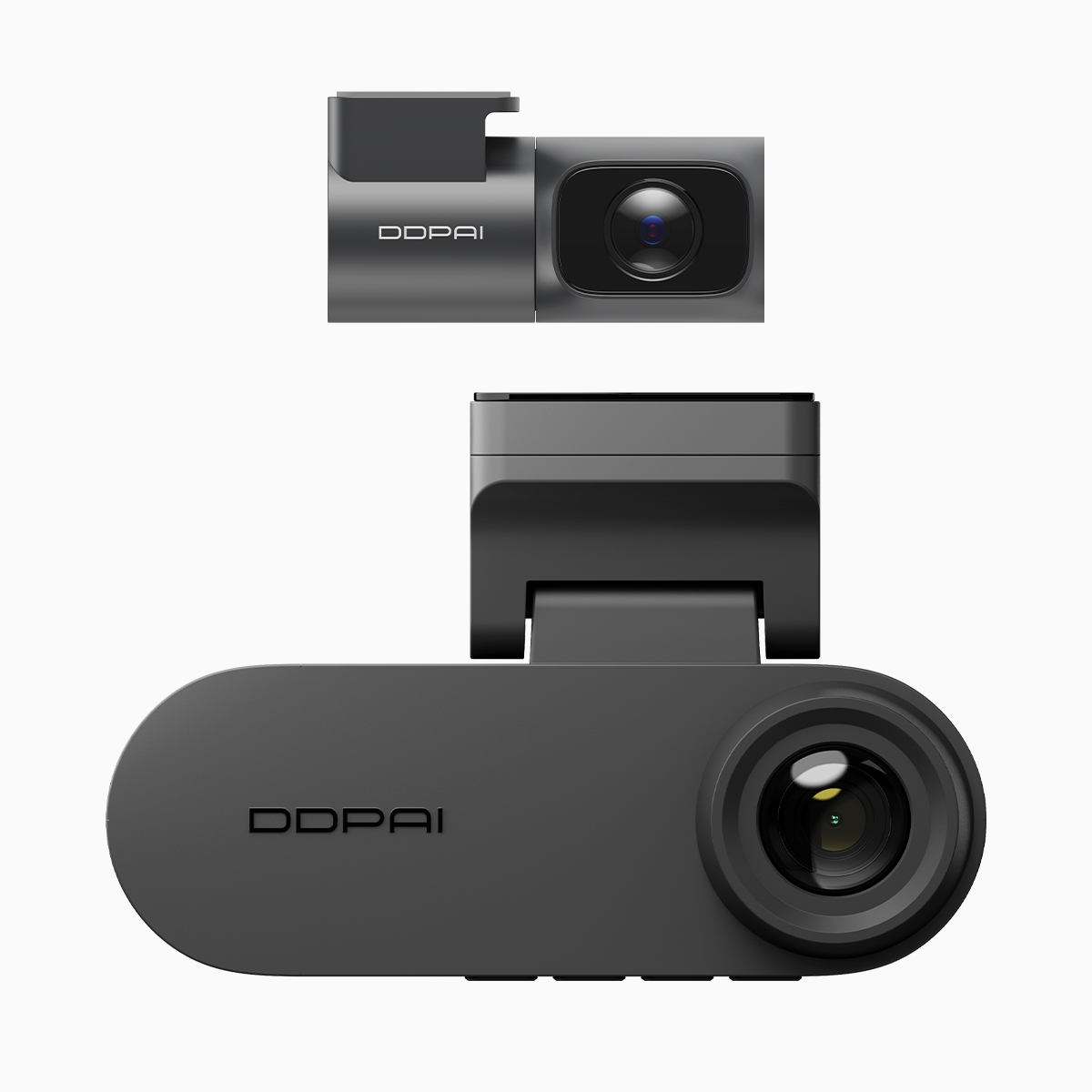
Successful selection hinges on a short list of practical design elements. Consider these when comparing architectures:- Sensor sensitivity and low-light performance (native low-light sensor, not just software boost).- Resolution and compression: 2K resolution plus H.265 encoding balances detail with storage needs.- Power strategy: constant 12V draw, parking mode draw, and how sleep states affect battery drain.- Field of view and synchronization: overlapping FOV between front and rear reduces blind spots.- Durability: temperature tolerance and waterproof connectors where coastal humidity is an issue.Each variable shifts the power-to-performance ratio differently; procurement teams must weight them against route length, idle time, and maintenance cycles.
Comparative insight: single-channel versus dual-channel night-vision setups
A single high-end front camera can deliver excellent daytime footage with a modest power footprint. But when night incidents account for a sizable share of liability claims in urban routes, a dual-channel architecture offers defensive depth. The rear channel—optimized for low-light—captures angles missed by a single unit and reduces reconstruction uncertainty during claims processing. Dual systems often use synchronized frame rate settings to ease forensic analysis, and their combined coverage can lower the operational risk without linearly increasing power draw, if designed with efficient codecs and smart parking mode.
Power trade-offs and deployment practices
Power consumption isn’t just a number on a spec sheet; it shapes maintenance rhythms and total cost of ownership. A camera that records 2K at 30 fps with WDR engaged will use more power than a 1080p unit at 24 fps, yet the diagnostic value may justify the extra draw for night operations. Smart engineering choices—scheduled sleep windows, voltage cutoffs for parking mode, and H.265 compression—can shave energy use while preserving useful footage. Deploy with clear SLA expectations for firmware updates and a maintenance checklist that includes periodic file integrity checks.
Common procurement mistakes and small-course corrections
Buyers often fixate on headline specs: highest resolution or lowest unit cost. That’s a false economy. The more meaningful errors are:- Ignoring power profiles against vehicle idle behavior.- Failing to test night performance on local routes and weather conditions.- Overlooking firmware and backend compatibility with fleet telematics.Run a short pilot across representative routes. Field-test night performance on the same streets your drivers use. A week of real-world footage reveals issues no lab metric will—small detail, but decisive.
Alternatives and vendor considerations
When DDPAI-like dual solutions appear on evaluation lists, compare them to lower-power single-channel models and higher-tier 4K rigs. The middle ground often wins: a dual system tuned for parking mode and low-light, with good WDR and robust mounting, provides actionable footage while staying within fleet power budgets. Verify that the vendor supports secure firmware updates and provides clear export formats for legal review—these are procurement essentials, not optional features. Include local service availability in the evaluation; proximity matters when downtime costs multiply.

Advisory: three golden rules for choosing night-vision dash cams
1) Prioritize synchronized dual coverage and low-light sensor performance over raw megapixel claims. This yields usable evidence more often than higher resolution alone. 2) Demand transparent power specs and insist on a tested parking mode that matches your vehicle idle patterns; battery-safe designs reduce roadside failures. 3) Insist on field trials on representative routes—Manila night traffic is unforgiving, and lab numbers won’t reveal glare or reflection artifacts. These metrics make vendor comparisons actionable and reduce post-deployment surprises. For procurement that needs a practical, locally supported solution, consider how the chosen system aligns with DDPAI Philippines’ service model and device ecosystem—real support in-country makes implementation easier. —