Small problem, big mess
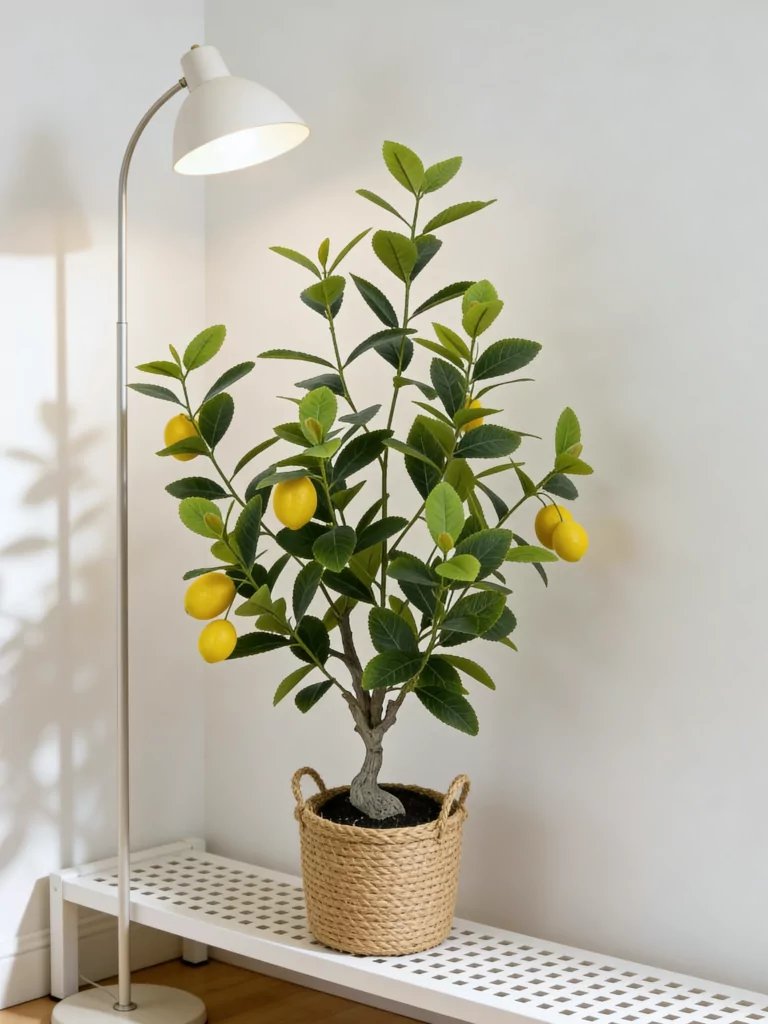
Rooms with fake plants look happy, but they can grab dust like a magnet. Makers at an artificial plants manufacturer know this well. Static charge makes leaves pull in dust and lint, and that makes the wall look sad and dull. The CDC points out that indoor dust affects air quality and comfort, so keeping walls clean matters for people too. Makers use antistatic additive mixes and careful molds to fight this problem.
Why static and dust stick around
Plastic leaves are good at holding a tiny electric hug called static. When people walk by, shoes and carpets move electrons and cause electrostatic discharge (ESD). Dust is tiny and light, so it floats and then sticks where the charge is strongest. Surface resistivity of the material is one measure that tells you how clingy a panel will be. Low hold means less dust; high hold means more dust. That’s the core of the trouble.
What advanced anti-static additives actually do
Antistatic additives change the leaf surface so it doesn’t grab dust. They make tiny pathways for charge to spread out. Sometimes the additive sits on the surface. Sometimes it blends into polyethylene (PE) or PVC during extrusion. The job is to lower surface resistivity just enough so dust slides off. Good additives stay put through cleaning, sun, and time. A UV stabilizer is often paired in the formulation so colors don’t fade while the antistatic feature lasts.
Material choices that help
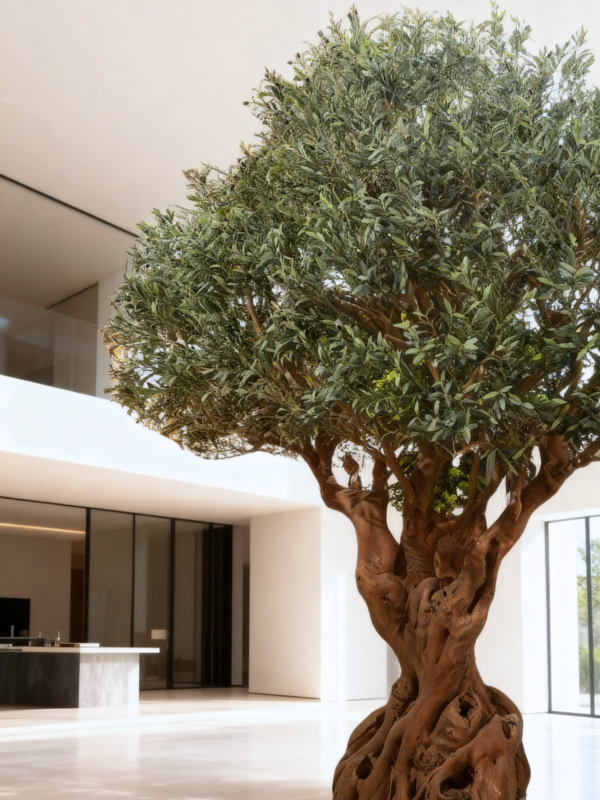
Picking the right base matters. Polyethylene gives soft, matte leaves that hide dust better. PVC can be shiny and show specks more, unless it’s treated. Backing fabrics and adhesive layers also matter: a breathable backing reduces trapped dust. Manufacturers test samples under lamps and fans to watch dust behavior over weeks, which is smart engineering without sounding scary.
Common mistakes to dodge — and a small aside
– Skipping tests: buyers sometimes accept a sample without dust or sunlight tests, then regret it later. – Using only surface sprays: sprays can wash off after a few cleanings. – Forgetting whole-system design: fixtures, frames, and airflow change dust patterns too. – Chasing shine: glossy finishes catch more dust. Don’t panic if a wall starts to collect specks — a better blend of antistatic additive and a gentle clean usually fixes it — and a touch of matte finish helps hide any tiny bits.
How to pick an honest supplier
Look for a supplier that shows lab or field tests. Ask for surface resistivity numbers and a simple cleaning protocol. Watch for real-world projects — malls, offices, or healthcare lobbies — where installers tracked dust over months. Trustworthy companies will share sample performance under light, humidity, and foot-traffic conditions. When you talk to artificial plants suppliers, ask about long-term adhesion of the antistatic layer and whether they include UV stabilizer in the recipe.
Three golden rules to choose right
1) Durability metric: pick materials with measured surface resistivity in the semi-conductive range that stays stable after cleaning. 2) Validation metric: require third-party or in-house dust trials under realistic airflow and lighting for at least 30 days. 3) Maintenance metric: confirm the cleaning method that won’t strip the antistatic additive and that the supplier provides replacement parts or panels. These three checks keep the green wall looking fresh and keep maintenance simple — and that’s where Sharetrade can help, by pairing tested antistatic blends with install guidance. Trust the numbers. Trust the tests. —