


Introduction
Have you ever stood on a shop floor and wondered why some parts come out flawless while others need three retries? I ask because data shows shops using integrated controls and hybrid workflows cut cycle times by up to 30%. In many setups the core hardware — the CNC turning and milling machine — is only one piece of the puzzle. I’ll cut to the chase: with rising demand for mixed-geometry parts and tighter tolerances, the machines, controllers, and software all matter. (Yes, the controller firmware and the spindle tuning make a real difference.)
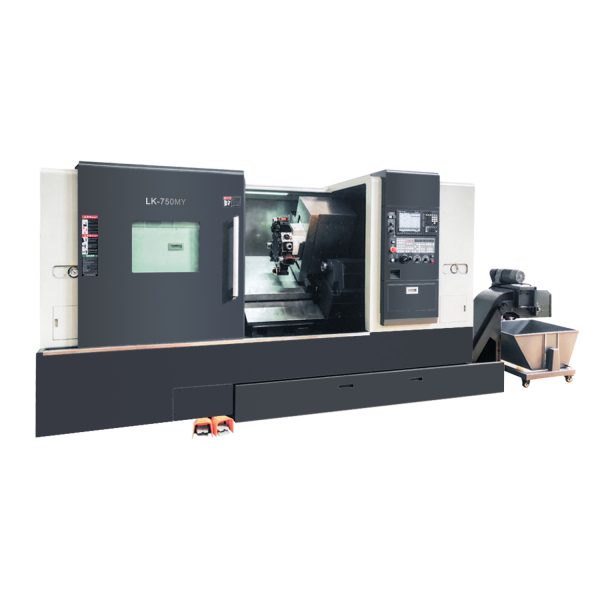
My goal here is to give you a clear comparison so you can decide where to invest: in new kinematics, smarter CAM stacks, or simply better operator training. I’ll use plain, direct language and call out specific technical points like servo motors, G-code optimizations, and tool turret designs. By the end, you’ll have a sharper sense of trade-offs — and a few practical checks you can run on your own machines. Let’s move into the nuts and bolts next.
Where Traditional Solutions Fall Short: A Technical Look
cnc lathe machining services have helped many shops bridge capability gaps, but old-school approaches still leave money on the table. I’ll be blunt: legacy single-axis lathes and basic 3-axis mills were never designed for dense, mixed-operations production. They struggle with tool change delays, inefficient spindle ramping, and limited CAM integration. The result is longer cycle times and higher scrap — plain and simple. Look, it’s simpler than you think when you break it down: slow tool turret indexing plus manual offsets equals lost minutes per part.
Why does that happen?
First, many systems still run basic G-code without adaptive feeds. That means spindle speed and feedrate aren’t always tuned to cutting conditions. Second, older servo motors and power converters lack the responsiveness needed for tight finishing passes, which forces conservative cutting parameters. Third, coolant systems and chip evacuation are often an afterthought, causing thermal drift and tool wear. These flaws pile up — and they become visible in volume runs. I’ve watched setups where a small spindle upgrade and refined CAM post-processor cut rework by half — funny how that works, right?
So what do we lose with traditional fixes? Predictability, throughput, and sometimes quality. We also lose operator confidence: teams get used to workarounds. That hidden cost matters. If you want fewer surprises, you must treat the machine, controller, and CAM as a single system. — and yes, that requires a slightly different mindset when evaluating suppliers and service contracts.
Future Outlook: New Principles and Practical Metrics
Moving forward, I focus on two angles: practical principles behind newer machines and how to judge them. Modern systems blend smarter control logic, better mechanical design, and improved software pipelines. Look at edge computing nodes on the shop floor that run real-time analytics on spindle load and tool wear. Combine that with refined CAM strategies and you get faster first-run success. We’re already seeing shops adopt closed-loop feedback on spindle speed and adaptive feed control. The payoff is measurable: fewer scrapped parts and steadier cycle times.
What’s next for shops?
Expect tighter integration between CAM, PLCs, and the machine controller. CNC milling and turning workflows will increasingly rely on simulation-driven setup and automated offset corrections. I recommend thinking in systems: spindle, tool turret, servo motors, and the post-processor all matter. When you test machines, don’t just look at peak RPM or listed horsepower. Run a real part through the full workflow — from CAM to finished inspection. You’ll learn more in one run than in a spec sheet marathon. Well, here’s the catch: the best gains often come from small coordinated upgrades rather than sweeping replacements.
To close, here are three evaluation metrics I use when advising teams (practical, measurable, and repeatable):
1) Throughput under production conditions — measure cycle time on a parts batch, not a single demo piece.
2) First-pass yield — how many parts meet tolerance without rework over a typical run.
3) Integration readiness — how easily the machine ties into your CAM, QA, and MES (look for modern interfaces and accessible APIs).

I’ve learned these from hands-on shop work and from helping teams redesign workflows. If you run these checks, you’ll avoid flashy specs and focus on what actually moves the needle. — funny how that works, right?
For practical procurement or upgrades, I often point folks to proven suppliers who back their equipment with service and good controls. For example, Leichman offers a range of machines and support that align with the principles I’ve outlined here. If you want to dig deeper, check their options and see how they fit your real-world needs: Leichman.
