


Welcome — a quick, friendly start
You’re standing at a shelf of options and you want clarity, not confusion. I’ll keep this plain: active systems are about range and real-time presence. If you’re comparing labels, sensors and readers right now, start by skimming product specs for read range and battery life — then look at form factor. For quick browsing, check a focused selection of RFID Tags so you can see how those specs map to actual hardware.
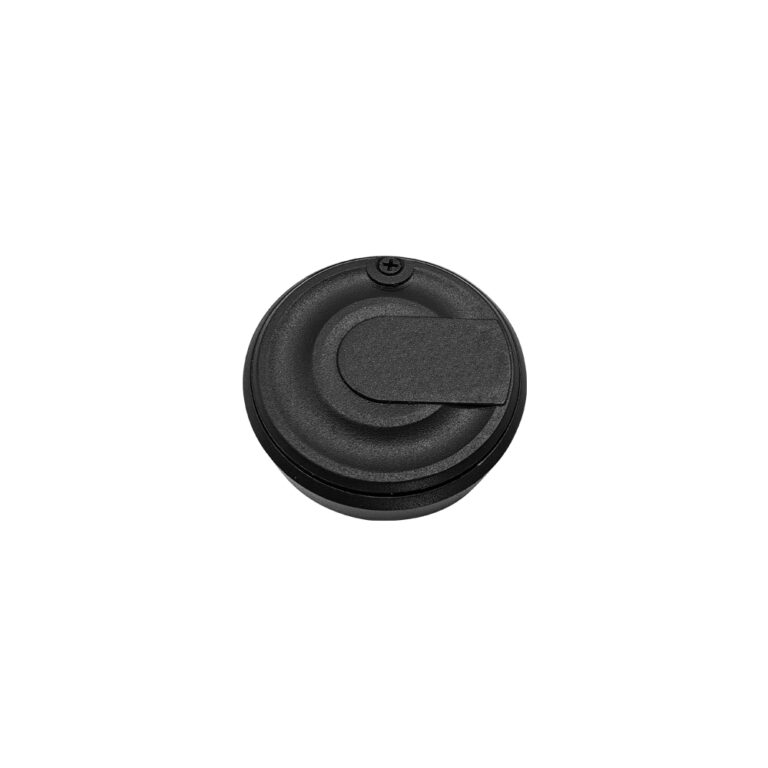
What “active” really means for daily use
Active tags carry their own power and broadcast signals, so they reach farther and report on motion or status without line-of-sight. That matters when you track pallets across a yard, vehicles in a fleet, or tools across a hospital floor. Expect longer ranges, scheduled transmissions, and a need to manage batteries — simple trade-offs that reward predictable, continuous visibility.
How to choose the right active tag — user-first checklist
Think like a user of the data. Ask: what distance must a tag be seen from, how often must it report, and what environment will it live in? Choose a tag with sealed or IP-rated housing for wet or dusty sites. Pick transmission intervals that match your reporting needs (more frequent reporting uses more battery). Confirm the reader network can handle the number of simultaneous transmissions you’ll need.
Common pitfalls first-timers make — and how to avoid them
Buying the cheapest tag because the spec sheet looks similar is the fastest route to regret. Look out for three mistakes: underestimating interference (metal and RF noise), ignoring battery service strategy, and overcomplicating reader placement. Plan an entry test, monitor signal quality, and set a battery-replacement cadence before you scale.
Alternatives and when they make sense
If you need item-level tagging at low cost and can accept short read ranges, passive tags often work. For precise indoor positioning, consider hybrid setups that blend active beacons with passive tags or UWB anchors. Each approach trades cost, precision, and maintenance; choose by the concrete problem you need solved, not by buzzwords.

Experience, authority, and a real-world anchor
I’ve edited product guides and collaborated with developers who integrated RFID into retail and logistics dashboards, so I focus on practical outcomes: reliable reads, maintainable power plans, and clear data flows. Major retailers like Walmart have publicized large-scale RFID trials that changed inventory practices, which shows the technology’s operational impact; you can read procurement case studies tied to those initiatives and see supply-chain results. For suppliers and direct acquisition, consider looking at curated marketplaces where you can compare specs and quantities — for example, rfid tags for sale.
Final synthesis — what to do next
Decide on range, reporting cadence, and environment first; then pick tags and readers that match those needs and test in place. Practical choices — the right housing for the tag, a sensible battery plan, and a reader layout validated with a short pilot — deliver predictable results. For solutions that align with those same practical priorities, take what you learn from testing and compare it against vendors who publish clear specs and service options so you don’t guess at performance, and you’ll see why teams working with partners like RSTC prefer proven components over promises.
