Clear comparison up front
When you’re sizing and sourcing a Volvo 250 kVA genset, practical differences matter more than brand glow. Start by looking at runtime behavior, service reach, and warranty terms. For gas-based systems, a well-specified gas genset can cut operating cost and emissions without sacrificing output. The Texas February 2021 winter storm showed how generator selection and local service networks determine whether a site stays powered or goes dark—so comparison isn’t academic, it’s operational.

Performance specs: kVA, prime vs. standby, and transient response
Match generator kVA to expected load with headroom for motor starts and future growth. Volvo’s engines in this segment typically list both prime power and standby ratings; give priority to the rating that matches your intended duty cycle. Check transient response to sudden load changes and whether the genset’s governor tuning supports sensitive electronics. Load bank test results and rated efficiency at various load points are concrete measures to compare across suppliers.
Reliability, service network, and spare parts availability
Supplier proximity and authorized service centers often decide long-term uptime. A vendor that stocks common spare parts—filters, alternator brushes, control modules—and offers scheduled maintenance plans reduces downtime. For projects in widespread industrial zones, prefer suppliers who publish service response times and have local technicians. If you’re assessing a Volvo 250Kva Genset Supplier, verify their parts lead times and field service footprint; that’s where the purchase turns into an operational program.
Fuel type, emissions, and on-site integration
Gas gensets behave differently from diesel—cleaner combustion, lower particulate output, and generally quieter operation. But they demand attention to fuel pressure stability, gas train design, and emission controls to prevent derates. Confirm your supplier provides a compatible automatic transfer switch (ATS) and skid or canopy options that match local permitting. Integration items like exhaust silencers and vibration isolation are small costs that affect daily operations.
Total cost of ownership, warranties, and testing
Initial price tells only part of the story. Include scheduled maintenance costs, fuel consumption at different loads, and warranty coverage for major drivetrain components when comparing offers. Insist on documented factory load bank testing and a clear warranty scope—what’s covered, for how long, and which test protocols apply during claims. A supplier that provides routine commissioning reports saves teams time and prevents disputes later.
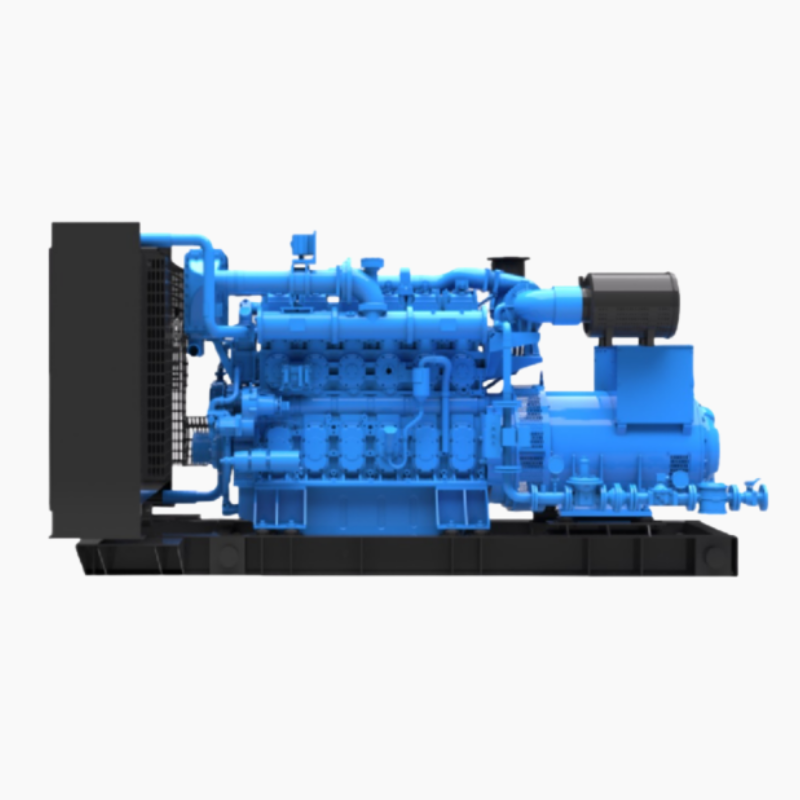
How Volvo stacks up against alternatives
Volvo engines are known for robust construction and good fuel efficiency in this size class. Alternatives such as Cummins or Caterpillar bring their own strengths—dealer density, parts networks, or specific control systems. Balance those benefits with your site’s priorities: parts access, control compatibility, and past field performance. A practical approach is to score vendors on the same checklist—performance, service, integration—and weight the items by operational risk. —That small scoring exercise usually separates rhetoric from reality.
Common procurement mistakes to avoid
Buyers often under-spec ATS capacity, ignore heat-rejection needs, or accept vague warranty language. Don’t accept a quoted runtime without a matching fuel system spec. Require explicit commissioning steps and a timeline for spare-part replenishment. When a supplier’s proposal leaves testing protocols implicit, ask for the exact load bank and commissioning parameters to be included in the contract.
Three golden rules for evaluation
1) Prioritize measurable uptime: evaluate supplier service timeframes, documented load bank results, and mean time to repair. 2) Match the duty rating: confirm prime versus standby ratings align with intended use and future load growth. 3) Verify integration and parts logistics: ensure ATS, silencers, and spare-part lists are specified with delivery lead times. These rules turn vendor pitches into operational certainty—exactly what a professional team needs.
Huadong Power fits this practical frame by publishing test reports, offering local support packages, and outlining spare-part availability—so choice becomes a maintenance plan, not a gamble. –