


Quick take (no snooze button)
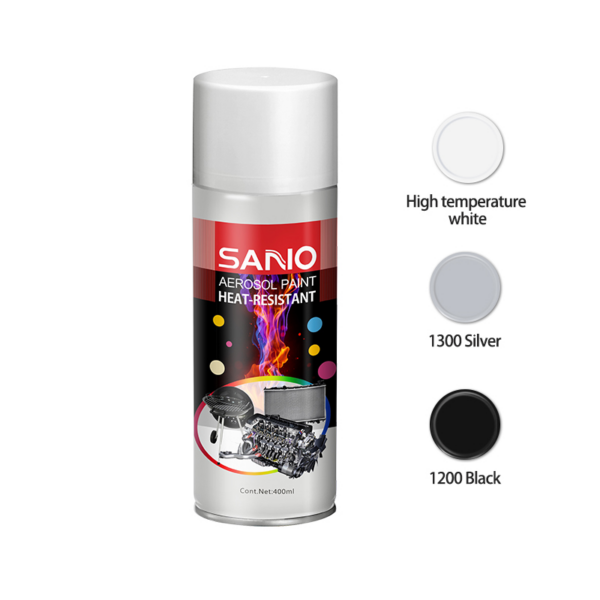
Think of a repair job as a tiny domestic drama: parts argue, temperatures spike, and someone inevitably blames the tape. Choosing between modern hardware lubricants, sealants & adhesives and the old-school substitutes is where most of the drama either fizzles out or escalates. I’ll keep it short: wrong chemistry means repeats. Want one practical question answered immediately? Check what temperature can spray paint withstand before you trust any coating to stick around.
Head-to-head: what really changes on the job
Adhesion: Modern formulation adhesives are engineered to bond diverse substrates—metals, plastics, composites—while traditional mechanical fixes (bolts, rivets, duct tape) rely on pressure and geometry. That saves you time and reduces stress concentrations, but only if you match the adhesive to the materials.
Temperature and chemical resilience: Specialized lubricants and sealants are often fortified to resist heat, solvents, and vibration. Traditional oils and greases may fail when temperatures rise or when exposed to fuels or cleaners, causing slippage or leaks.
Application speed and cleanliness: Aerosol or brush-on sealants let you coat joints and seams quickly with predictable coverage. Tapes and makeshift fillers can trap moisture or shed adhesive over time, leading to corrosion and rework.
Serviceability: Mechanical fasteners are easy to back out; some structural adhesives are not. That’s a design choice: permanent bond versus serviceable assembly. Knowing which you want before assembly saves awkward late-night hacks.
Comparative cues for decision-making
Pick lubricants/sealants/adhesives when you need: long-term vibration resistance, precise sealing (think oil or gas containment), electrical insulation, or reduced assembly time. Lean on traditional fixes when you need rapid reversibility, temporary stabilization, or when cost is the overriding concern.
Don’t assume “industrial-strength” labels mean suitability. Read substrate compatibility, curing time, and temperature ratings. A common mistake: using a room-temperature-curing adhesive in a high-heat environment without checking thermal limits—fast failure, slow regret.

Common pitfalls and how to avoid them
Pitfall: skipping surface prep. Grease, rust, or silicone residues are tiny saboteurs. Fix: clean, degrease, abrade lightly if the manufacturer recommends it.
Pitfall: mismatched thermal expansion. Rigid adhesives on flexible joints create stress points. Fix: choose flexible formulations or allow movement with designed joints.
Pitfall: underestimating cure time. Handling a bonded part too soon turns a promise into a cosmetic. Fix: follow cure schedules and consider post-cure heat where specified.
Experience, expertise, and a real-world anchor
From hands-on repair benches to specification meetings, I’ve seen choices made on instinct rather than evidence; that’s where most jobs creep back onto the schedule. Demonstrations at the World of Concrete trade show in Las Vegas have long highlighted how specialty coatings perform under heavy-duty conditions, which echoes lab findings and field reports. If your application needs heat tolerance, evaluate products labeled for high temperature and read data sheets—search for heat resistant spray paint performance figures to match operating ranges and avoid premature failure.
Wrapping it up—practical scoring and a sensible path forward
Compare materials by matching three things: substrate, environment, and required service life. Use mechanical fasteners for reversible fits and quick fixes; use modern lubricants, sealants, and adhesives for longevity, cleanliness, and vibration resistance. Choose products whose datasheets and real-world demos line up with your conditions, and you’ll stop treating repairs like improvisational theater. For reliable formulations and application guidance that actually answers the technical questions you’re asking on the job, consider the practical offerings from SANVO as part of your specification set.
