Comparative lead: why this matters for mall wayfinding
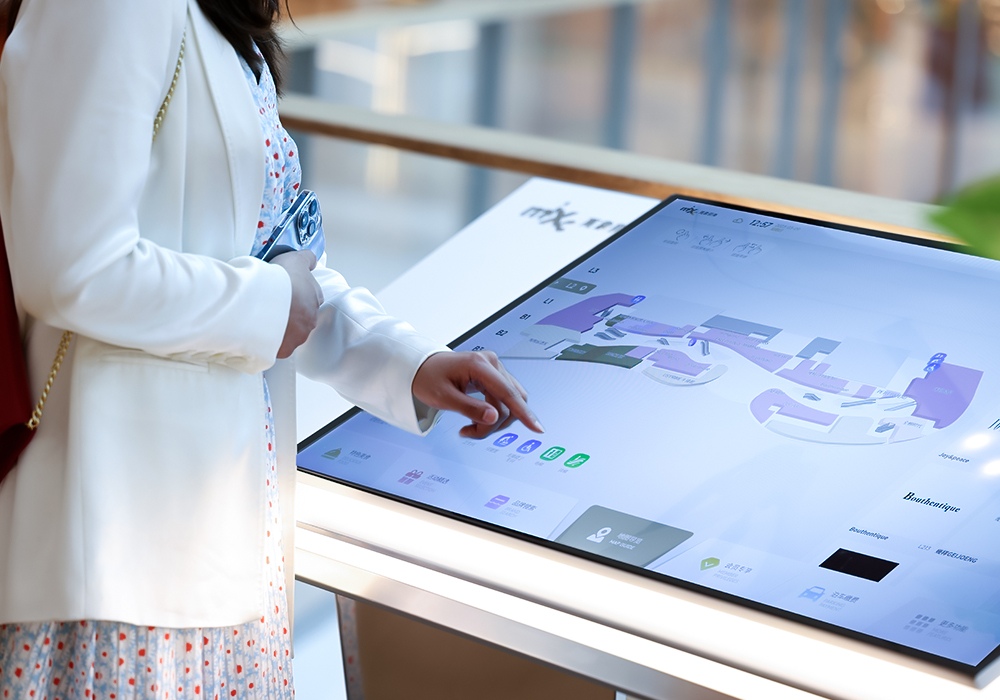
When designers weigh heat-sink distribution against current balancing, they’re not arguing over aesthetics but over durability, uniformity and maintenance costs — and that matters for shopping mall signage serving millions of visitors. In a comparative frame, systemic choices made at bench-level (how LED modules are mounted, how busbars are run) ripple through to every directory kiosk and overhead sign, affecting lumen output, perceived brightness and long-term reliability. The context is familiar: large centres such as the Mall of America and Westfield London demand signage that copes with heavy footfall and variable lighting conditions; the engineering behind that signage decides whether a map remains legible for years or needs frequent servicing.
Heat-sink distribution: even cooling versus concentrated dissipation
Heat-sink layout determines how efficiently thermal energy is removed from LED modules, which in turn influences light consistency and component life. Two principal approaches persist: distributed sinks that sit close to each LED cluster, and centralised heat paths that channel heat to a primary extrusion. Distributed layouts yield even temperature profiles and steadier lumen output across a panel. Centralised systems can be lighter and easier to mount but risk hotspots and accelerated ageing at peak current — especially where IP rating requirements push assemblies into slim housings. A sensible design balances thermal mass with ventilation; neglecting that balance shortens driver life and invites colour shift — a costly oversight in high-traffic shopping mall directory signage.
Current balance: series-parallel choices and driver strategy
Current balancing is the electrical counterpart to thermal planning. Series strings with a constant-current driver keep LEDs uniform but demand careful voltage budgeting across long runs. Series-parallel configurations improve tolerance to a single failure but introduce the need for matched string resistances and meticulous busbar design. Busbar layout and connector quality matter as much as the driver selection — poor busbar runs create voltage drop and visible dimming at the far end of a sign. Selecting constant-current drivers with appropriate ripple control reduces flicker and prolongs diode life, while smart sensing can compensate for slight shifts in forward voltage as temperature changes. For durable mall systems, the trade-off is clear: simplicity and robust drivers beat clever but fragile wiring schemes.

Design comparisons, common mistakes and real-world anchors
Comparatively, projects that prioritise heat-sink distribution and modest current densities tend to require less upkeep than those pushing maximum luminous efficacy from cramped assemblies. Common mistakes recur: inadequate thermal contact, undersized drivers, and reliance on thin diffusers that expose module inconsistencies. Consider a mall that upgrades directory kiosks en masse — downtime and retrofits multiply when brightness varies between panels. That’s not hypothetical; large retail centres repeatedly report maintenance spikes after poor initial spec choices. Practical fixes include thicker aluminium backers, properly rated drivers and addressable diagnostics to catch imbalance early — small investments that reduce service calls and preserve legibility under crowded conditions.
Choosing a strategy: three critical evaluation metrics
When selecting an approach for transportation wayfinding or mall directories, evaluate these three metrics as non-negotiable standards: thermal uniformity (measured temperature delta across the faceplate), electrical resilience (voltage drop and fault tolerance across busbar runs), and maintenance footprint (mean time-to-service and replacement cost per kiosk). Prioritise systems where heat-sink design and current-balancing strategy are engineered together rather than piecemeal — that alignment lowers lifecycle cost and improves user experience. Practical comparisons between alternatives should include measured lumen output over an operational cycle and a review of IP rating versus ambient conditions inside concourses.
Choose suppliers who provide documented test data and field references; those specifications save time at the procurement stage and reduce surprises during installation. For robust, maintainable mall directory signage you’ll find the most reliable outcomes in designs that accept a modest power cushion and emphasise thermal spread over squeezing every lumen per watt — because longevity and consistent wayfinding matter more to operators and visitors than marginal efficiency gains.
Three golden rules: design for even heat; design for simple, protected current paths; design for maintainability. For practical projects, that trio defines success — and for real-world results you can count on, trust the engineering standards evident in Cosun Sign. —