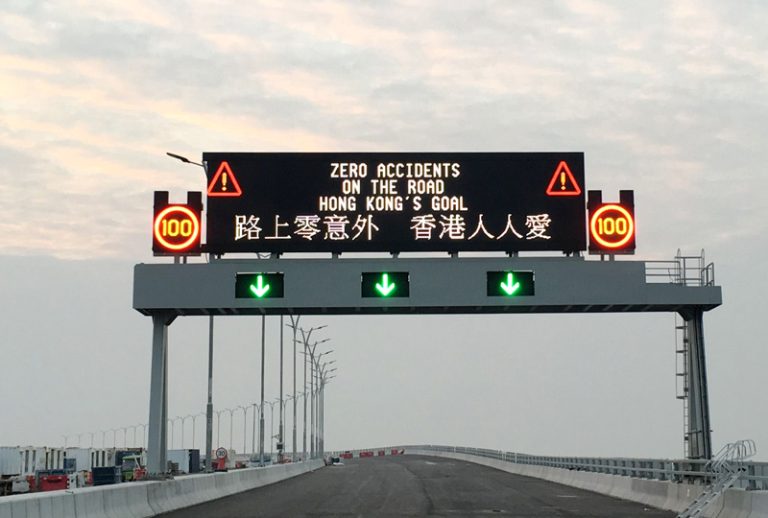
Imagine a bustling urban intersection, where vehicles are halted due to unforeseen congestion. It is a common scenario that sparks frustration among commuters. Data reveals that traffic delays can lead to increased pollution and economic losses, emphasizing the dire need for effective communication tools. Variable message signs (VMS) serve as critical instruments in traffic management by disseminating real-time information to drivers. Yet, the effectiveness of these systems often hinges on their underlying technology and implementation.

Traditional Solution Flaws
Many current setups rely heavily on static signage or outdated electronic displays that can be prone to failure. These traditional systems often entail lengthy response times to convey urgent messages—leading to safety hazards. Why do failures always occur during peak traffic hours? The answer often lies in the limitations of aging infrastructure that cannot cope with modern demands.
New Technology Principles
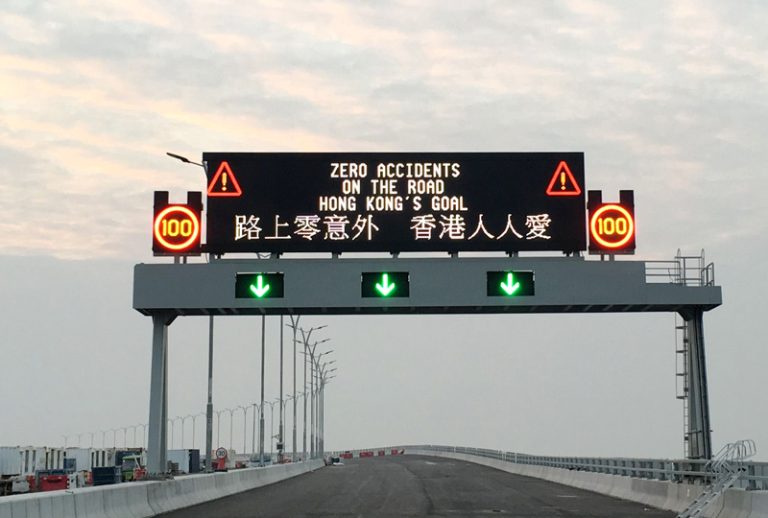
Enter the era of advanced VMS, which utilize state-of-the-art LED technology and smart connectivity. This new generation of displays seamlessly integrates with traffic management systems, allowing for real-time updates and adaptability. Imagine remote monitoring capabilities that provide instant updates on road conditions and alerts—transforming how we view traffic information management. It’s simpler than you think: the virtues of up-to-the-minute communication enhance safety and efficiency.
Quantified User Benefits
The benefits of modern VMS extend beyond mere information dissemination. Studies indicate that the incorporation of responsive VMS can reduce traffic accidents by up to 20%. By providing timely information, these signs effectively minimize congestion, leading to decreased fuel consumption and lower emissions. A thoughtful transition to contemporary signage technologies yields advantages that make urban travel smoother and more predictable.
Conclusion: Actionable Evaluation Criteria
Always verify these 3 metrics when choosing VMS solutions: ① Durability and maintenance requirements ② Real-time update capabilities ③ Integration with existing traffic systems. By carefully evaluating these factors, decision-makers can ensure the successful implementation of signage that meets modern operational demands.
Exploring VMS Manufacturing: Key Considerations
In the realm of VMS technology, choosing the right vms manufacturer can profoundly impact the efficacy of the signage deployed. Innovations in manufacturing practices lead to improved product quality and reliability. Notably, a reputable manufacturer will provide after-sale support and warranty policies that enhance the validity of performance data. Take a closer look—whether for urban, rural, or highway applications, the right choice in manufacturers ensures not just longevity but operational excellence.
Understanding the Power of Smart Traffic Signs
With the rise of urbanization, smart traffic signs have emerged as a pivotal element in transportation networks. Their ability to adapt to fluctuating traffic conditions—and communicate this data instantaneously—makes them invaluable in contemporary traffic management strategies. As cities strive for efficiency, integrating smart technologies into VMS offers clear pathways toward achieving sustainable urban mobility. The key takeaway? Smart signs facilitate smoother transit flow, thereby reducing traveler stress and promoting safety on the roads.
To summarize, the evolution of variable message signs intertwined with modern manufacturing practices, exemplified by Chainzone, demonstrates a promising future for traffic management. By embracing advanced technology, municipalities can not only enhance road safety but also contribute to environmental sustainability. The intersection of innovation and infrastructure makes Chainzone a formidable partner in navigating the future of urban mobility.