


The Meet-Up Myth vs. Real-World Pace
You roll into the lot at dusk, helmet still humming from the ride, and all the talk is about “who’s fastest” and “who’s not.” A 500cc cruiser sits there, chrome warm in the sun. The numbers fly: 46–50 hp, mid-40s lb-ft of torque, wet weight near 180–200 kg—so, can it really keep up on the highway sprint? Here’s the twist: riders confuse spec-sheet bragging with real-world pull, and the torque curve (not peak horsepower) decides who jumps first at 30–60 mph. Add in gear ratios, ECU mapping, and even how the final drive translates crank effort to the road—suddenly the picture shifts. And ride feel is often louder than raw stats—funny how that works, right?

I’ve watched small-bore cruisers glide past bigger bikes when traffic pinches, when the road rises, or when smooth fueling beats a clumsy throttle hand. Data says one thing; the seat of your pants says another. So ask yourself: what matters more in your commute or weekend blast—paper speed or real surge? (Be honest.) Because the answer changes how you shop, tune, and ride. Let’s open that gap and see what’s inside—then close it for good.
Under the Surface: Why “Fast” Isn’t Always Fast
What’s really slowing you down?
We talk about speed like it’s a single number. It isn’t. For fast cruiser bikes, the hidden pain points are simple but sneaky. Riders chase top-end horsepower, yet day-to-day pace lives in the midrange. That’s where torque delivery, final drive ratio, and throttle response win. If your ECU mapping is jumpy off-idle, you waste grip. If the gear ratio is too long, you lose that clean roll-on. If the rake and trail stretch too far, turn-in feels lazy and you wait—precious seconds. Look, it’s simpler than you think: the bike that feels eager at 4–7k rpm often outruns a stronger spec on tight streets.
Comfort can drag you, too. Reach and peg position change how well you hold steady throttle, which changes fueling smoothness. A soft fork can dive on brakes, shifting weight and upsetting corner exits. ABS is great, but early intervention can lengthen stops on bumpy tarmac. Add wet weight and wind at your chest, and you get fatigue that steals speed by minute 20. The fix isn’t magic. It’s about aligning torque curve with your route, sizing sprockets to your roads, and choosing rubber that grips at your real riding temps and pressures—because the road pays zero attention to peak power numbers.
Next-Gen Confidence: Small Displacement, Bigger Wins
What’s Next
Here’s the comparative truth: mid-class cruisers are leaning on new tech principles to punch above their class. Throttle-by-wire smooths tiny wrist inputs, so the midrange hits clean without surging. Better combustion design—think efficient ports and sensible compression ratio—broadens the useful powerband. Add a counterbalancer to calm vibes, plus a slipper clutch to settle downshifts, and your rhythm improves lap after lap, light to light. Even small chassis tweaks—1–2 degrees in rake, a few millimeters in trail—sharpen steering without killing stability. Pair that with modern fuel injection, and you get repeatable launches that feel faster than spreadsheets. Compare two similar bikes, and the one that meters torque cleanly at 40–70 km/h often “wins” real roads.
Looking ahead, expect smarter modes and adaptive ECU logic to tailor delivery by load, gradient, and temp. That means 500cc cruiser bikes can carry long-legged gearing for calm cruising, then still snap awake for short passes—because the bike “reads” the moment. Materials are trending lighter, too, trimming unsprung mass for brakes and wheels. The upshot? The gap we opened in Part 2 can close with a few clean choices. And yes, it changes buying checklists—funny how that works, right?
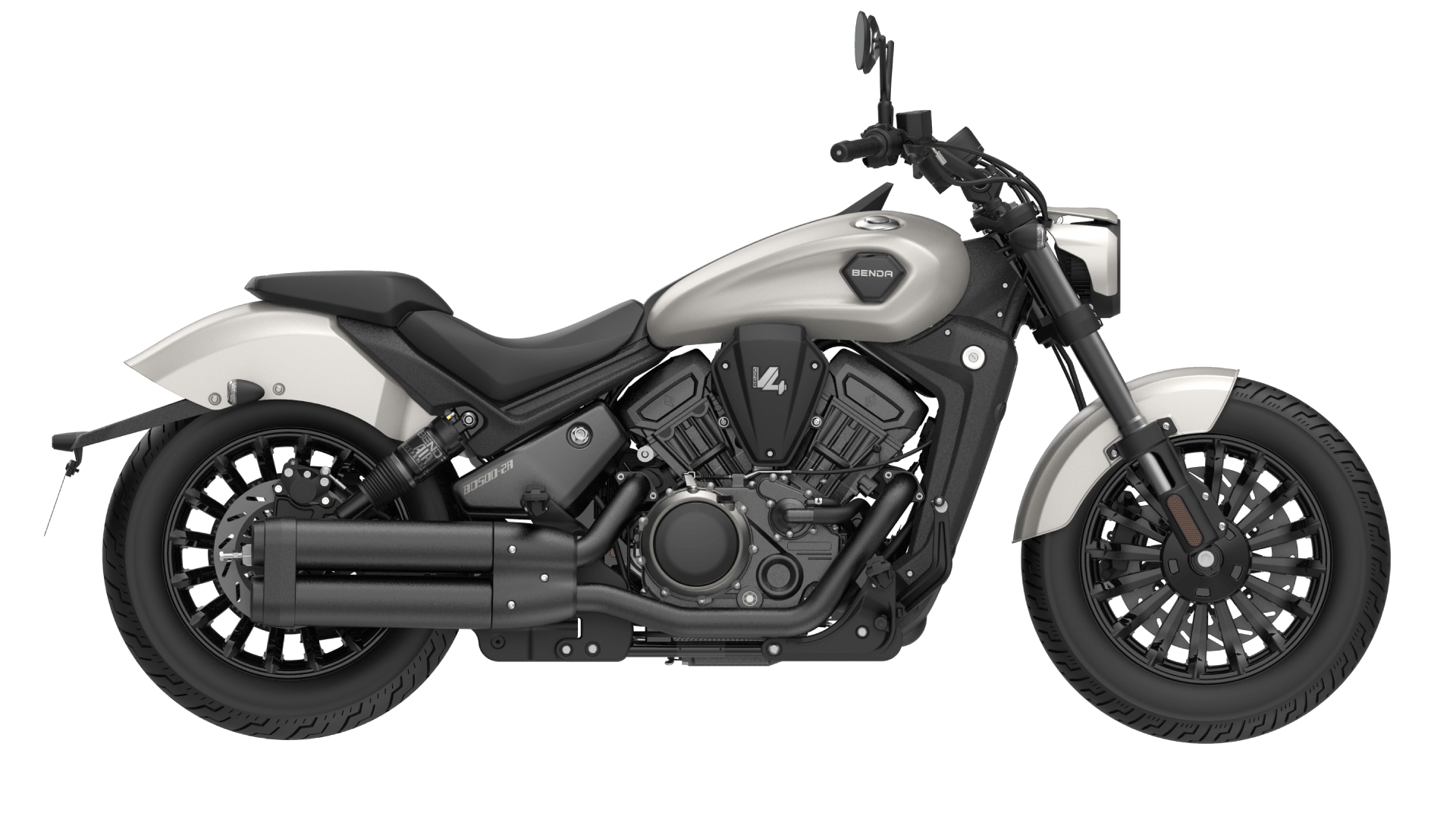
Advisory close: when you compare options, use three hard metrics. One: torque-to-weight at 4–7k rpm (your real-world band). Two: gearing audit—engine rpm at 70 mph in top gear, and the final drive sprocket math. Three: chassis geometry and brakes—rake/trail plus rotor size and pad compound, because control is speed. Fold in your streets, your load, and your ride time. Then decide with a cool head, not a loud spec. For a broader view of where this segment is heading, keep an eye on evolving platforms like BENDA.
