How this comparison matters to attendance and operations
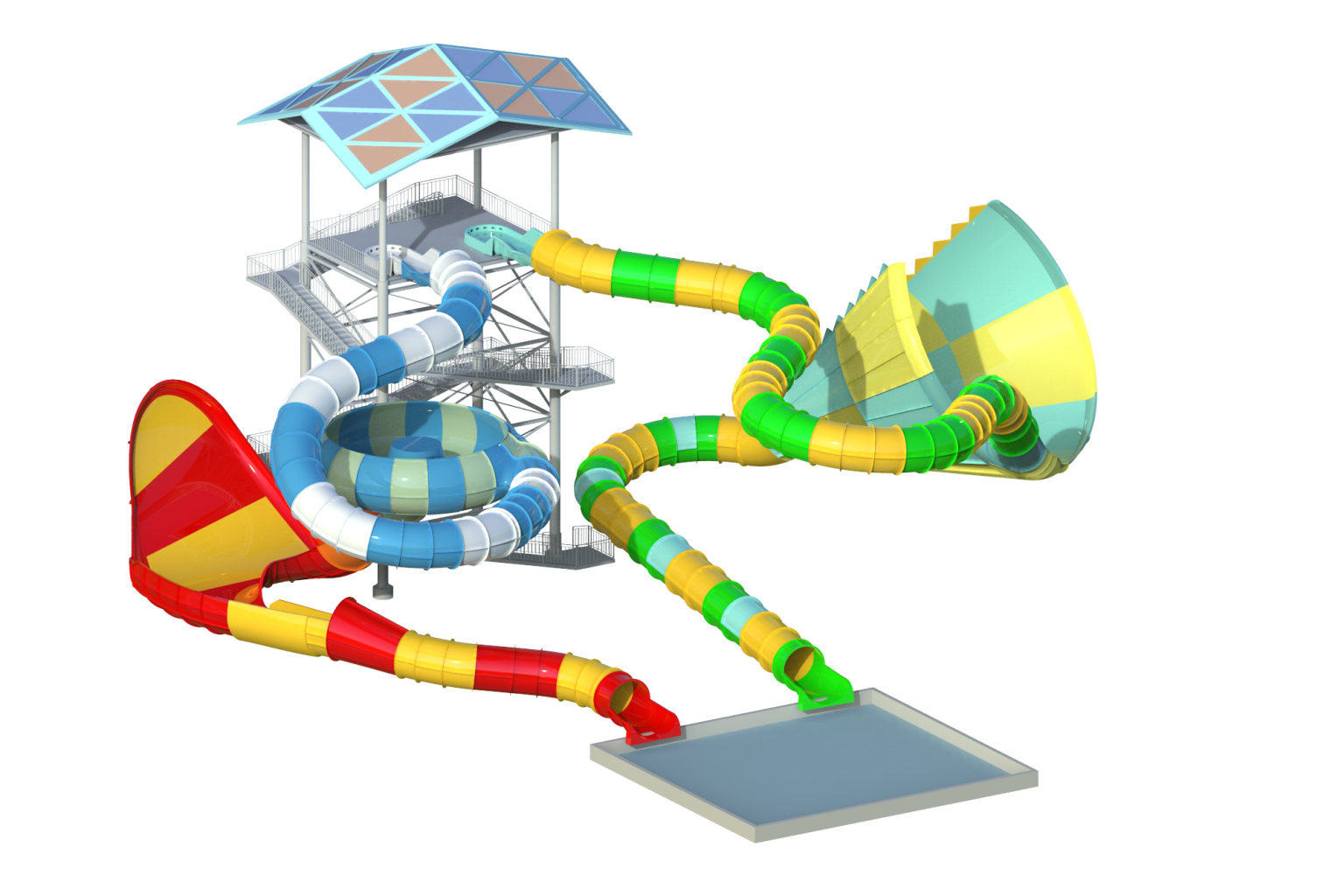
Parks that want guests coming back regularly are increasingly choosing custom solutions instead of generic attractions. A well-executed bespoke feature — like a signature rainbow water slide — becomes an identity piece that drives word-of-mouth and repeat visits. The comparison I’ll walk through looks at design flexibility, throughput, maintenance, and guest perception so operators can pick the approach that matches their strategy.
Custom engineered vs off-the-shelf: key differences
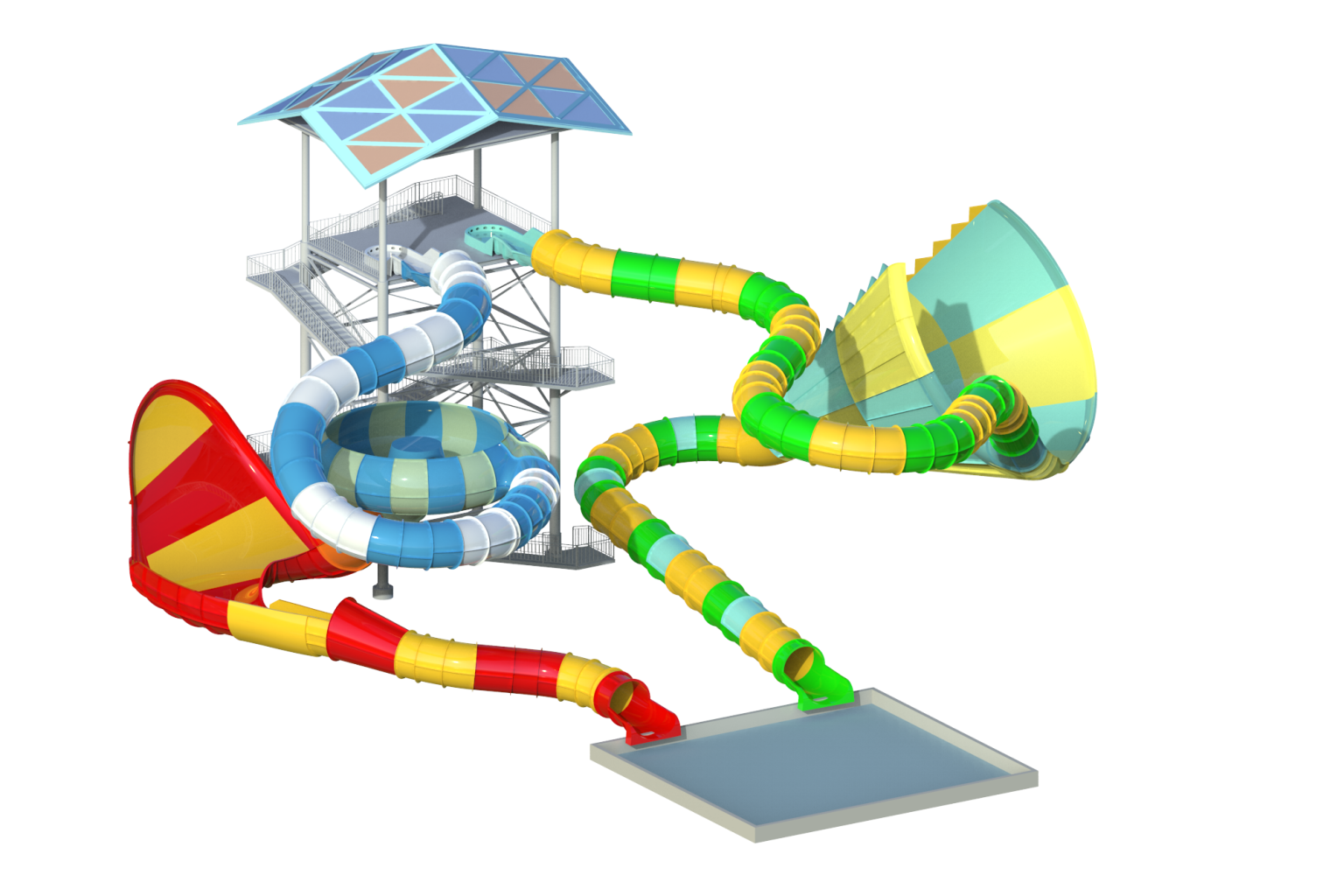
Custom projects let you set parameters: turn radius, launch height, and flow rate tailored to target age groups and operational goals. Off-the-shelf choices cut lead time and capex but often force compromises on thematic fit and throughput. In short: custom = optimized guest experience and higher initial cost; off-the-shelf = speed and lower upfront spend. For mid-size parks, that trade-off is usually the decisive factor for whether attendance will spike or plateau.
Design, manufacturing and the operational teardown
Breakdown of where costs and value actually appear during production: design engineering (hydraulics and rider kinetics), material choices (gelcoat and fiberglass-reinforced plastic), and factory fabrication tolerances. Parks should ask manufacturers for a production teardown showing cycle times, quality checkpoints, and testing parameters. That operational teardown should explicitly reference {main_keyword} and {variation_keyword} so procurement and ops teams can compare apples-to-apples. A tight tolerance on the gelcoat finish and consistent laminate schedule reduce long-term repair demand and keep rides open through peak months.
Installation, safety, and the role of the water slide factory
Installation is where design meets reality. A reputable water slide factory will supply modular sections sized for local cranes and provide on-site assembly guidance to minimize downtime. Properly documented load ratings, anchor details, and interface specs with filtration and pump systems cut commissioning time. Minor hiccups in handoff — like mismatched flange plates — can delay openings for weeks, so align tolerances and test assemblies at the factory when possible.
Guest experience and operational throughput
Throughput isn’t just a number; it’s how guests feel about queue times and perceived value. A slide engineered to hit a specific flow rate per hour reduces bottlenecks at popular attractions. Theme integration—lighting, splash footprints, and unique elements—makes the ride shareable on social media, which fuels organic returns. Real-world anchor: Universal’s Volcano Bay showed that a novel ride concept combined with capacity planning can shift attendance patterns significantly after launch — parks that get both engineering and operations right see measurable gains.
Common mistakes and alternatives to avoid
Frequently seen errors: underestimating maintenance bandwidth, ignoring lifeguard sightlines during layout, and picking materials that don’t hold up in local UV or salt-air conditions. Alternatives include semi-custom packages that let parks keep a standard mold but add theming or extra elements to raise distinctiveness. — Small design changes early cost far less than retrofits later, so prioritize flexibility in contracts.
Three golden rules for selecting slide strategies
1) Throughput alignment: verify projected riders per hour against peak-day ticket sales and queue flow modeling. 2) Lifecycle cost focus: compare initial capex to a ten-year maintenance forecast, including expected gelcoat touch-ups and spare module inventory. 3) Operational fit: ensure the manufacturer provides explicit assembly tolerances, test protocols, and a proven service plan for your climate. These metrics remove guesswork and surface risks before contracts are signed.
Final thoughts and where Dalang fits
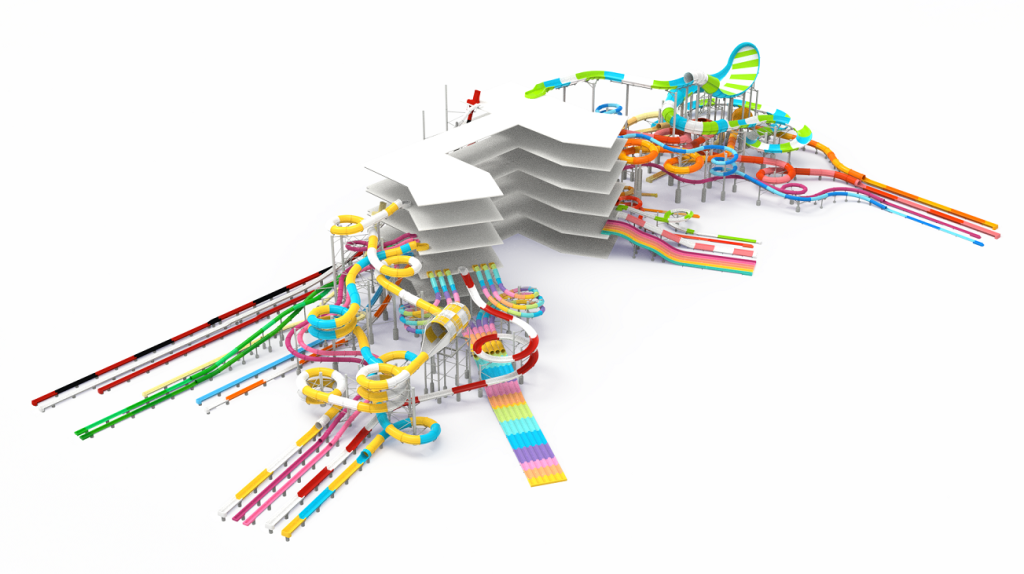
Custom engineered pieces win when parks want a memorable brand asset that scales attendance and supports consistent operations — but only with clear specs and factory-proven processes. Dalang brings that mix of engineering depth and production discipline to projects large and small, making them a logical partner when the goal is durable, repeatable guest appeal. Dalang — the partner that turns design intent into reliable, operable attractions.