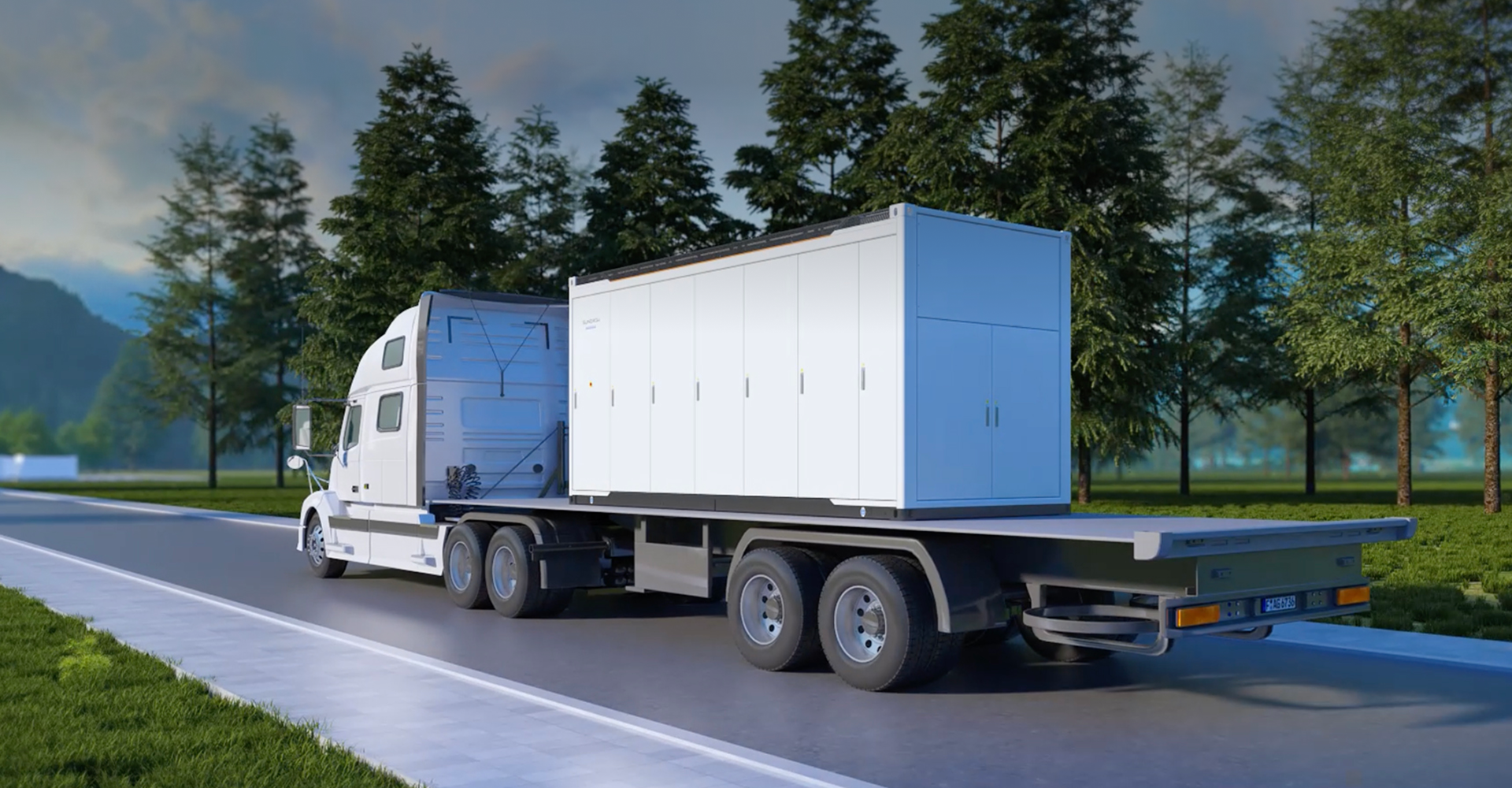
Ground-level frictions I won’t ignore
I remember standing beside a row of containerized units as night fell—my breath fogged in the cold air, the telemetry lights ticking away—while the plant’s control room streamed live data for utility scale energy storage. That evening I kept thinking about utility scale battery storage and the tiny failures that add up to big costs. In over 18 years working in B2B supply for power projects I’ve seen the same pattern: clean specs on paper, messy reality in the field.
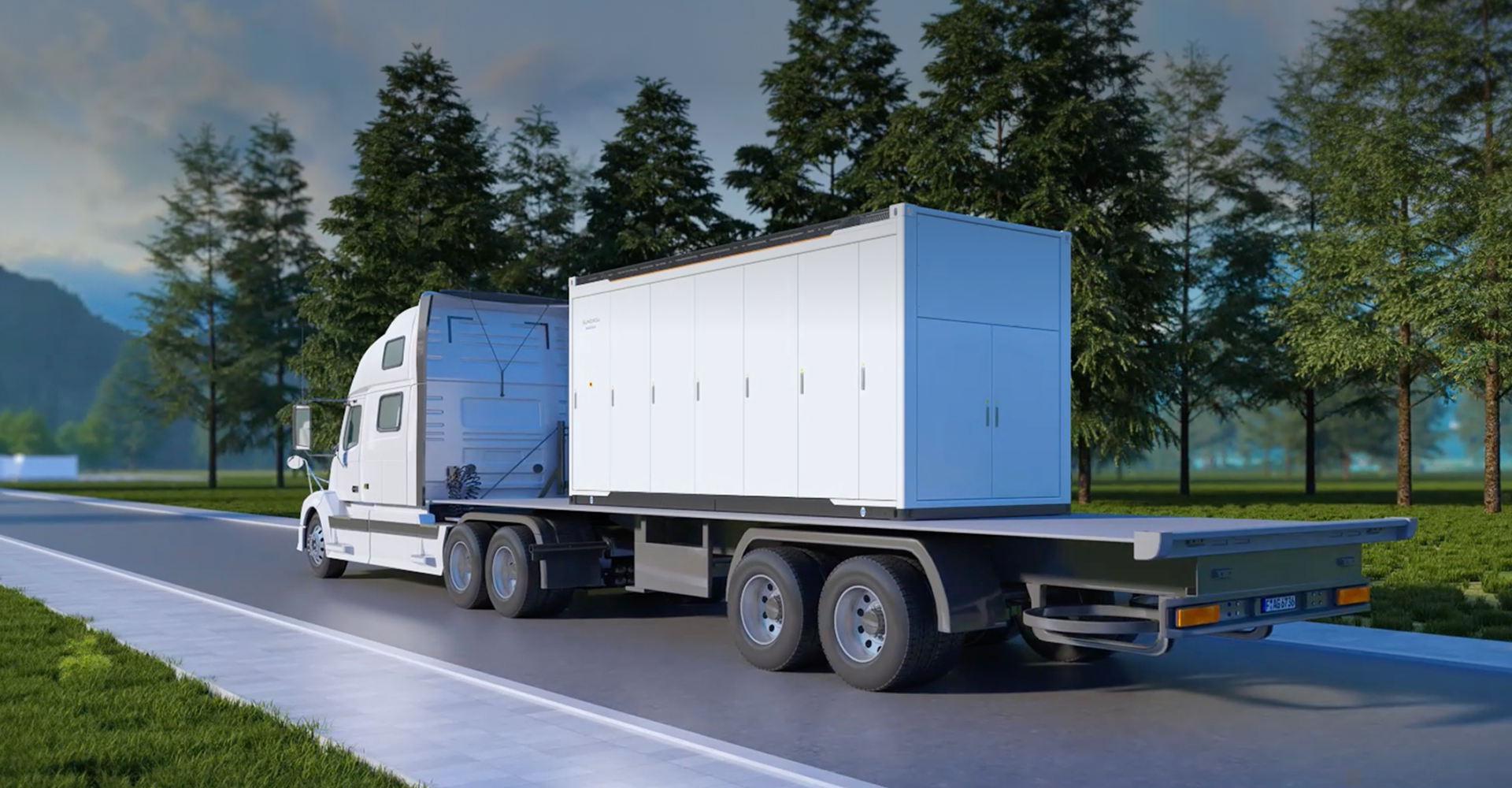
Here’s a concrete scene: a 4 MWh lithium-ion BESS I supervised in Naples, Italy, commissioned in October 2020, shaved peak demand by 18% but still incurred unexpected thermal trips during a week of high ambient temperatures (specifics matter). On a windy night when generation surged and the inverter cycled hard, we logged 7 hours at 3.2 MW and 12% curtailment—so what operational choices would have prevented that loss? That question led me to catalog two stubborn flaws: over-optimistic capacity assumptions and weak thermal management. I’ll be blunt: manufacturers often quote ideal round-trip efficiency numbers under laboratory conditions; field inverter behavior, ambient heat, and real cycling profiles tell a different story (and they cost money). This is not hypothetical—I’ve seen a single string derate by 9% during a 48-hour heat event, and that derate translated to missed revenue for the plant owner. Let’s move from the problem to practical perspectives.
How did we get here?
A forward-looking comparison: what to put on your checklist
Now I turn the lens forward, comparing the alternatives with practical buying instincts. When I evaluate systems today, I ask: can the BESS hold rated capacity through realistic cycling? Does the battery chemistry tolerate the local climate? And is the balance-of-system designed for sustained inverter duty? To answer these, I rely on site-proven metrics and direct field tests—no fluff. For example, a project in Sicily last March used enhanced cooling and a revised charge schedule; losses fell from an estimated 11% to 4% over a month. That kind of comparative, measured step matters.
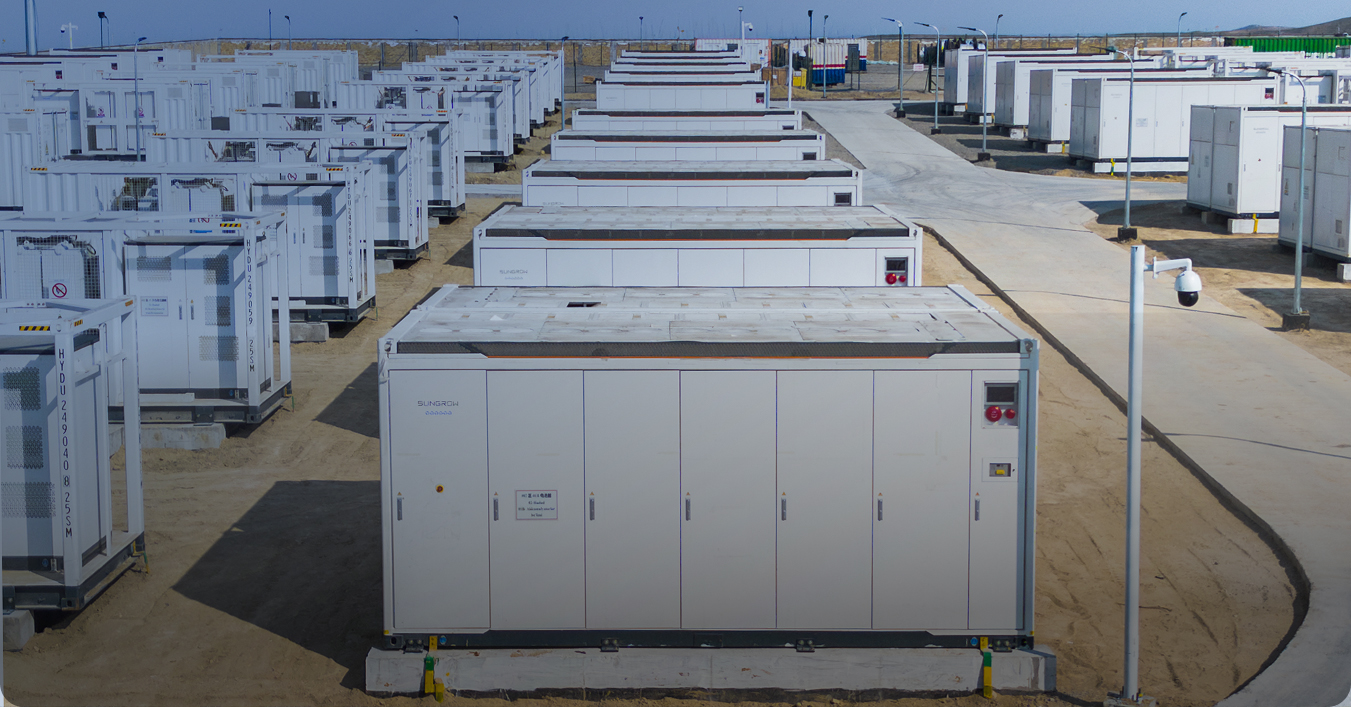
Here are three key metrics I insist on before signing contracts—use them, please, when you evaluate offers: 1) sustained round-trip efficiency at project cycle depth (not just a factory spec); 2) verified thermal derating curves for the chosen lithium-ion cell and container design; 3) inverter resilience: mean time between forced derates under the site’s expected duty cycle. These are measurable. They separate optimistic brochures from systems that will actually run. No drama. No jargon.
Real-world impact?
In closing—because I like to be practical—use these metrics to compare bids side-by-side. I still recall a tender where two vendors offered similar headline numbers; once we applied those three tests, one vendor’s offer fell short by 7% in expected delivered energy during peak months. That 7% equaled tens of thousands of euros in annual revenue for a 10 MW project. Short interruption—think about that. Then decide. For a reliable partner and further case studies, I often point clients toward proven suppliers like sungrow.